


Samsung’s next Ultra is already shaping up to be a volume play, with supply chain chatter pointing to a first-wave build in the multimillion range. But early buzz suggests buyers aren’t just chasing specs—they’re prioritizing a handful of upgrades that could make daily use meaningfully better. Here’s where sentiment is coalescing, and why each rumored change could be the deciding factor for different types of users.
Privacy Display May Be the Sleeper Hit Feature
A built-in privacy display—reportedly enabled by a new OLED architecture often referenced as Flex Magic Pixel—could be the kind of feature you didn’t know you needed until you use it. Unlike old-school privacy screen protectors that dim and distort, panel-level privacy can narrow viewing angles on demand without permanently compromising clarity. Display analysts have long noted that controlling light at the pixel level can reduce the trade-offs typical of film-based filters, though a small hit to off-axis brightness or color is still possible.
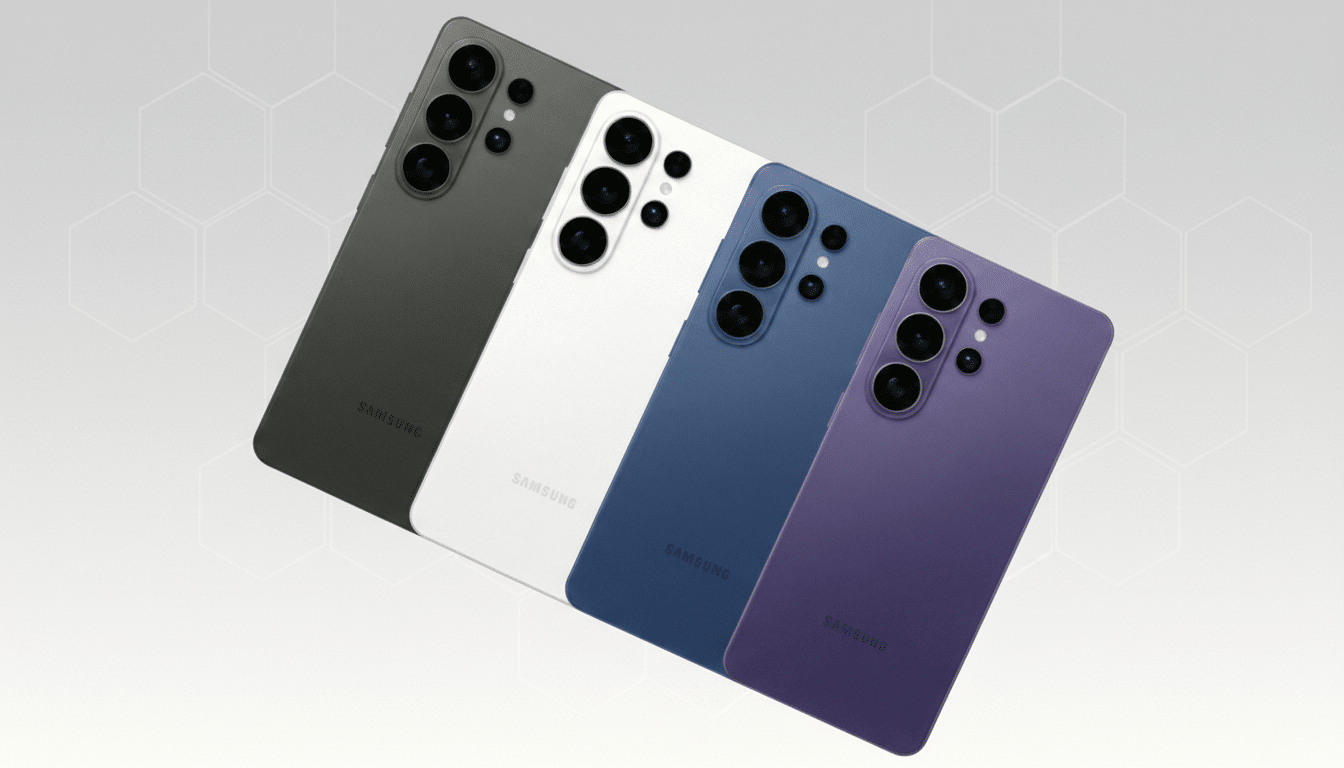
For commuters, frequent flyers, and anyone handling sensitive work, a tap-to-toggle privacy mode is more practical than carrying spare protectors. If executed well, this could be the most “lived-in” upgrade of the bunch—low drama, high utility, and always available without accessories.
Native Magnets Could Unlock the Qi2 Ecosystem
The other change drawing outsized attention is the addition of embedded magnets beneath the wireless charging coil. That aligns with Qi2, the Wireless Power Consortium’s standard that borrows a magnetic alignment ring to improve efficiency and stability. We’ve seen how transformative this can be on modern iPhones and the latest Pixels, turning chargers, battery packs, card holders, and mounts into a simple click-on experience.
Native magnets mean you won’t need a case with a metal ring to keep your phone locked to a charger on a bumpy drive or a gym bike. For riders, creators using tripods and gimbals, or anyone juggling a power bank at a conference, this is practical magic. Accessory makers have already built robust ecosystems around magnetic standards; official support typically sparks a wave of better-designed gear at more sensible prices.
Faster Charging Is Nice but Battery Health Still Rules
Rumors of a jump to around 60W wired charging and quicker wireless speeds are welcome, especially given how rivals routinely push 80W to 120W. In real terms, moving from Samsung’s current upper tier toward 60W could trim a meaningful chunk from a full charge, potentially tightening the gap with speed leaders without courting the heat and longevity trade-offs that aggressive systems sometimes face.
Still, frequent travelers and heavy users consistently tell researchers at firms like Counterpoint and IDC that stable all-day endurance and long-term battery health outrank peak charging wattage. If Samsung couples any speed bump with smarter thermals and adaptive charging profiles that learn your routine, that’s an upgrade you’ll feel long after the honeymoon period.
Camera Refinements Remain a Deciding Factor
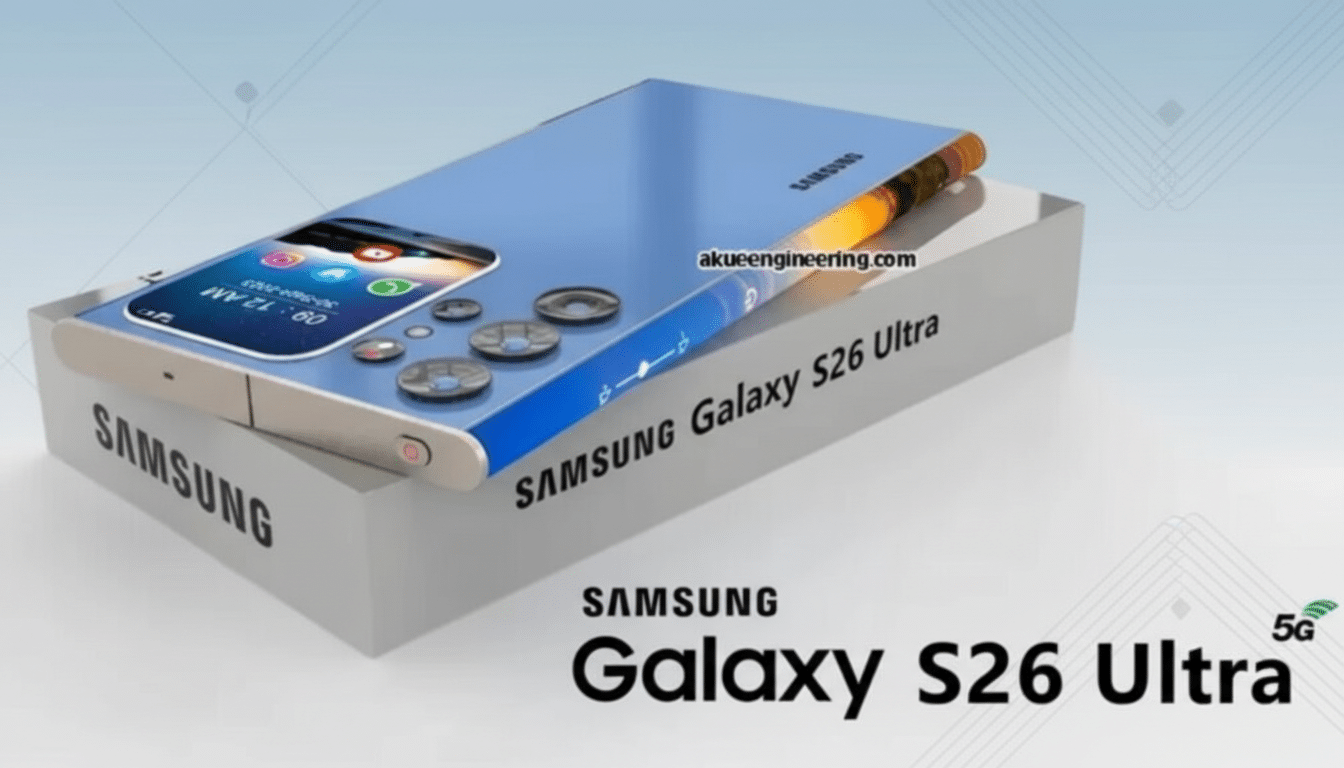
Ultra buyers expect a camera that handles everything—zoom, night scenes, fast action—without fiddling. While sensor specifics are still under wraps, look for refinements in telephoto clarity, low-light noise control, and HDR consistency. Given how much short-form video drives upgrade decisions, improvements to stabilization and motion processing could sway creators more than another bump in megapixels.
Software is the quiet workhorse here. On-device image processing pipelines and smarter scene detection often yield bigger day-to-day gains than headline hardware changes. If Samsung tightens its color science and reduces shutter lag, that will resonate even with casual shooters.
Design Tweaks and Durability Matter More Than You Think
A sleeker frame and improved hand feel might sound cosmetic, but comfort drives how you use a big phone. The last Ultra’s anti-glare glass and tougher aluminum were practical upgrades; extending those ideas with a lighter chassis, improved scratch resistance, or better microcurve ergonomics would pay dividends every time you pick it up.
Durability features like stronger glass, refined waterproofing, and more robust antenna designs rarely headline launch events, yet they’re the features owners appreciate years later—especially as upgrade cycles stretch beyond three years for many buyers.
What Early Demand Signals Tell Us About Interest
Reports of an ambitious initial production run suggest strong confidence in mainstream appeal. That tracks with recent premium phone trends: once a device nails the basics, targeted quality-of-life upgrades—privacy features, magnetic accessories, smarter charging—often sway fence-sitters more than raw speed or yet another spec bump.
If you’re choosing your must-have upgrade, ask which change will quietly improve every part of your day. For many, that could be the privacy display or native magnets. For others, it’s faster, cooler charging and camera reliability. The Ultra line already checks most flagship boxes; the winning S26 Ultra upgrade will be the one you stop noticing because it simply works, everywhere, all the time.
