


If you’re weary of robocalls and phone scams, Samsung’s next flagship might finally deliver meaningful relief. Clues in Google’s own apps and internal flags suggest the Galaxy S26 series is being readied to support an AI-driven Scam Detection feature previously limited to Pixel phones.
The evidence points to deeper integration with Google’s call protection stack and, crucially, on-device AI that can analyze calls in real time without sending audio to the cloud. If this ships, it would be the most significant anti-scam upgrade to reach a non-Pixel Android phone to date.
Evidence Points To Android CallCore Support
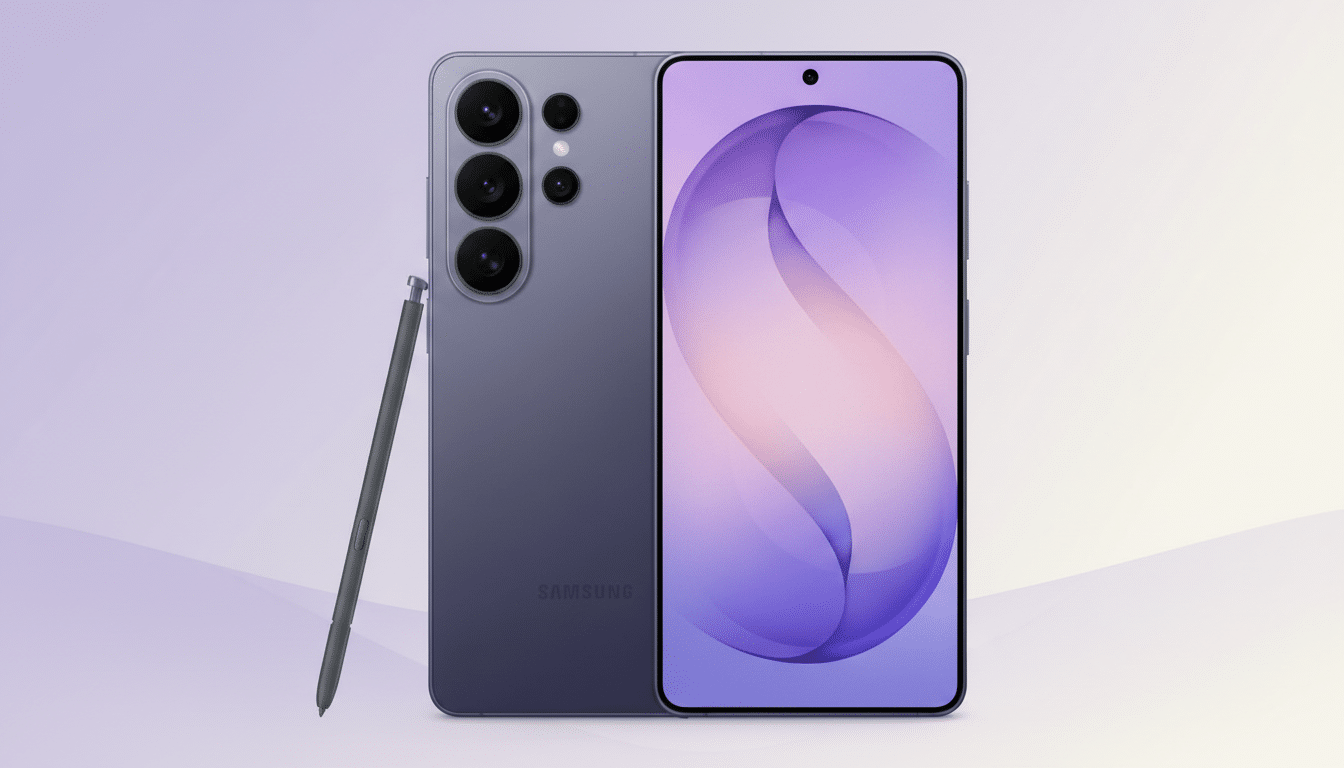
At the heart of this development is Android CallCore, the infrastructure app Google uses to power advanced calling features. The latest CallCore update adds the ability to identify scam calls, but it only installs on devices with a specific support flag. Logs tied to the Galaxy S26 Ultra indicate that same flag is present on Samsung’s hardware, a strong hint the feature is being enabled behind the scenes.
Separately, a recent teardown of the Phone by Google app referenced Galaxy S26 model identifiers alongside “Sharpie,” an internal codename linked to Scam Detection. On newer Pixels, the system runs via Gemini Nano through AI Core, performing on-device classification to spot telltale scam patterns. Those S26 references appeared alongside Pixel 9 and Pixel 10 codenames, implying Samsung’s implementation could use the same Gemini Nano pipeline rather than older machine learning models.
One independent Android researcher even demonstrated that manually applying the CallCore feature flag allowed installation to proceed on a rooted test device, though regional availability restrictions still blocked full functionality. That behavior aligns with a staged, device- and market-locked rollout—typical for features tied to telephony and regulatory compliance.
Why This Matters For Everyday Calls Today
Phone scams remain a persistent, expensive problem. The FTC reports Americans lost a record sum to fraud last year, with phone calls still a leading contact method for imposters. YouMail’s Robocall Index routinely tracks roughly 4–5 billion robocalls per month in the US, while Hiya’s State of the Call research finds large shares of unknown calls go unanswered because people assume they’re spam.
Carriers have made progress with STIR/SHAKEN caller ID authentication and network-level blocking, and Samsung already ships Smart Call for spam identification. But attackers adapt quickly, rotating numbers, spoofing legitimate caller IDs, and using scripts that pressure victims with urgent language about unpaid taxes, account lockouts, or prize wins. That’s where on-device AI can help: it can analyze context in real time and flag risky patterns even when the number itself looks clean.

How AI Scam Detection Likely Works On-Device
Based on how it operates on recent Pixels, Scam Detection listens locally for high-risk cues during active calls—phrases about wire transfers, gift cards, crypto payments, or urgent verification requests—then surfaces a clear warning to the user. Because it runs on-device via Gemini Nano or comparable models, audio need not leave the phone for analysis, which addresses privacy concerns and reduces latency.
This would complement, not replace, carrier shields such as T-Mobile Scam Shield, AT&T ActiveArmor, and Verizon Call Filter, along with Samsung’s existing Smart Call database checks. Think of it as a second line of defense: network and reputation systems stop known bad actors before the phone rings, while on-device AI evaluates the conversation in real time if a dubious call slips through.
What Samsung Users Should Expect From This Feature
If the feature lands on the Galaxy S26 family, expect an opt-in experience with clear prompts, country-by-country availability, and language support that rolls out over time. Real-time warnings should look similar to what Pixel owners see today, with the option to end the call, report it, or proceed.
There are caveats. Feature flags and code references do not guarantee a public release, and availability may be limited by local regulations or carrier partnerships at launch. Some regions could see a phased rollout, or rely on traditional on-device ML rather than Gemini Nano depending on hardware and compliance constraints.
The Bigger Picture For Android Security And Privacy
If Samsung adopts Google’s CallCore-driven Scam Detection, it signals a broader shift: Pixel-first safety features crossing into the wider Android ecosystem. That’s meaningful for market coverage given Samsung’s global share, and it could push more uniform, OS-level defenses against fraud—especially as models like Gemini Nano make advanced protections viable entirely on-device.
For users, the takeaway is simple. If you’re considering an upgrade and you get a lot of suspicious calls, the Galaxy S26 is shaping up to be a stronger shield against phone scams. It won’t end the robocall problem by itself, but pairing carrier protections with on-device AI could cut through a big chunk of the noise—before it costs you time or money.
