


Fresh renders have given the clearest look yet at Samsung’s next mainstream crowd-pleaser, the Galaxy A57, signaling a careful evolution of the company’s most important midrange line. The images show a clean, flat aesthetic and the return of Samsung’s distinctive “key island” on the right edge, hinting at a familiar design language with some polished touches.
New Renders Spotlight Galaxy A57’s Refined Design
The latest visuals, shared by Android Headlines, depict the Galaxy A57 in black with a flat display framed by symmetrical bezels and a centered punch-hole selfie camera. Around back, three separate camera rings stack vertically—mirroring Samsung’s minimalist approach across its lineup—while the raised “island” houses both the power and volume keys for a subtle ergonomic cue.
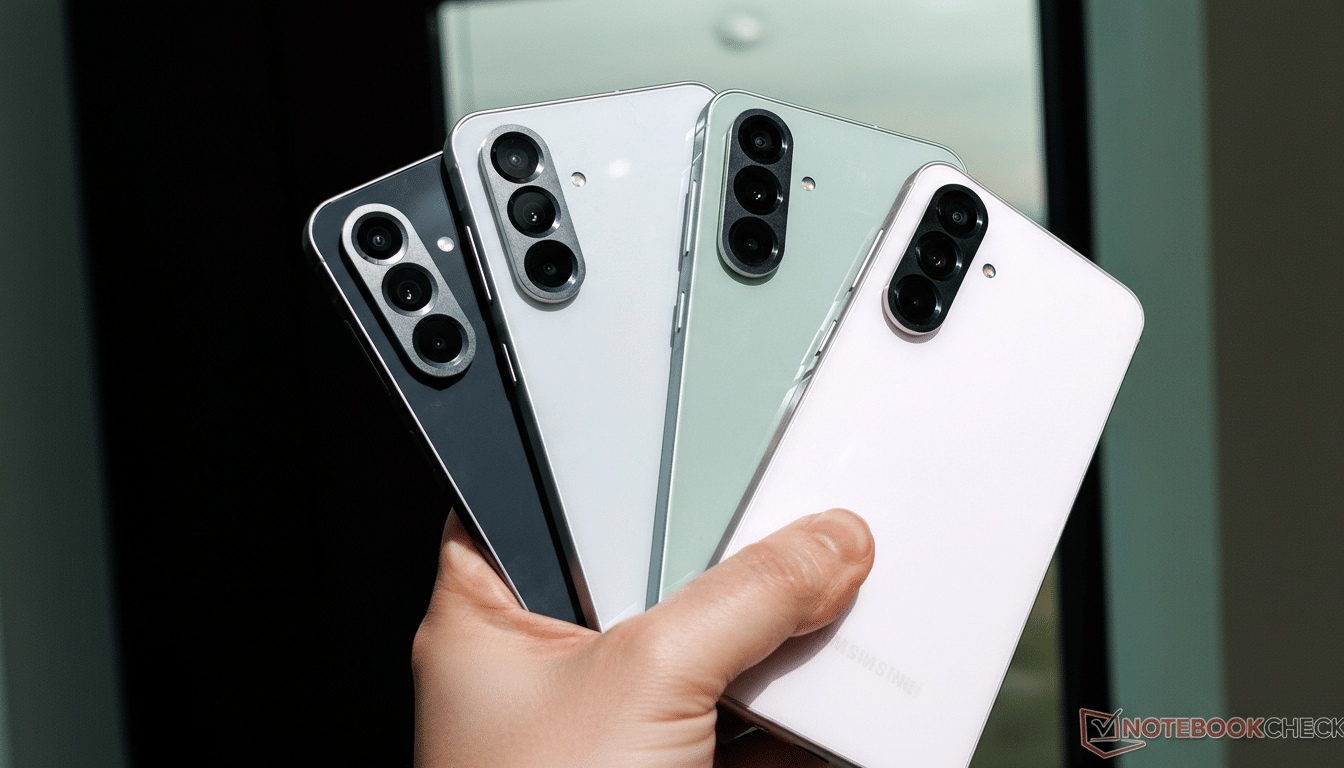
It’s a design that tracks closely with recent A-series phones, but the details matter: the slab-like silhouette gives the device a more premium stance in hand, and the reduced visual clutter around the camera array keeps it looking modern. A previous appearance in China’s TENAA database also showed a purple option, suggesting Samsung will again lean into colorways that skew beyond basic black.
Certification Listing Hints at Galaxy A57 Core Specs
A TENAA listing points to an eight-core chipset peaking at 2.9GHz, widely interpreted in the supply chain as a candidate for the Exynos 1680. The document outlines 8GB and 12GB RAM options, 256GB of storage, and a camera trio comprising a 50MP main sensor, a 12MP ultrawide, and a 5MP macro. The rated 4,905mAh battery almost certainly translates to a 5,000mAh typical capacity—par for the course in this segment and a proven sweet spot for all-day endurance.
These specs align closely with the A-series brief: meaningful main-camera hardware, a practical ultrawide, and a macro for occasional close-ups. Expect optical image stabilization on the primary shooter to return, as it has become a cornerstone feature that separates Samsung’s midrange phones from bargain-basement rivals.
Performance and Features to Expect from Galaxy A57
If the silicon does land as an Exynos 1680, the focus will likely be efficient performance and improved AI-accelerated tasks rather than headline-grabbing speed. Samsung’s recent midrange chips have emphasized balanced thermals and steady gaming frame rates over short-lived bursts. Pair that with a 120Hz AMOLED—an A-series staple at this tier—and you’re looking at a phone that feels fluid in daily use without chasing spec-sheet bragging rights.
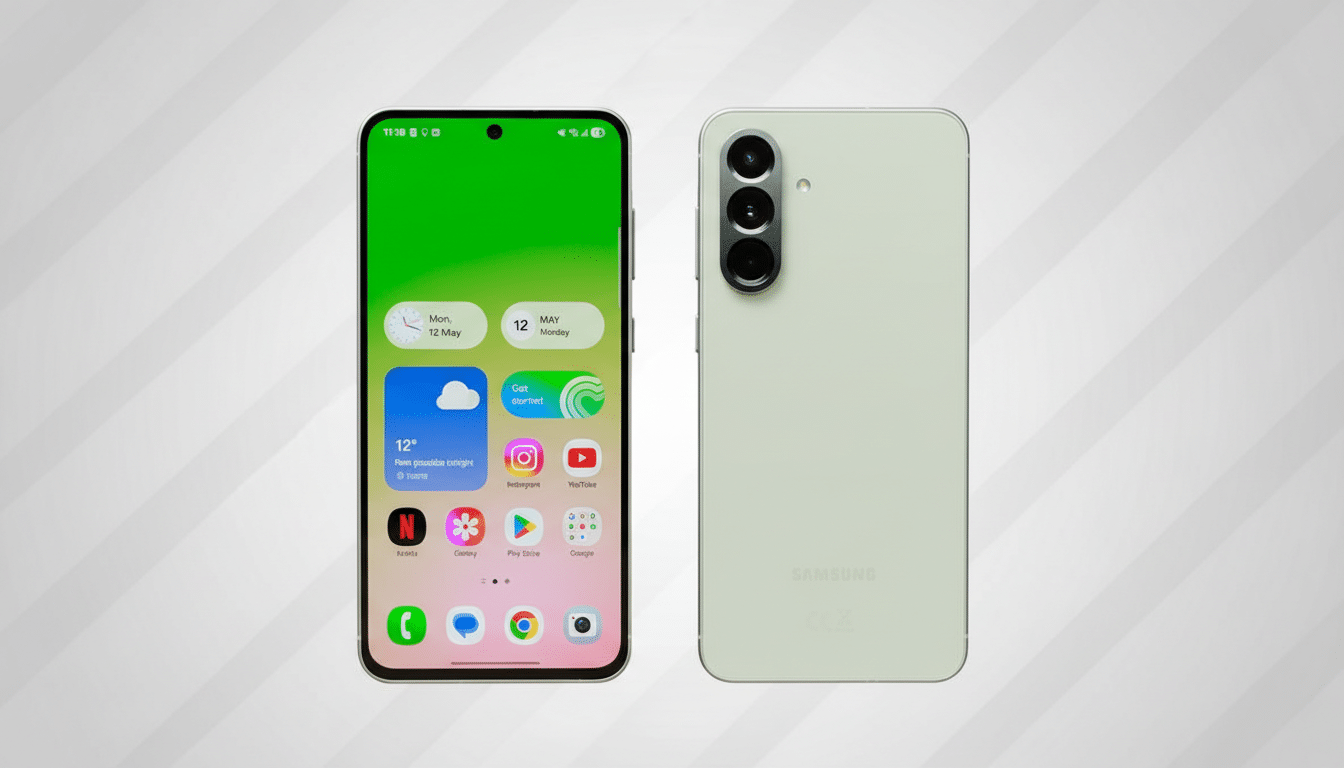
Build quality is another area to watch. Recent A-series models have stepped up materials and durability, with water resistance and tougher glass becoming more common. While final details aren’t official, it would be surprising if the A57 didn’t maintain IP-rated protection and long-term software support, two pillars that have turned Samsung’s midrange devices into safe recommendations.
Why the Galaxy A57’s Midrange Refresh Matters Now
Samsung’s A-series is the backbone of its smartphone business. Analyst firms including IDC and Counterpoint Research have repeatedly shown A-branded devices filling top-seller charts and accounting for a large share of the company’s shipments—often hovering around the 50% mark or more in several quarters. That scale gives the A57 outsized importance: even minor design or feature shifts can ripple through a massive user base across carriers and retail channels.
Competition is intense. Google’s Pixel A-series pushes computational photography and long software support, while OnePlus and Motorola undercut on price with fast charging and big batteries. Samsung’s counter has been consistency: dependable cameras, bright OLED screens, and a software roadmap users can trust. The A57, based on these renders and certifications, looks set to double down on that formula rather than reinvent it.
What to Watch Next for Samsung’s Galaxy A57 Launch
The A57 is expected to follow Samsung’s flagship cycle, arriving after the company’s next premium Galaxy S line takes the spotlight. Keep an eye on three details at launch:
- Whether Samsung confirms an Exynos 1680 with notable efficiency gains
- If the camera stack adds upgraded sensors or improved OIS
- How aggressive the company gets on software longevity for this tier
Pricing, as always, will determine how it stacks up against value-heavy rivals, but on early evidence, Samsung’s next mid-ranger already looks dialed in for mainstream success.
