


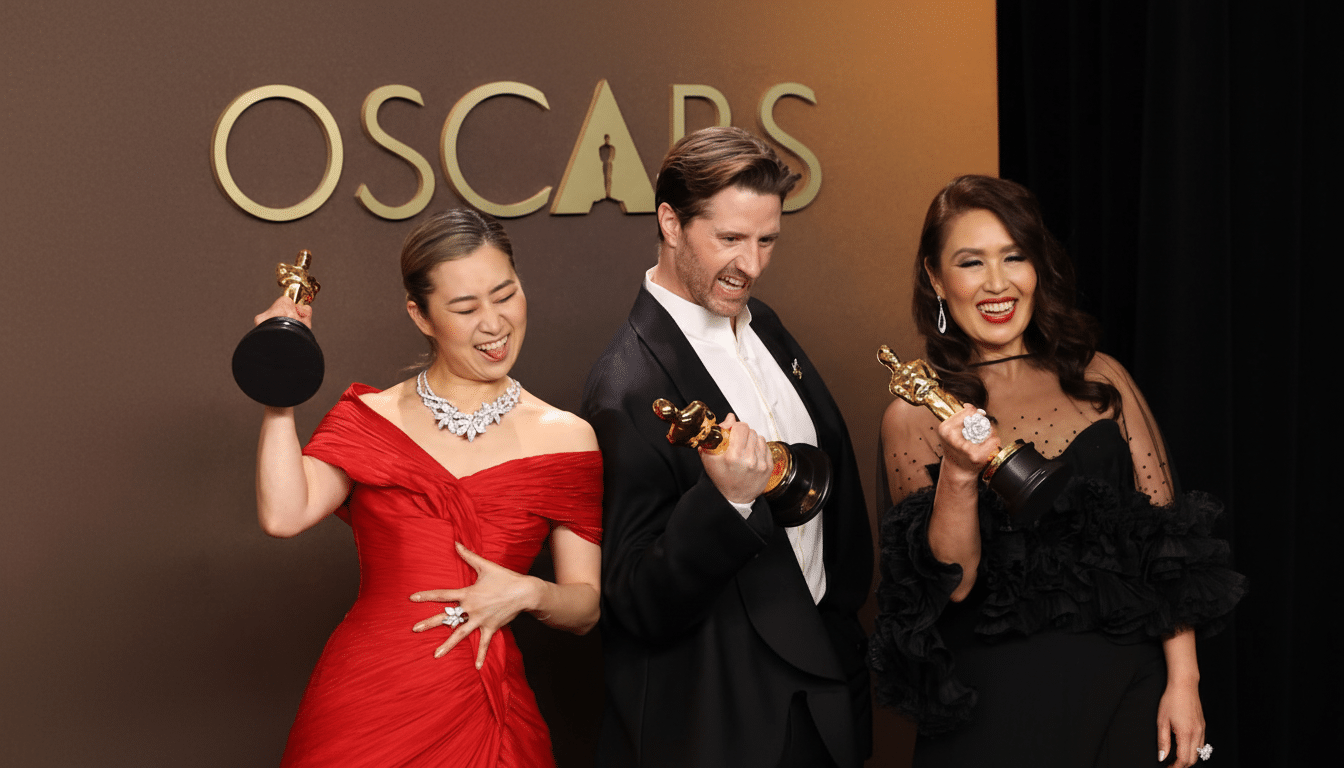
Netflix added new hardware to its mantle as Guillermo del Toro’s Frankenstein captured three Oscars and animated breakout KPop Demon Hunters secured two, underscoring how the streamer’s mix of auteur-driven craft and pop-forward animation is resonating with Academy voters.
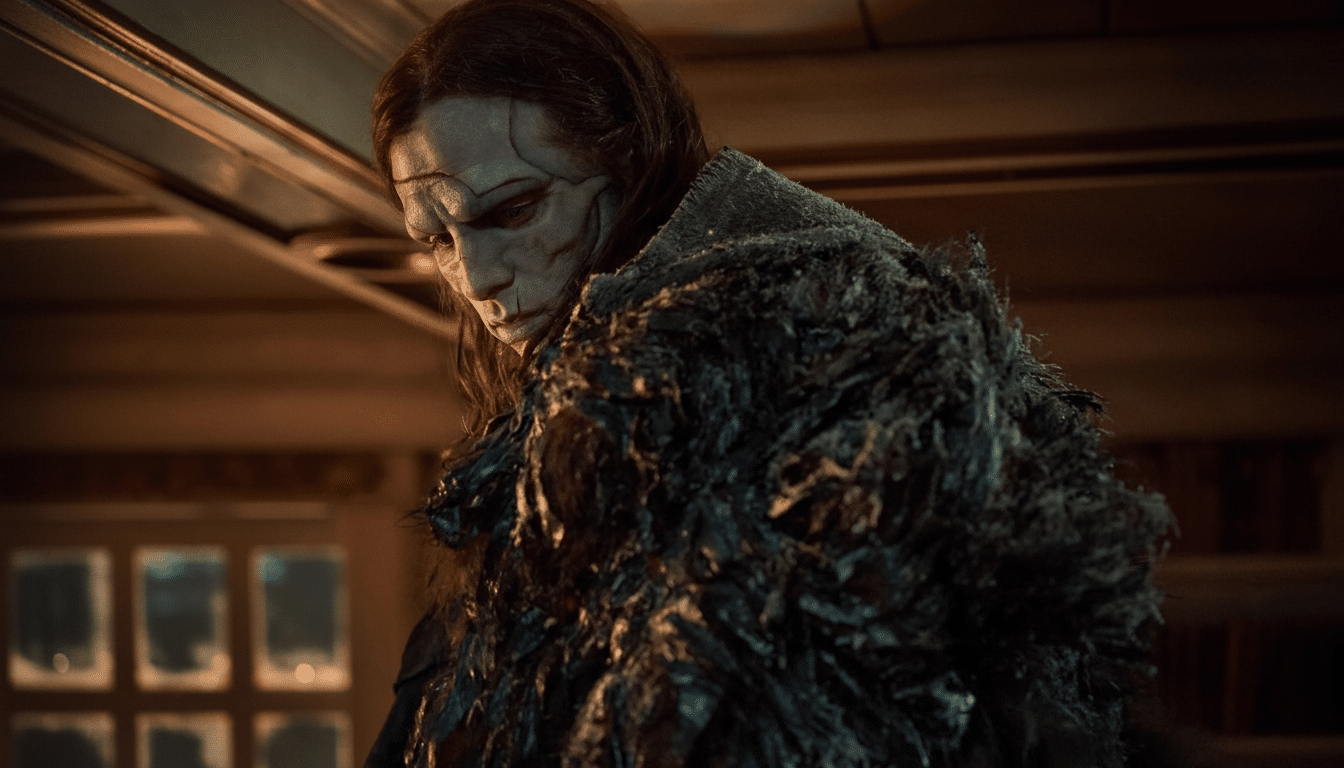
Frankenstein prevailed in Best Production Design, Best Costume Design, and Best Makeup and Hairstyling, a sweep that signals industry respect for the film’s tactile world-building and period detail. KPop Demon Hunters, described by the company as its most-watched movie to date, won Best Animated Feature and Best Original Song, converting global fandom into awards momentum.
Craft Wins Elevate Guillermo del Toro’s Vision
del Toro’s reinterpretation of Mary Shelley’s classic leaned into practical textures, gothic architecture, and character-driven design choices. Those elements tend to perform well with Academy artisans, and the triple win echoed the filmmaker’s past success shepherding ambitious craft teams on The Shape of Water, which captured Best Picture and Best Director, and Guillermo del Toro’s Pinocchio, which won Animated Feature.
Frankenstein entered the night with nine nominations, including Best Picture and Best Supporting Actor, reflecting broad branch support beyond the below-the-line categories. The recognition aligns with how the Academy of Motion Picture Arts and Sciences has increasingly rewarded immersive design work that deepens storytelling—not just surface spectacle.
The mood in the room suggested Hollywood is comfortable with streamers at the party. Host Conan O’Brien even ribbed Netflix leadership, joking that for co-CEO Ted Sarandos the ceremony almost felt like a first night back in a theater—a wink at the industry’s evolving distribution norms.
KPop Demon Hunters Extends Netflix’s Animation Strategy
Winning Best Animated Feature and Best Original Song places KPop Demon Hunters in rare company and highlights the Academy’s growing receptivity to music-driven animation. The triumph in Original Song—an area often dominated by theatrical tentpoles—suggests the film’s soundtrack broke through with voters much as past cultural touchstones like Let It Go and Remember Me did in prior years.
Netflix has steadily invested in animation that travels across borders, pairing stylized visuals with global pop culture. If, as Netflix contends, KPop Demon Hunters is its most-viewed film ever, these wins provide a useful case study: when a project captures streaming scale and cultural conversation, it can also convert with Academy branches that historically favor theatrical campaigns.
Streamers’ Oscar Footprint Keeps Growing
Streaming-backed films have been a staple at the Oscars for several cycles. Roma earned significant wins for Alfonso Cuarón, The Power of the Dog delivered Best Director for Jane Campion, and All Quiet on the Western Front amassed multiple craft awards including International Feature. Still, Best Picture has largely eluded streamers; Apple’s CODA remains the lone streaming release to clinch the top prize.
This year, Netflix fielded a deep slate, with Frankenstein and Train Dreams in the Best Picture conversation. Apple’s F1 also cracked the lineup and claimed Best Sound, reinforcing how platforms are contesting both prestige and technical categories. Awards watchers widely framed Best Picture as a tight contest between One Battle After Another and Sinners, a reminder that legacy studios and specialty labels still exert gravitational pull in the final vote.
The Academy’s insistence on theatrical-qualifying runs pushed streamers to adopt limited theatrical playbooks in key markets, a strategy that has matured since the pandemic. According to Nielsen’s recent viewing reports, streaming hovers near 40% of U.S. TV usage, giving platforms a vast awareness engine that, when paired with targeted theatrical showings, can sustain Oscar campaigns over months.
Why These Wins Matter for Netflix’s Awards Strategy
For Netflix, the haul from Frankenstein and KPop Demon Hunters is more than bragging rights. Craft awards validate the platform’s ability to marshal top-tier department heads—production designers, costume teams, and makeup artists—who traditionally built their reputations on studio backlots. Those wins help with talent recruitment and strengthen pitches to filmmakers who want both creative latitude and world-class resources.
The music win deepens Netflix’s footprint in a category with strong halo effects. Original songs can turbocharge streaming soundtracks, drive social clips, and extend a film’s lifespan well beyond its initial release window. That flywheel—viewership feeding discoverability, which feeds awards attention—has become a core competitive advantage in a landscape where cultural impact often matters as much as opening-weekend grosses.
Bottom line: Frankenstein’s craft sweep and KPop Demon Hunters’ dual victories mark a significant night for Netflix at the Oscars. While the highest honor remains a tougher climb, the company’s blend of auteur cinema and globally resonant animation is clearly connecting with voters—and reshaping the awards map in the process.

