


Framework hiked prices on its DDR5 memory, once more, bringing the cost up to around $10 per gigabyte for parts spanning much of its lineup as supply constraints continue to roil the market. The company said it is either closely aligning retail prices with what it now pays suppliers or it is offsetting some of the rise to help take the bite out for customers.
The per-GB increases directly translate into concrete differences for buyers. Industry watchers post examples of these increases, which include 8GB laptop SODIMMs going from roughly $60 to around $80, 16GB jumping from about $120 to just over a Benjamin and a half, and 32GB leaping from about $240 to as much as $320. The markup really kicks in at higher densities: A 48GB module that would have easily cost in the realm of $240 for midyear listings is now posting up around $620, or significantly more than $12 per gig.
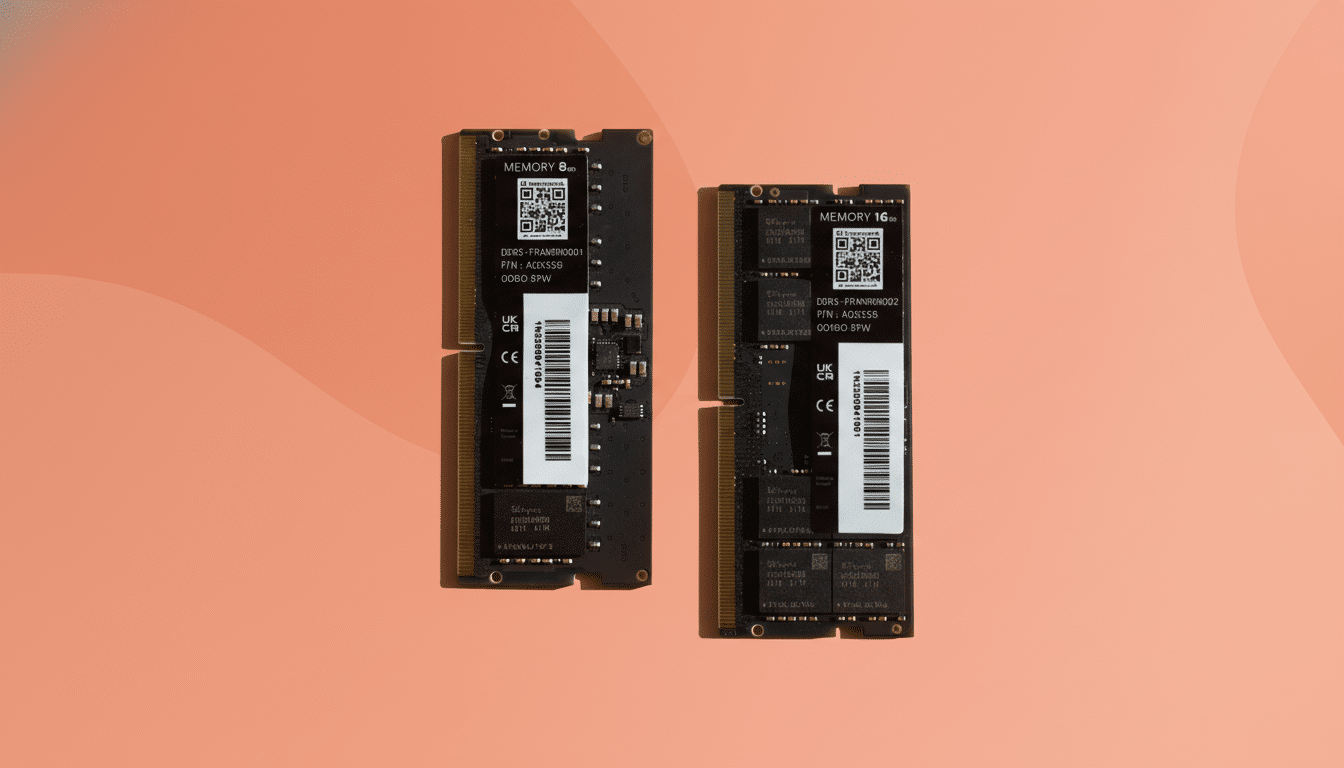
Framework presented the move as a reaction to extreme memory supply imbalance, adding that it anticipates more volatility and potential changes down the line as the upstream cost situation remains in flux.
What Changed In Framework’s Store Pricing
The company has more-or-less settled on pricing based around a per-GB dynamic for mainstream capacities, with larger modules costing even more as limited availability and tighter binning demands keep prices elevated. That pattern mirrors industry trends: higher-density DDR5 sticks lean on newer and pricier DRAM dies, and tend to be the first to fall victim to shortages.
News of the new sticker prices, and how much they jump in some everyday configurations, was reported by The Verge. Framework, best known for its modular laptops and user-upgradeable devices, is being weirdly upfront with the economics of its components at retail, telling customers that its retail price adjustments follow suppliers’ bills more closely than in the past.
AI Demand Is Squeezing the Supply of DRAM
That’s the backdrop of a worldwide memory shortage driven by the buildout of AI. Server vendors and cloud providers are snatching up High Bandwidth Memory (HBM) for accelerators, and this demand is redirecting wafer capacity among the big three DRAM suppliers – Samsung, SK hynix, and Micron. And as more lines cut over to HBM or high-margin server products, fewer commodity DDR5 chips end up in the PC channel.
Analysts with TrendForce and IDC have observed a stretch of double-digit DRAM contract price hikes as inventories cleared out and orders driven by AI flowed in. Samsung is said to have signaled large hikes in some memory categories to its partners, with component buyers across the PC ecosystem expecting tightness as an ongoing concern. In other words, it’s the orders that are pouring into the highest-margin segments today, leaving mainstream laptop memory supply short and expensive.
On top of that, the balance is tipped by a technical shift: DDR5 includes on-die ECC and power management ICs, which increases complexity and costs as compared to DDR4 before the shortages. When supply becomes tighter, those structural costs magnify the retail shock.
Price Shock for Consumers and OEMs Explained
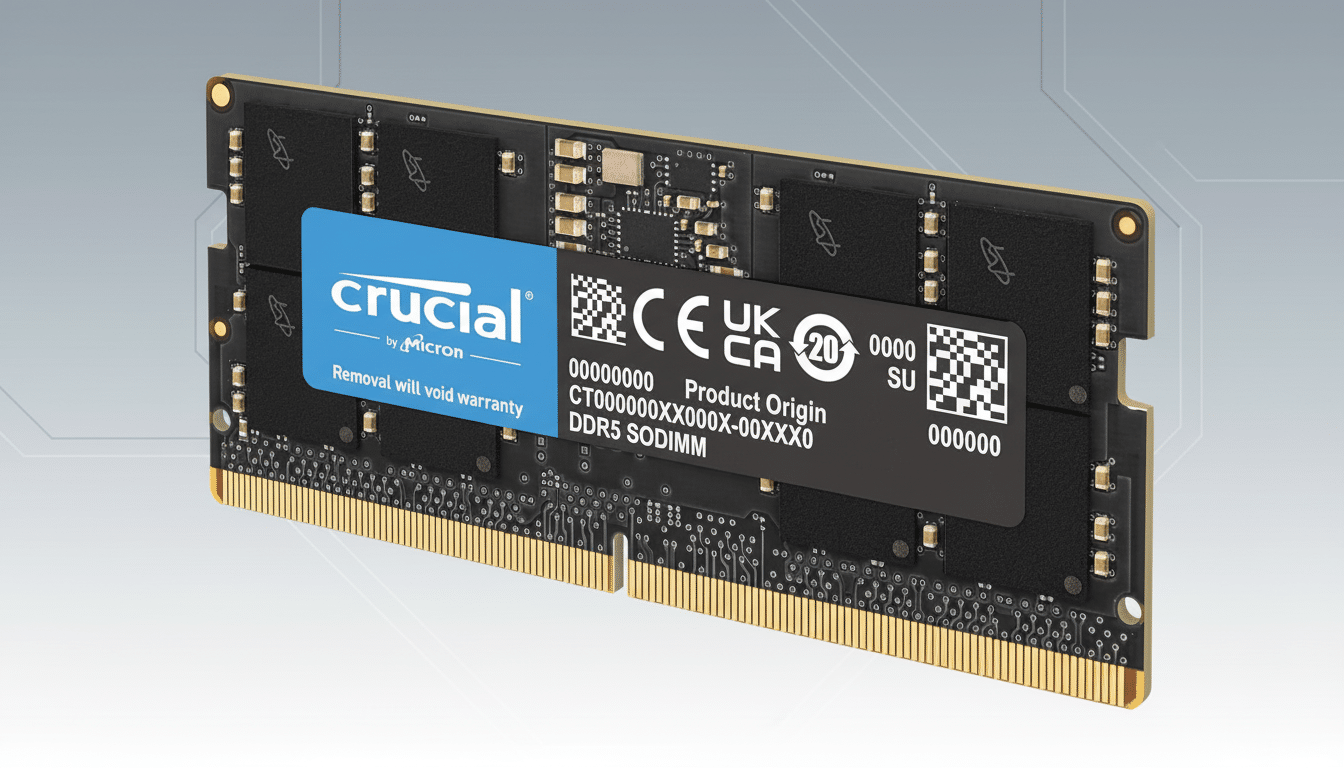
The clear immediate losers are those DIY upgraders out there and OEMs looking to build thin-and-light laptops where 16GB and 32GB may become the norm. Top PC brands, including Lenovo, Dell, and HP, have issued warnings suggesting component costs are on the rise – at least some of which will be passed on to end users through products. Soldered memory systems avoid modular markup at checkout, but they bake the higher DRAM cost into their bill of materials.
To put it in context, retail DDR5 was comfortably underneath $5 a GB during the last supply glut, and people got used to seeing cheap 16GB and 32GB kits. The whipsaw down to the ~$10/GB range is a stark reminder that this is an industry that is still very cyclical, and very driven by just a few suppliers’ capex decisions.
What Buyers Can Do Right Now to Mitigate Costs
If you go with a Framework configuration, lock in the capacities you’ll need for the life of the device rather than counting on a budget upgrade down the line. All this is in the interest of performance, but dual-channel pairing—two matched modules—is still more important than chasing ultrahigh memory frequencies on laptop SODIMMs, given power and thermal constraints.
Shoppers can also shop Framework’s modules against established third-party DDR5 SODIMMs, but the shortage is industry-wide and OEM-validated parts minimize the chances of having compatibility headaches. Look out for a good bundle deal or certified refurbs to soften the blow, and be cautious of gray-market listings serving that undercut at the expense of using lower-binned or mismatched ICs.
Outlook and What to Watch in the Coming Months
Framework says supplier guidance suggests near-term cost pressure to persist, and the company warns there may still be additional changes. The largest risk is if DRAM manufacturers ramp up output for commodity DDR5 quicker than AI-related demand soaks it up. With HBM ramps remaining aggressive and wafer starts remaining tight, prices will continue to be high.
For now, the message is that memory is no longer a bargain. Framework’s switch to a per-GB model makes for a ham-fisted, straightforward mirror of upstream realities that doubles as yet another reminder that the AI boom features come plopped atop even the most mundane parts scooped up when gutting stock inside any ol’ laptop.
