


Smart glasses finally feel like they are earning a place on your face. On the CES show floor, the best new models focused on what matters at eye level: crisper visuals for games and movies, wider canvases for getting work done, and AI that listens, translates, and captions without fuss. While Google’s Android XR platform looms as a potential unifier for the category, the most compelling glasses today are already delivering practical wins for entertainment, productivity, and accessibility.
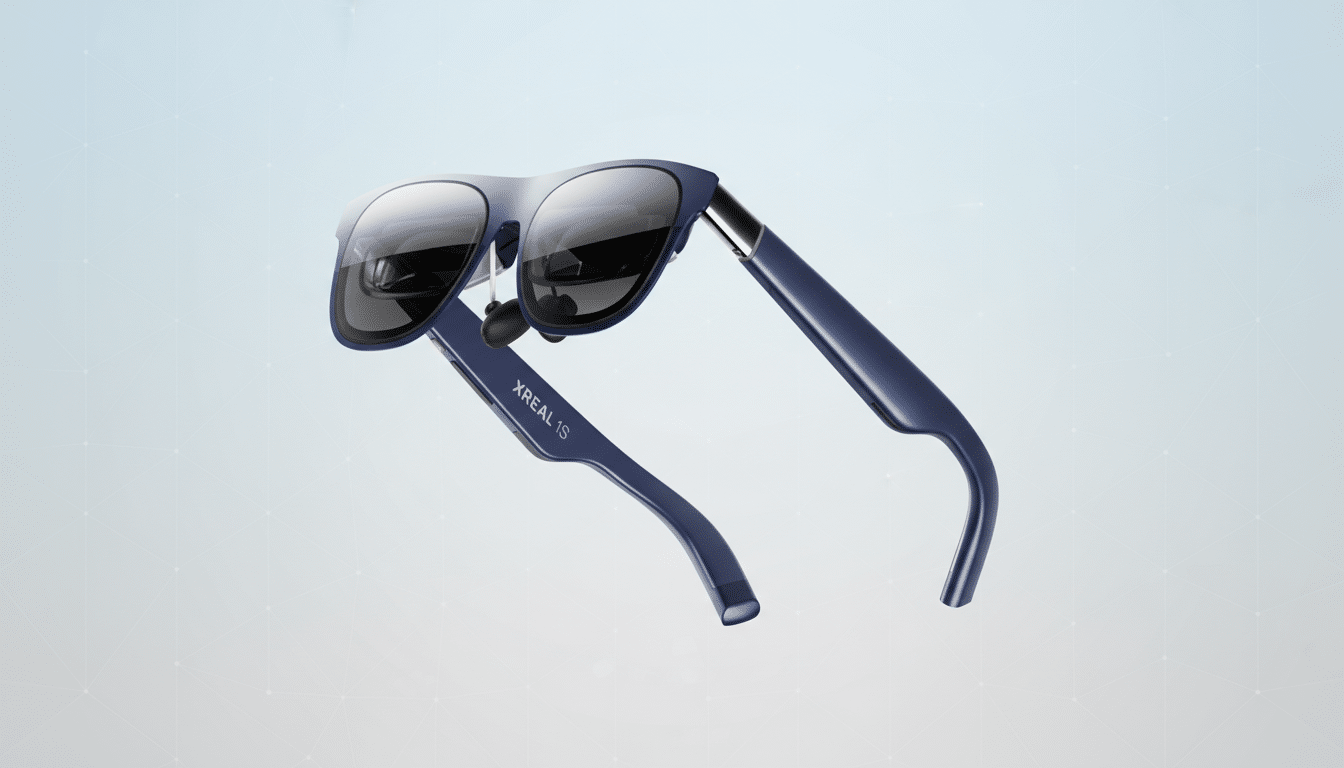
XReal 1S Turns Everyday Content Into Real 3D
XReal’s 1S lands a clever trick called Real 3D, converting standard 2D inputs into stereoscopic depth that pops in games and video. The effect is more than a gimmick; depth cues make aiming, platforming, and cinematic vistas feel surprisingly natural. The 1S also borrows a productivity power-up from the company’s higher-end line: an ultrawide 32:9 mode that functions like a portable panoramic monitor. Early units showed occasional frame rate dips and flicker in 3D, but those wrinkles looked like software polish rather than a hardware ceiling. At $449, it undercuts many head-mounted displays while remaining light enough for extended sessions.
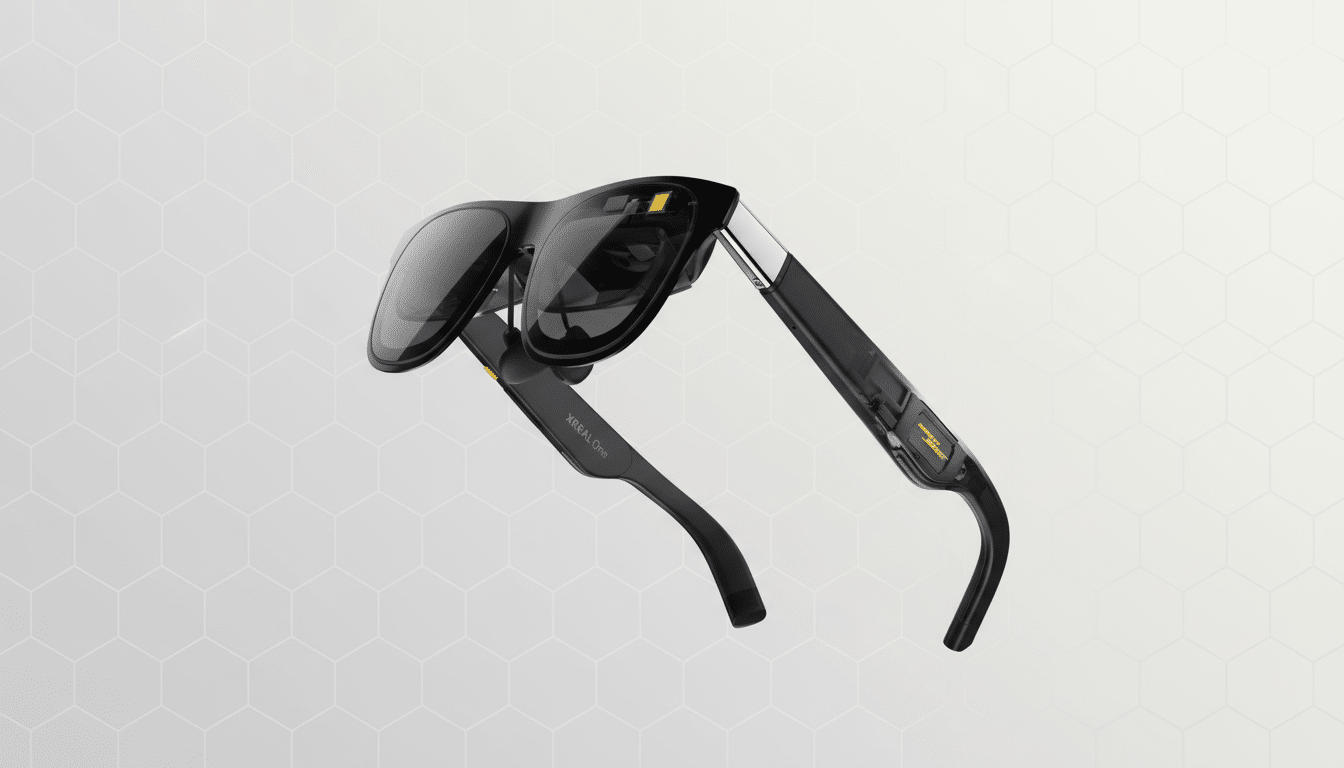
ROG XReal R1 Prioritizes Speed With 240Hz Panels
Co-developed with Asus’s Republic of Gamers brand, the ROG XReal R1 chases smoothness with a blistering 240Hz refresh rate. High refresh reduces perceived blur and input latency, an advantage esports players have long exploited on desktop monitors. Built-in head tracking adds a subtle layer of immersion for cockpit views and cinematic panning. The trade-offs are clear: no Real 3D mode and no ultrawide workspace. But for pure motion clarity, the R1 stands out—right down to the unapologetic RGB accents that telegraph its gaming pedigree.
RayNeo Air 4 Makes HDR10 Portable at $299
RayNeo’s Air 4 brings HDR10 to glasses, widening the dynamic range so bright specular highlights and inky shadows can coexist without crushing detail. If you stream a lot of movies or play HDR-capable games, the difference is immediately visible in contrast, color volume, and midtone nuance. The display specs otherwise mirror the brand’s well-liked Air 3s Pro, but the price sticks at a remarkably approachable $299. With many mainstream services mastering content in HDR10, the Air 4’s format support feels pragmatic rather than niche.
Xgimi MemoMind Routes AI Smarts to the Right Model
Known for projectors, Xgimi steps into wearables with the MemoMind lineup, leaning into AI assistance rather than raw display theatrics. The Memo One offers a binocular green waveguide display for glanceable prompts, while the Memo Air Display opts for a monocular readout in a featherweight frame that clocks in at 1.02 ounces. Under the hood, a hybrid multi-LLM approach routes your request to models from OpenAI, Azure, or Qwen based on the task—one model for conversational summaries, another for code or translation. That kind of model orchestration is a growing best practice cited by AI research groups for balancing accuracy and latency, and it makes more sense in eyewear than a single, monolithic assistant.
A third audio-first MemoMind variant is slated to arrive without a display for those who want ambient coaching or note-taking without a screen. The throughline across the family is style and comfort—they look like eyewear, not lab gear—an underrated factor in mainstream adoption.
Captify Pro Elevates Live Captions and Translation
Many smart glasses dabble in captioning, but Captify’s latest Pro model is purpose-built for it. Beamforming, noise-canceling microphones lock onto the person you are speaking with, while onboard processing distinguishes voices from non-speech sounds—things like laughter or alarms—for captions that read more like real closed captions, not simple subtitles. It supports translation across 40 languages and can work offline, a meaningful privacy and reliability boost in clinics, classrooms, and workplaces. At $899, it is pricier than general-purpose waveguide glasses, but it is tuned for a community that needs clarity above all else. Advocacy groups and health organizations have long emphasized how better captioning can unlock communication for hundreds of millions living with hearing loss; Captify’s approach directly addresses that brief.
What This Wave Means for Your Eyes and Daily Use
These five models signal a shift from science project to practical companion. High refresh rates reduce eye strain in motion-heavy content; HDR widens comfort and realism in mixed scenes; ultrawide workspaces cut context switching when you are mobile. On the AI front, smarter routing and offline modes help with trust and responsiveness—two friction points that often derail voice-first tools.
Standards will matter. As platforms like Android XR mature and OpenXR from the Khronos Group continues to guide interoperability, developers can target more devices with less rework, and buyers can expect fewer dongles and more plug-and-play. Until then, most display glasses still lean on USB-C video and a phone or PC for compute, which keeps weight low and battery life reasonable while the app ecosystem catches up.
If you are gaming on the go, the ROG XReal R1’s speed is the obvious pick. For movies and bright, high-contrast visuals, RayNeo’s Air 4 is a crowd-pleaser at a low price. Multitaskers will appreciate the XReal 1S ultrawide mode, while memo-takers and meeting hoppers should look hard at Xgimi’s lightweight AI approach. And for anyone who needs dependable, nuanced captions, Captify Pro is the clearest step forward. The future may be hands-free, but it is your eyes that will notice the difference first.
