


Millions will start 2026 by downloading a fitness app and promising to give themselves a fresh start. The right app isn’t going to change your life alone — but it can be a time-saving, cost-effective and even meaningful tool that turns a January burst of resolution into game-changing behavior all year long. It’s not the app itself; it’s the structure, feedback and community it offers.
Health agencies recommend 150 to 300 minutes of moderate activity a week along with at least two strength-building sessions, but regularity is the stumbling block. Strava’s analyses have long observed a mid-January slide, and the American College of Sports Medicine continues to rank wearable tech and fitness apps as top global trends. That in mind, we’ve curated five picks that stick to typical 2026 goals — cardio, strength, guided classes, recovery and daily movement — without tipping too far one way or the other.
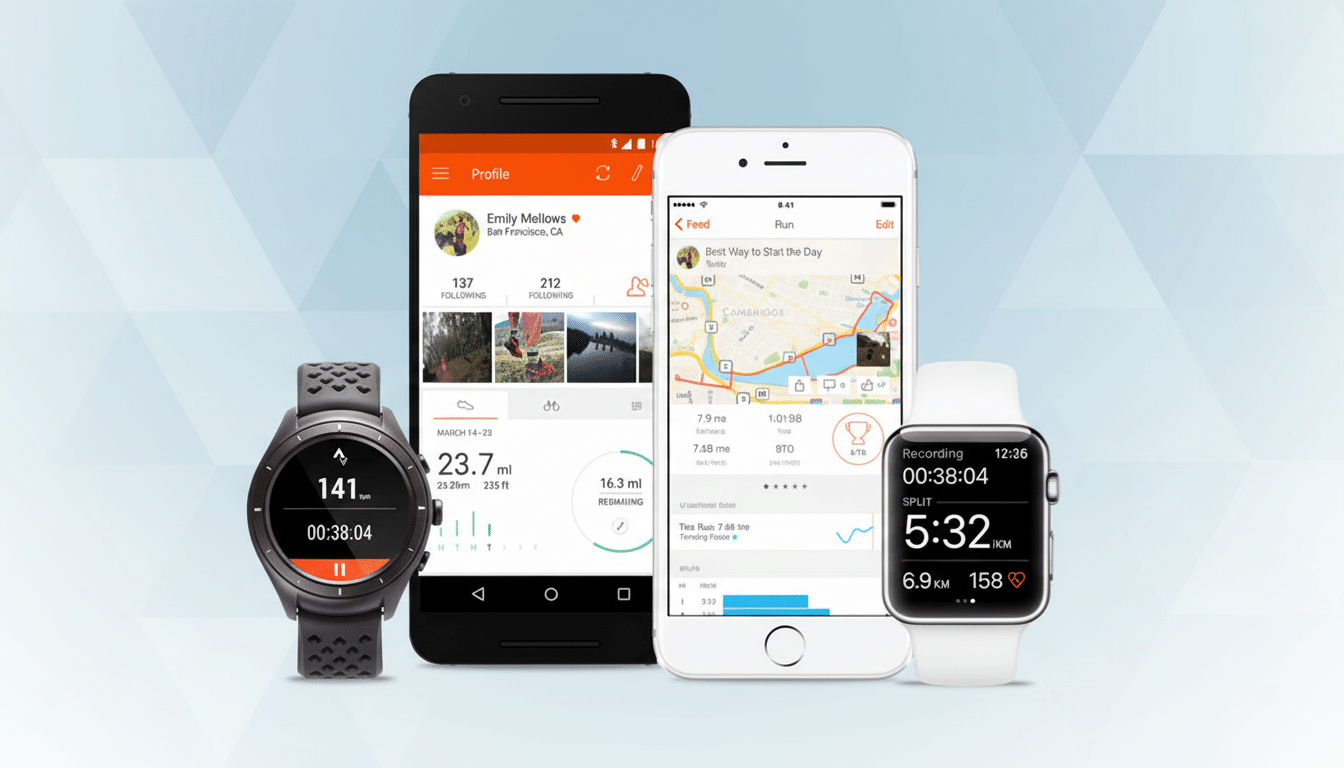
Strava For Social Cardio And Accountability
Strava continues to be the default training log for runners, cyclists, hikers and anyone who wants a map, a goal and some cheering sections. Its route recommendations, Segments (competition things), and club challenges make solo miles a community project, and that can give you the push on chilly mornings.
Premium tools introduce training load insights and year-over-year comparisons so you can see, for instance, how your 10K buildup this spring compares to last fall. Boasting a community of upwards of 100 million athletes and a “Year in Sport” rewind that plots progress, Strava’s perfect if your resolution might feature some quantifiable cardio goals (PRs, commute days or just more time on the move).
Apple Fitness+ For Workouts At A Variety Of Skill Levels
Apple Fitness+: strength, HIIT, cycling, yoga, Pilates, rowing and mindful cooldowns make up the stylish library available for iPhone and Apple Watch wearers. On-screen stats synced from your watch ensure you’re honest about heart rate zones and effort, and “Custom Plans” allow you to schedule a week that balances push versus recovery days.
The service’s real strength is in lowering the barrier to entry — short classes, simple progressions and coaches who cue form without jargon. If your resolution is to “work out more” but you don’t know where to begin, this makes showing up easy and safe while also feeding into your Activity rings to keep those daily streaks going.
Peloton App For Studio Energy (Without The Studio)
Peloton’s app offers the vibrancy of a live class — leaderboards, curated playlists and real-time coaching — without requiring a bike or treadmill. There are also strong strength, bootcamp, outdoor audio runs, mobility and yes, even yoga programs robust enough to provide the backbone of a full training week.
Planned series, such as multiweek strength or running blocks, offer a fixed path from week one to week six — great for resolution-making types who excel with a coach telling them what’s up next. Whether you’re pursuing your first 5K or looking to regain consistency after a layoff, the format converts motivation into a plan for you to follow.
Fitbod For Strength Training Personalized To You
For those of you about to write a 2026 list that starts with “lift twice a week,” Fitbod uses your larger workout history as well as whatever equipment you have on hand and your level of recovery to generate progressive workouts. It autofills sets, reps, and rest based on past performance and estimated muscle recovery — adapting as you log sessions.
The payoff is two-fold: You’ll avoid analysis paralysis in the gym and receive a plan that scales with you. Volume and PRs are visualized with charts, exercise demos help, and substitutions keep workouts flowing in a crowded gym. It works especially well for busy professionals who want to make strength gains without having to write their own programming.
Fitbit App For Daily Readiness And Recovery Habits
It is not intensity but intent that most resolutions lack. The Fitbit app combines step and heart-rate tracking with your sleep stages and a Daily Readiness Score (with compatible devices; membership may be required) to push you deeper on smarter options — hard interval day when you’re ready, mobility or a walk when you’re not.
If you’re trying to move better, stress less, and sleep better (and who isn’t), it’s much more useful to see how last night’s sleep & HRV are shaping today’s available training capacity — and help prevent burnout if things aren’t heading in the right direction. Fake commute, real results. Zone Minutes also gamify regular activity — golden pats for brisk walks, leisurely strolls and lunchtime circuits that add up to actual fitness by March.
How To Match An App To Your 2026 Fitness Goal
Choose the app that’s closest to your primary goal:
- Strava: outdoor cardio and community
- Apple Fitness+: guided variety and ring-closing consistency
- Peloton: coach-led structure and music-driven effort
- Fitbod: personalized strength
- Fitbit: recovery-informed decisions and daily movement
In the end, two broad-based recommendations from the experts: schedule workouts like meetings and keep friction low. “Preload” tomorrow’s class, lay out shoes, pick classes that you can wrap in 20 to 30 minutes on days when life gets wild. Research on habit formation from behavior scientists also backs small, obvious, satisfying actions — an approach that typically triumphs over heroic, unsustainable bursts.
The tech is available to you but the win is yours. Just start small, record accurately and let the data nudge your next right move.
