


Fitbit’s AI-powered Personal Health Coach is now landing on iPhone, bringing its conversational training plans and recovery insights to iOS users in a public preview. The feature, built on Google’s Gemini models, turns your recent activity, sleep, and heart metrics into tailored coaching you can chat with, from weekly training blocks to mid-run adjustments. It remains an early release, but the cross-platform expansion signals Fitbit’s intent to make AI guidance a core part of its wearable experience.
What The AI Coach Actually Does And How It Adapts Plans
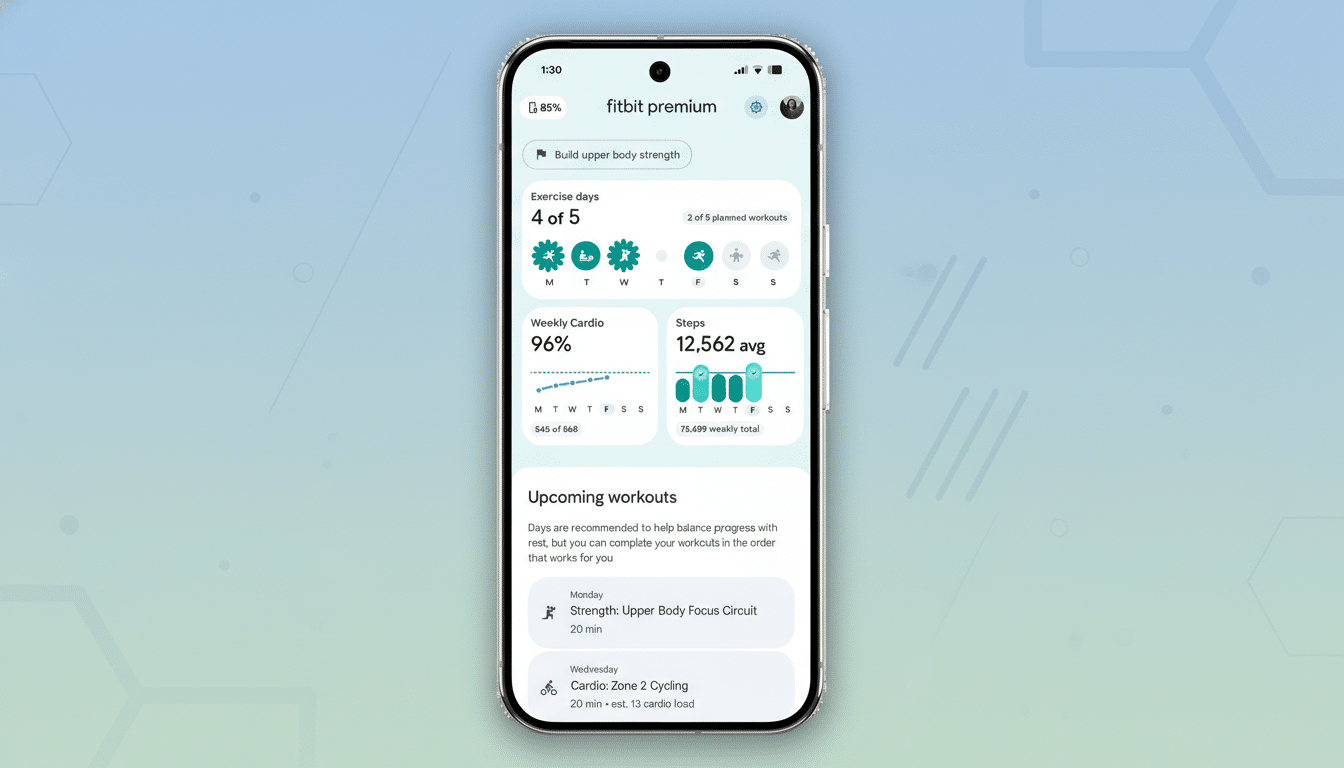
The Personal Health Coach analyzes your historical Fitbit data—think daily readiness markers, HRV trends, resting heart rate, sleep stages, and cardio fitness estimates—to generate plans that evolve with you. Ask it to prepare you for a 10K or a first marathon by a specific date, and it will map out progressive workloads while adjusting automatically if your sleep score tanks or your long run overshoots. You can also chat more casually: “I have 40 minutes and my calves are tight” can yield a tempo-light session plus mobility work, using recent strain and recovery signals to avoid overreaching.
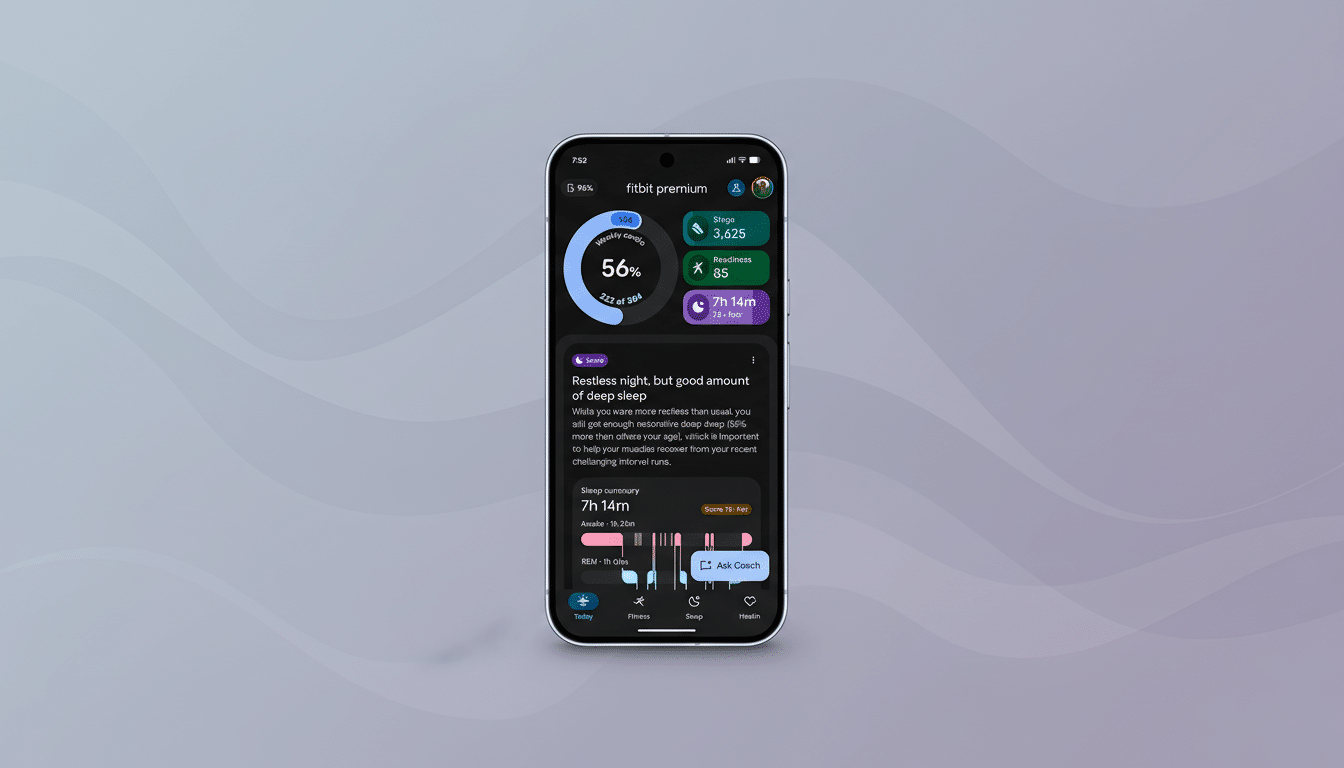
In early hands-on testing across Android, the system has shown it can translate raw metrics into practical advice, such as recommending an easy day after back-to-back high strain or reshuffling a week when a missed workout would otherwise compress intensity. That adaptive loop is the real promise: less copy-paste plans, more context-aware guidance that reflects how you actually slept and moved yesterday, not how you planned to.
Availability And Requirements For The iOS Public Preview
The AI coach is rolling out to iOS over the coming weeks in public preview. You’ll need Fitbit Premium to use it—typically $9.99 per month or $79.99 per year in the US—and a compatible device. Fitbit lists 13 supported wearables, including the entire Pixel Watch lineup, Charge 5 and Charge 6, Inspire 2 and Inspire 3, Luxe, Sense and Sense 2, and Versa 2 and Versa 3.
Geographically, the preview is expanding beyond the US to Australia, Canada, New Zealand, Singapore, and the UK on both iPhone and Android. As with any staged rollout, features may surface at different times by region and device, and small hiccups are expected while Fitbit gathers feedback.
Why This Matters For iPhone Users And Cross-Platform Wearables
Until now, Fitbit’s most ambitious AI features were easier to access on Android and Google’s own watches. Bringing the coach to iPhone broadens the addressable audience and turns Fitbit into a more compelling cross-platform option for iOS users who prefer Fitbit’s hardware or battery life but want richer guidance than static training plans. The timing is notable: Bloomberg recently reported Apple is narrowing internal ambitions for an “AI doctor” concept in Health, focusing instead on selective Siri-enabled answers. That leaves room for third-party wearables to differentiate with hands-on coaching rather than generic tips.
In the broader wearables field, dynamic coaching is quickly becoming table stakes. Garmin has Coach programs built around running goals, WHOOP introduced an AI assistant for recovery and habit questions, and Oura has tested advisory features tied to readiness. Fitbit’s edge is the combination of conversational planning and the sheer volume of longitudinal sleep and activity data its users accumulate, which can sharpen recommendations when the models are tuned well.
Privacy And Data Handling For Fitbit’s AI Health Coach
Fitbit says health and wellness data is kept separate from Google advertising systems, honoring commitments it made when the acquisition closed and reiterated in regulatory filings. Users can review and delete Fitbit data through their account controls. As with any AI-driven feature, the useful question is how much context the model needs to perform well—and whether you’re comfortable providing it. For many, the trade-off is acceptable if the output is actionable and clearly explained.
Early Limitations And What To Watch During The Public Preview
This is still a preview, so expect occasional misreads—like recommending a hard session after a fragmented night of sleep—or conservative plans that need manual nudging. The best AI coaches will cite why they’re advising a change, not just assert it. Fitbit’s assistant has been moving in that direction by referencing recent HRV dips, zone time, or missed targets, and continued refinement should make those rationales crisper.
One practical tip for new users: give the coach at least two weeks of steady wear time before judging it. AI planning models benefit from trend data over single-day snapshots, and readiness signals stabilize with consistent sleep and training. That patience often pays off with fewer abrupt swings and more confidence in rest-day calls—where injury prevention is won or lost.
With inactivity still widespread globally—the World Health Organization has estimated that roughly 28% of adults fall short of activity guidelines—tools that reduce friction and personalize nudges matter. If Fitbit can keep explanations transparent and plans responsive, its AI coach on iPhone won’t just be another feature toggle; it could become the reason some users pick up a Fitbit in the first place.
