


The federal government’s new drone policy isn’t a flight ban—it’s a sales and approvals freeze that closes the door on most future foreign-made models. The Federal Communications Commission has placed leading brands including DJI and Autel on its Covered List for new equipment authorizations, cutting off the pipeline of incoming drones while leaving previously approved units legal to buy and fly.
The result is a peculiar in-between: shelves still have compliant inventory, pilots can register and operate those drones under Federal Aviation Administration rules, and creators can keep using existing gear. But the path for new consumer drones into the US market is essentially blocked unless they were certified before the cutoff.
- What The FCC Actually Banned Under Its Covered List
- What Remains Legal For Pilots And Creators
- DJI’s Lawsuit And The Due Process Fight With The FCC
- Market Impact And What Buyers Should Expect
- Are There US Or Allied Alternatives For Consumers?
- Beyond Drones: Cameras, Microphones, and Gimbals Policy
- Practical Steps For Pilots To Navigate The Freeze Now
What The FCC Actually Banned Under Its Covered List
Two agencies govern this space: the FAA oversees airspace safety and flight operations, while the FCC authorizes the radio hardware inside the aircraft and controllers. The Covered List is the FCC’s tool for denying new approvals to products deemed national-security risks under congressional direction in the National Defense Authorization Act.
Here’s the key: drones that already cleared FCC equipment authorization before the cutoff remain lawful to sell and operate. The ban applies to future models and any new versions that would require fresh FCC approval. The agency could revoke prior authorizations, but that requires a case-by-case process and has not occurred for consumer drones.
This framework captures almost every affordable consumer brand—DJI, Autel, Holy Stone, Potensic, and others—because their products are typically manufactured abroad and need new approvals for each generation.
What Remains Legal For Pilots And Creators
If your drone already carries an FCC ID and meets FAA requirements, you can keep flying. FCC leadership has stated that previously authorized models are unaffected. You can still register with the FAA, comply with Remote ID where required, and operate within standard airspace rules.
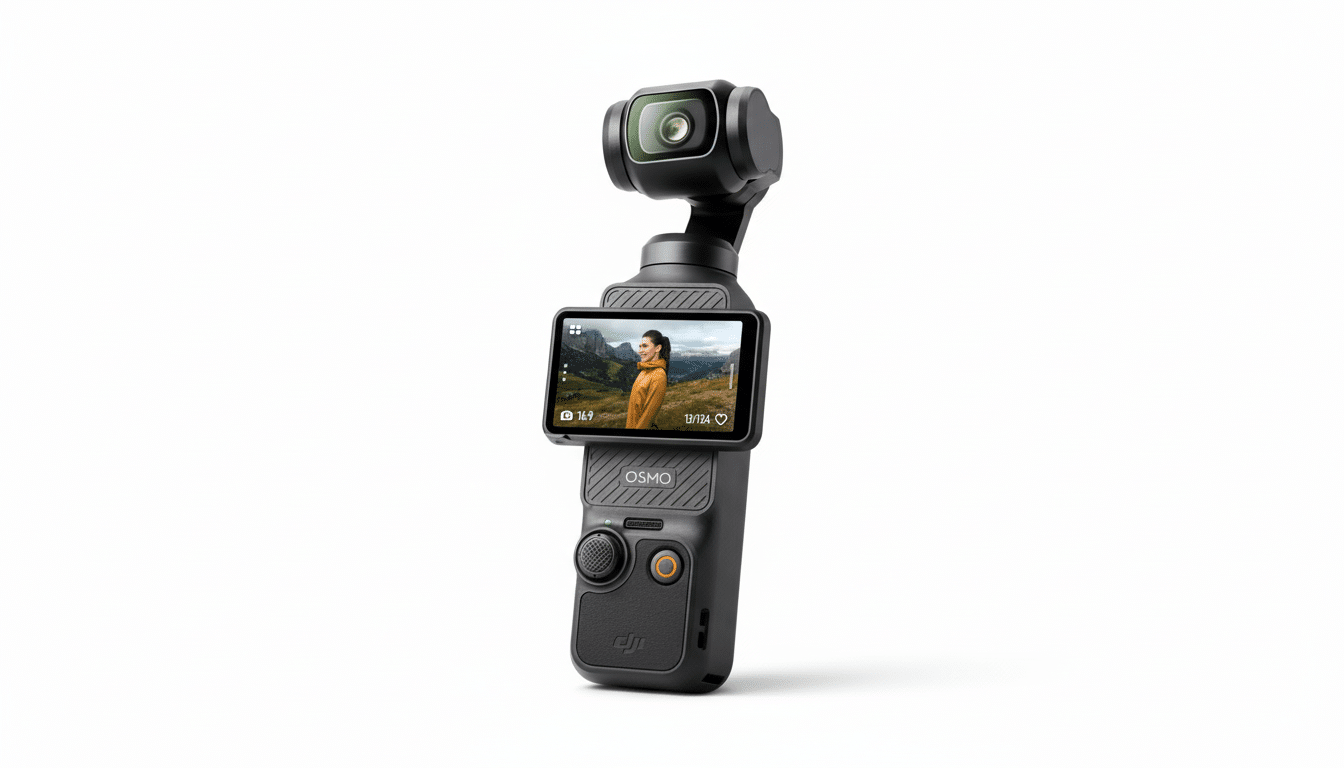
Parts and accessories for approved drones—batteries, propellers, gimbals, antennas—remain available because the FCC’s action applies on a going-forward basis. Secondary-market sales and repairs are also permitted. For creators, legacy DJI Ronin and Osmo products that were previously approved stay in play; however, future releases in these categories face the same authorization roadblock.
DJI’s Lawsuit And The Due Process Fight With The FCC
DJI has sued the FCC, arguing the agency violated due process by adding the company to the Covered List without a meaningful opportunity to rebut specific security allegations. The filing doesn’t alter the policy’s effect while litigation proceeds. Legal experts note courts will weigh administrative procedure, statutory authority in the NDAA, and how much deference to grant the agency’s national-security determinations.
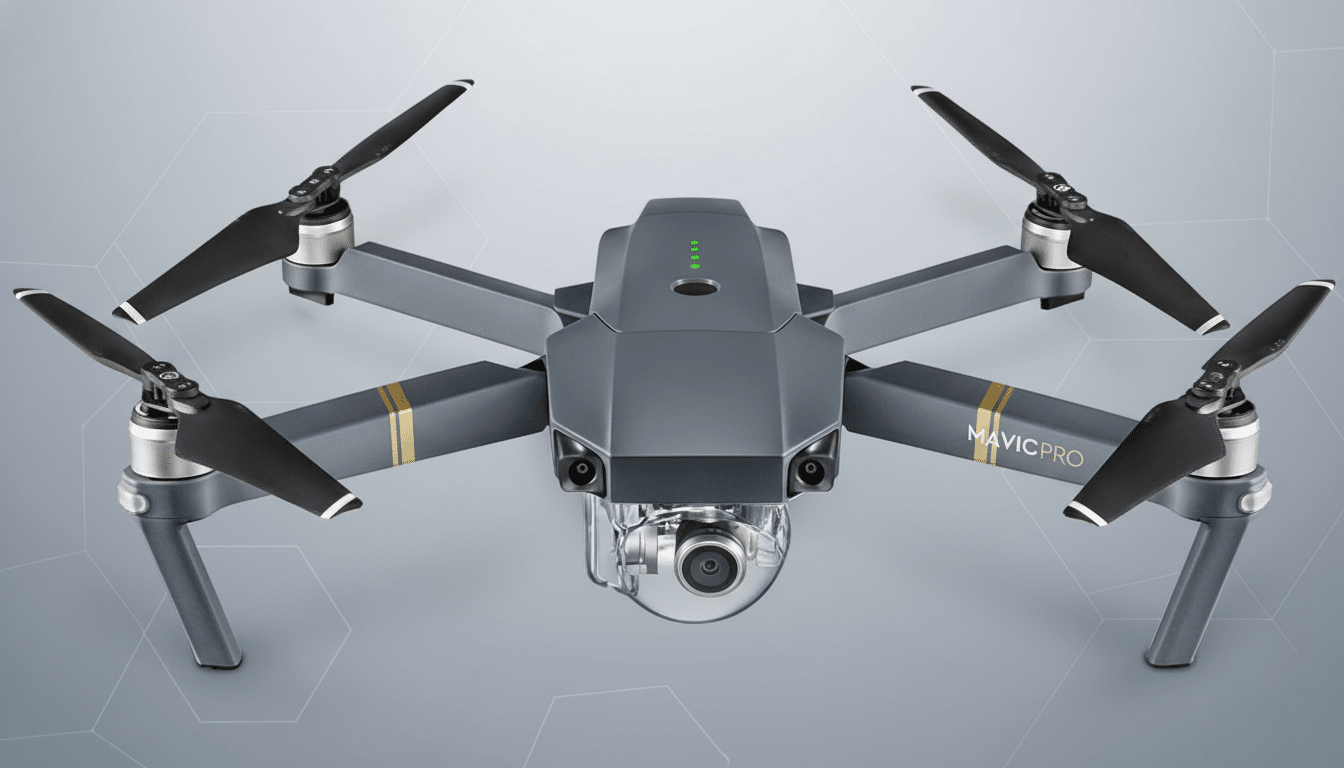
Meanwhile, the FCC has shown it’s willing to use the Covered List beyond drones, recently signaling similar tactics for other radio devices—a sign that the policy approach is here to stay absent a court rebuke or new legislation.
Market Impact And What Buyers Should Expect
DJI has dominated consumer drones for years; DroneAnalyst and other industry trackers have repeatedly estimated its share at roughly 70%+ in North America. The FAA’s registry lists hundreds of thousands of active small unmanned aircraft, a critical base for real estate imaging, construction progress tracking, and content creation.
With the approvals spigot closed, the flow of new consumer models will slow dramatically. We’re already seeing staggered availability and delayed US launches, with some aircraft debuting overseas but skipping this market. Expect tighter inventories, fewer firmware refreshes tied to new hardware, and more pilots holding onto airframes longer. Early signs point to firmer pricing on in-demand models and expanded repair/refurb channels.
Are There US Or Allied Alternatives For Consumers?
There are domestically assembled and allied-nation options, but most target public safety, agriculture, and defense—not typical consumers. The Defense Department’s Blue UAS Cleared List, managed with the Defense Innovation Unit, carves out certain platforms for government use, including models from allies such as France, Norway, Switzerland, Denmark, and Taiwan. These aircraft emphasize secure supply chains and hardened radios, and they command industrial pricing.
Prices are the sticking point. As one US manufacturer, Hylio, has suggested, consumer-sized platforms built to domestic sourcing standards could land in the $4,000–$5,000 range—far above the sub-$1,000 tier where creators typically buy. Skydio’s pivot away from consumer sales underscored how challenging it is to serve that price-sensitive segment with US-based production.
Beyond Drones: Cameras, Microphones, and Gimbals Policy
The NDAA language folded into the Covered List extends to “communications and video surveillance equipment and services,” which captures non-drone gear from affected companies. DJI has indicated its broader product lines—including Ronin stabilizers and Osmo cameras—are covered for future approvals. Previously authorized models remain unaffected. A gray area persists around corporate affiliates and partners; observers are watching how the FCC treats related brands in upcoming filings.
Practical Steps For Pilots To Navigate The Freeze Now
- Verify an FCC ID before buying. If the model was authorized before the cutoff, it’s still legal to sell and operate.
- Stock essential consumables. Batteries and props have finite lifecycles; secure spares while supply is steady.
- Stay current on FAA rules. Remote ID, airspace authorization, and night flight requirements continue unchanged.
- Consider your upgrade horizon. With fewer new models inbound, weigh maintenance and refurb options to extend life.
The bottom line: this is an equipment-authorization freeze, not a prohibition on flying. For now, the skies remain open for already approved drones, but the consumer drone innovation cycle in the US is entering a slower, more uncertain phase.
