


The FBI’s recovery of Nest doorbell video in the disappearance of Nancy Guthrie despite the absence of a paid subscription is rattling smart home users and privacy advocates. The clip, drawn from backend systems after the camera was disconnected, appears to contradict user-facing guidance that non-subscribers only get a brief window of event history. The gap between what owners expect and what may persist on company servers is now at the center of a growing privacy debate.
What Happened and Why It Matters for Privacy
Investigators say they obtained doorbell footage that captured a person at the Guthrie residence, even though there was no active subscription and the device was offline. For households that rely on smart cameras, the episode suggests that video—or fragments of it—can exist beyond the “visible” history users see in their apps.
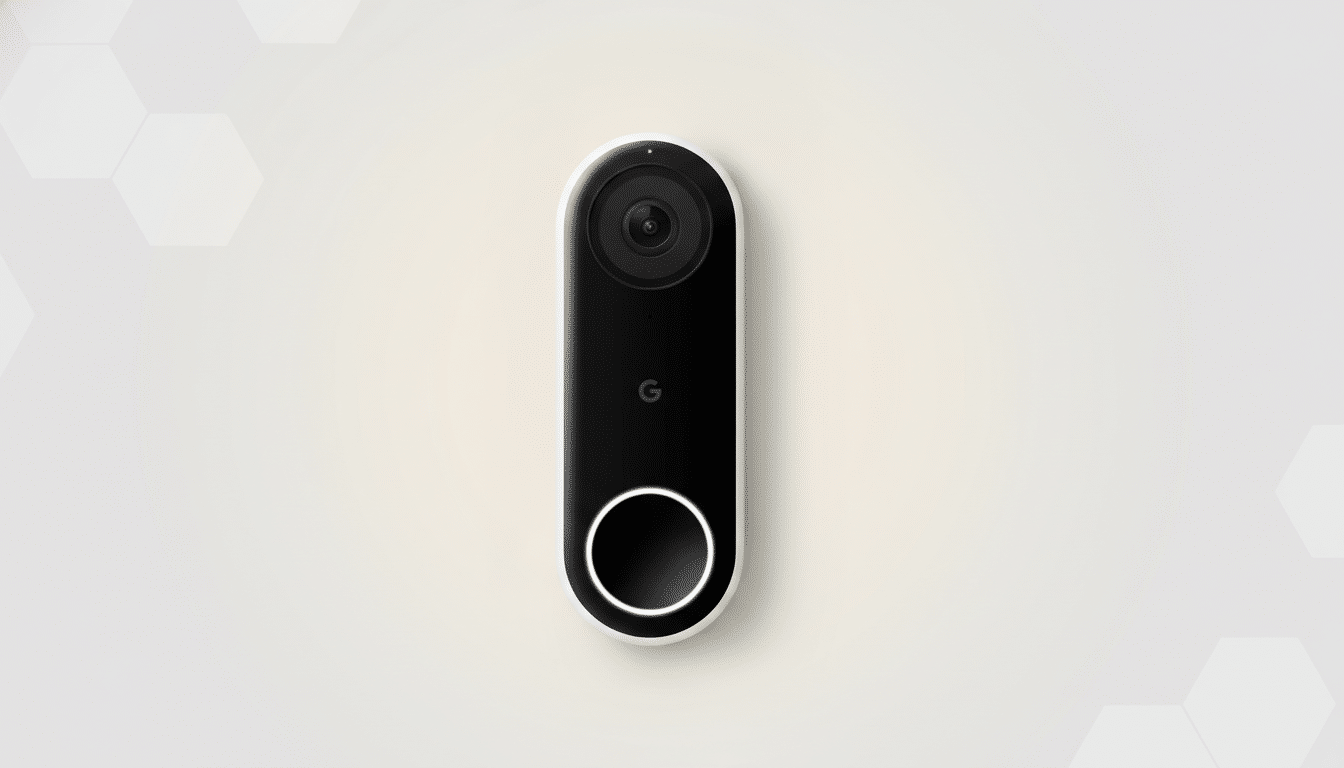
That distinction is crucial. Google’s documentation tells non-subscribers to expect only a few hours of short event previews. But documentation aimed at consumers is different from internal retention practices that govern how long transient data, backups, and server-side caches may persist. The FBI’s successful retrieval underscores that difference.
How Nest Video Can Persist Without A Plan
Modern cloud camera systems move video through multiple layers: device buffers, upload queues, regional servers, content delivery networks, and disaster recovery backups. Even when an owner lacks a paid plan, small video snippets, thumbnails, and metadata often transit these systems to power notifications and previews. In complex distributed storage, “deleted” can mean scheduled for erasure, while replicas or backups linger for a period to ensure reliability and legal compliance.
Google’s consumer materials emphasize a three-hour window of event previews for non-subscribers and note that deleted data may remain in backups for limited periods or longer if required by law. What they do not spell out is a precise retention clock for every class of video artifact in backend systems. That ambiguity leaves room for scenarios where law enforcement can recover data owners assumed was gone.
The Legal Path to Accessing Cloud Camera Footage
Under the Stored Communications Act, law enforcement typically needs a warrant to obtain the contents of communications, which can include cloud-stored video. Companies say they scrutinize requests and only produce data in response to valid legal process or emergencies. Google’s transparency materials indicate that it receives a large volume of government data requests globally each year and that requests are reviewed for scope and legality.
There is precedent across the smart camera market. In a widely cited disclosure to a U.S. senator, Amazon said Ring provided videos to police without user consent 11 times in a single year based on emergency requests. While Nest is a different ecosystem with its own policies, the Ring example shows how backend access and legal pathways can yield footage users did not expect to be retrievable.
Privacy Advocates Want Specifics Not Generalities
Groups such as the Electronic Frontier Foundation and the ACLU have long pushed for tighter data minimization and explicit retention limits for connected devices. Their argument is simple: if companies market short retention to users, backend systems should mirror that promise or, at minimum, disclose concrete timeframes for caches, replicas, and backups.
Without clear numbers, consumers cannot make informed trade-offs between convenience and privacy. The Guthrie case highlights the need for vendor-by-vendor retention charts that separate user-visible history from backend persistence, plus regular third-party audits so that internal practices match public claims.
What Smart Camera Owners Can Do Right Now
Review account settings for auto-deletion, event history length, and data download/export options. Enable two-factor authentication and strong passcodes to reduce the risk of account compromise that could expose archives. If your threat model is sensitive, consider cameras that support local storage, robust on-device processing, and end-to-end encryption where the provider cannot access video even if served with legal process.
Also, be realistic about notifications and previews: the push alerts you rely on typically require server-side processing. If you want to minimize cloud footprints, disable certain features, or use systems that route video through a local hub with cloud-independent recording, understand you may trade away remote AI detection and easy sharing.
The Bigger Takeaway on Cloud Video Transparency Gaps
The recovered Nest footage may prove vital to an investigation, but it also spotlights a transparency gap. Consumer-facing promises about short event history do not necessarily describe how long fragments of footage remain retrievable in the cloud. Until providers publish concrete retention timelines—covering previews, thumbnails, logs, and backups—expect that more than meets the eye can persist on the backend, accessible with the right legal key.
