


Fat Bear Week is back, and the internet’s favorite competition among wildlife is already roaring along in Katmai National Park and Preserve in Alaska. If you’ve come for the theater of salmon-driven renewal and hope to follow along in real time and cast an intelligent vote, this guide has it all.
Where to Watch the Bear Cams for Live Katmai Action
Here, the official Katmai bear cams stream through the park’s partner platform and on YouTube and provide multiple angles of the action.
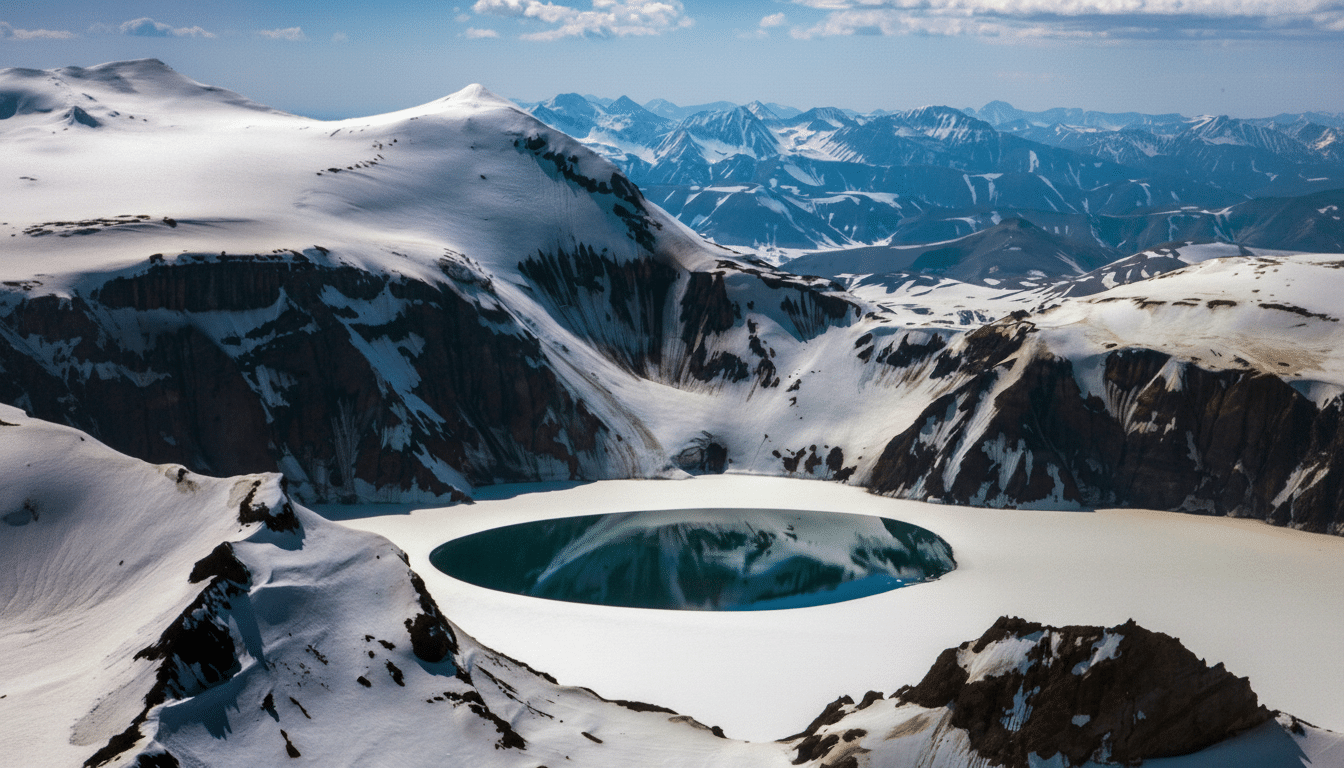
Here you’ll see the world-famous Brooks Falls, Fish Ladder, a secondary falls view location; the Riffles and River Watch (known for smaller bear gatherings), Kat’s River View, Brooks Camp and Naknek River, as well as the Underwater Salmon Cam. Between them, they cover hotspots for feeding—from the frothy falls to the quieter lower river—and the hypnotic upward migration beneath the surface.
Streams are more or less continuous, including night-vision after dark. For drama, peak fishing action at Brooks Falls offers a chance to see during daylight hours that alpha males own the most desirable territory, while other sections like the Riffles or the downstream river can make for good fishing later in the summer as salmon spread out. The underwater camera, in particular, is surprisingly revealing, capturing close passes by bears and the surge of sockeye in crystal detail.
How Fat Bear Week Voting Works and Where to Vote
Fat Bear Week is a one-and-done fan vote that celebrates which of the park’s bears plumped up most impressively ahead of winter hibernation. Each day presents head‑to‑head battles, with the winners advancing to determine who will be crowned champion. Voting takes place on the official Fat Bear Week page at the park’s streaming partner; simply follow the on‑screen ballot to choose your bear in each pair of photos.
To help make up your mind, organizers offer “before and after” galleries of spring‑slim to autumn‑ample transformations, along with bear‑dentity files complete with species profiles and identifying characteristics. Only legitimate votes are tallied—park staff and partners scrutinize for anomalies and have a history of invalidating dubious entries in order to maintain fairness in the competition.
Fan Favorites and a New Generation of Contenders
Regulars will know heavyweights such as 747, often one of the biggest adult males on the river, and 480 Otis, a veteran angler known for patience and efficiency despite worn teeth. The most recent star, 128 Grazer, has gained a reputation as one who will fight to the death for her young and grow summertime horns “that will just make your jaw drop.” Two of the up‑and‑comers are moms to many, and there are subadults learning where they fit in the social hierarchy—their stories (updated by rangers and volunteer moderators) include gossip about who’s been sleeping with whom, how much time was actually spent raising such‑and‑such a cub, or which bear has learned whose fishing style.
Here’s how to identify them on the cams, sans monikers: The easiest way is to home in on characteristic features—ear size and spacing, shoulder‑hump dimensions, pelage color and texture, or facial scars.
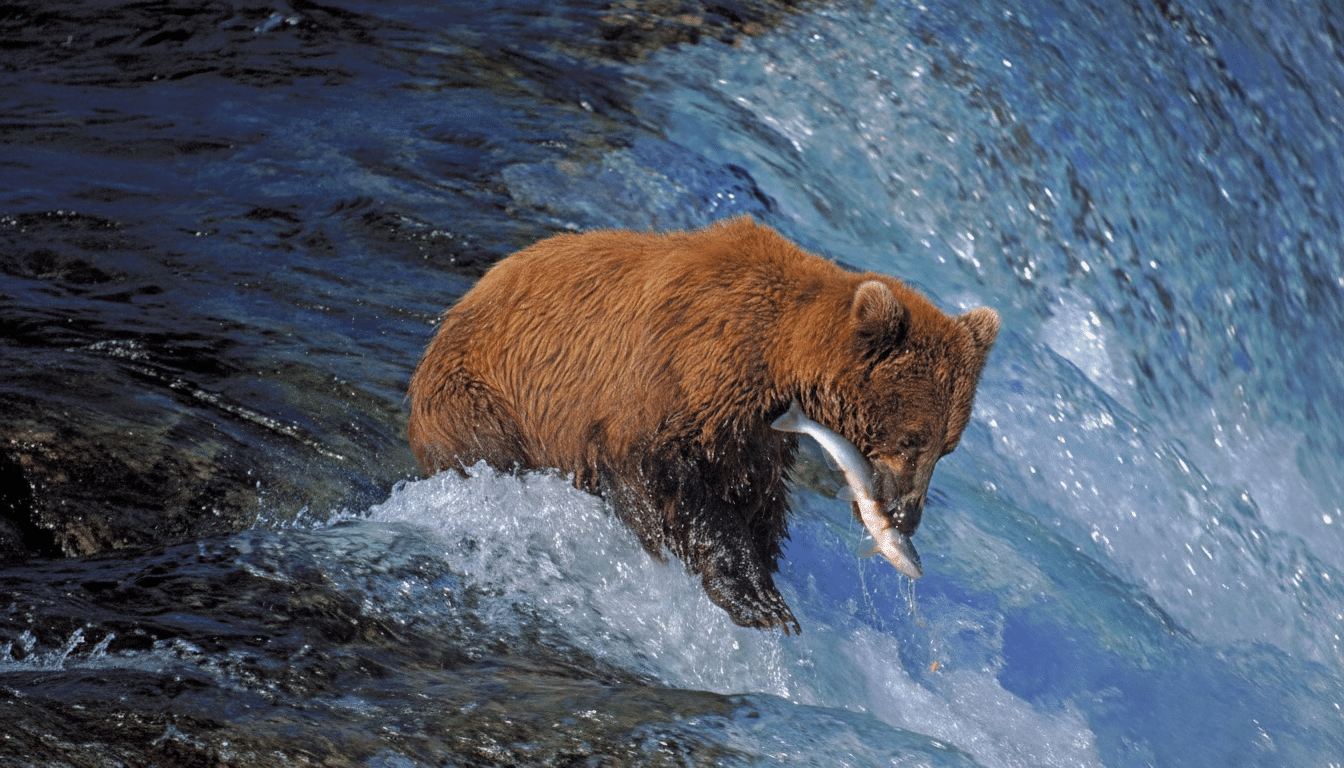
Subordinate bears can succeed by having the skills to fish with the big boys and timing their moves when other dominant males are out of the way.
Why the Katmai Brown Bears Get So Big Before Winter
Katmai’s brown bears have a narrow window in which to pack on the fat that sustains them during months of winter denning. Bears may double their weight by the fall, according to the National Park Service, and in their prime, large adult males can grow more than 1,000 pounds. Late summer feeding, depending on the size of the fish, can mean tens of thousands of calories per day, with salmon delivering high-fat, high-protein sustenance in every bite.
The binge-triggering biological engine is the Bristol Bay sockeye run. The Alaska Department of Fish and Game has charted runs over tens of millions of sockeye in the last few years, pouring through river systems like Naknek and supporting bears—as well as feeding humans in nearby communities. All of that abundance is why Brooks Falls makes for such a reliable stage upon which Fat Bear Week can play out.
Pro Tips for Watching the Cams and Voting Wisely
Swap between cameras to watch the action depending on conditions. If the falls look slick, head over to the Riffles or lower river, where bears will prowl for salmon loitering in shallows. Before voting, catch up on critical moments by using the stream partner’s time‑lapse and highlight reels. Ranger talks and Q&As publicized on the stream and by the National Park Service provide context that can hone your pick.
When it’s time to cast votes, compare the same bear through the season, not against another bear in terms of genetics or dominance. You want rounder necks and deeper belly sag—signs of bigger fat pads beneath the skin—and a smoother profile (“think water balloon”), another telltale giveaway of fat storage. Yes, the bracket is for fun, but it’s also an intensive course in natural history, so use those bios and photos to make an educated guess.
Where to Get Official Fat Bear Week Info and Updates
For official news and updates, keep an eye on announcements from Katmai National Park and Preserve, as well as the National Park Service. The bear profiles, ranger notes, and daily matchup pages of the streaming partner are the hub for both cams and voting. Park biologists and wildlife scientists from the U.S. Geological Survey also provide insight into why bear behavior is changing as the salmon run winds down.
Whatever side of the debate you’ve taken—team patience or team power—tune into the live cams this summer and learn about these bears! That’s the Fat Bear Week spirit—an ode to healthy ecosystems, one bland fat sac at a time.
