


An explosion and vehicle fire ripped through a smaller two-story building at Faraday Future’s Los Angeles headquarters, drawing an immediate response from the Los Angeles Fire Department and red-tagging the structure by city inspectors. Firefighters knocked down the fire in about 40 minutes and no injuries were reported, according to an LAFD spokesman.
The structure is a wing of the main headquarters. Building and Safety staff working for the city said it was so unsafe that no one is going to be allowed back in without structural repairs. The fire erupted as uncertainty surrounds the company’s long-term footprint at the site.
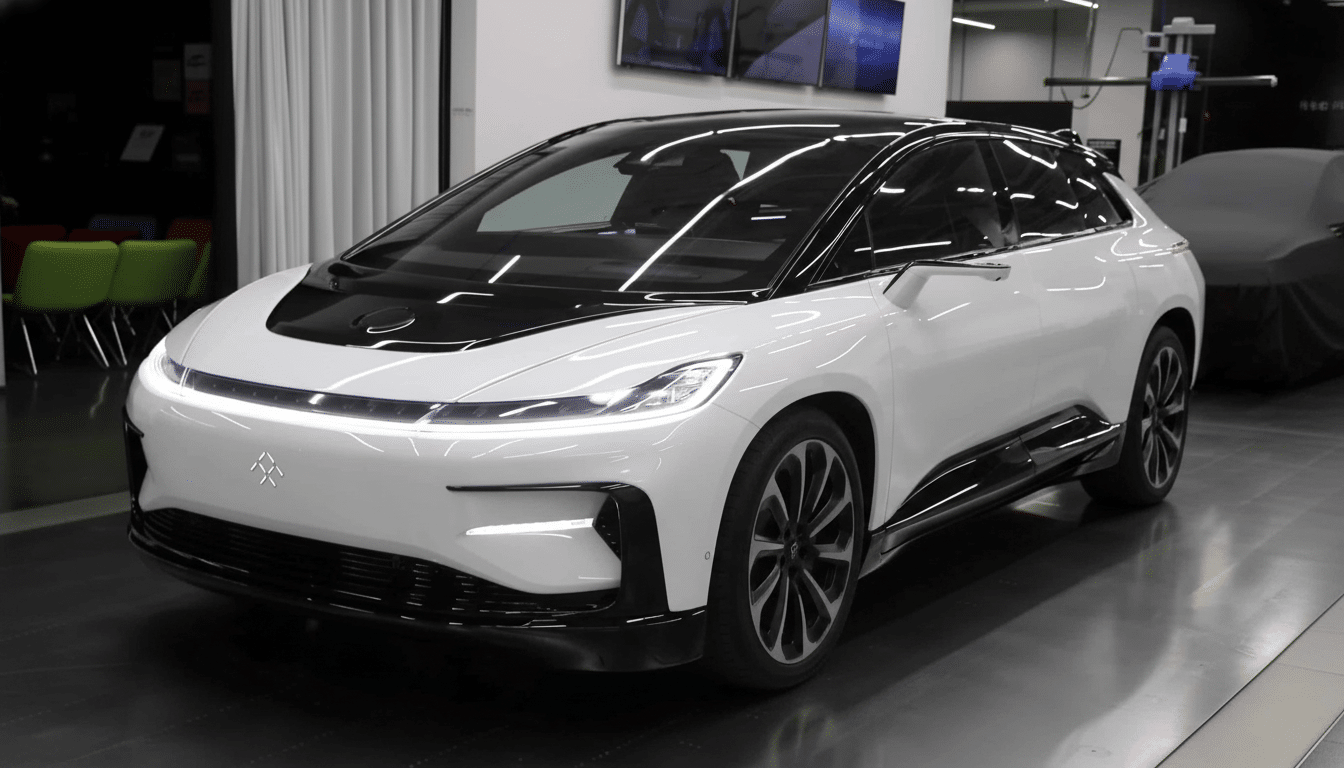
What firefighters found inside Faraday Future’s LA HQ blaze
Crews that responded had to break in to get inside and put out the flames after an explosion was reported. The specific vehicle was an FF 91 electric SUV that was inside the office space on display, according to the LAFD spokesperson. Investigators have yet to determine the cause, nor where on the site it originated, and they say there were no immediate “human factors” being considered. The scene was handed over to fire investigators for a routine post-incident review and building officials for safety evaluation.
Even after the fire crews have extinguished the flames, however, lithium-ion batteries—under the right circumstances—are capable of reigniting and so they are usually watched by firefighters closely for residual heat, and damaged packs will be isolated if possible. That could complicate matters for firefighters, who are taught ultimately to douse lithium-ion fire with large amounts of water. Our national guidelines say that high-voltage battery fires may have to be cooled and disabled gradually if we want to avoid reignition, says Wagner. Some 75 percent of the time that a hybrid or electric vehicle crashes and a fire begins, there is no frontal collision or other obvious trauma.
Reviewing damage with Building and Safety officials
Once the fire was knocked down, a City of Los Angeles Department of Building and Safety inspector assessed the structure and deemed it unsafe with a red tag (no occupancy is allowed). Red-tagging usually occurs after major structural or systems damage that poses a threat to occupants, and it can activate engineering assessments, shoring and restoration plans before a reopen is permitted.
The main part of Faraday Future’s headquarters was not described by officials as directly affected, but functions that were in the damaged annex will be paused until structural work and utility inspections can take place. Both insurance adjusters and private fire investigators are anticipated to work with city officials as the cause-and-damage analysis continues.
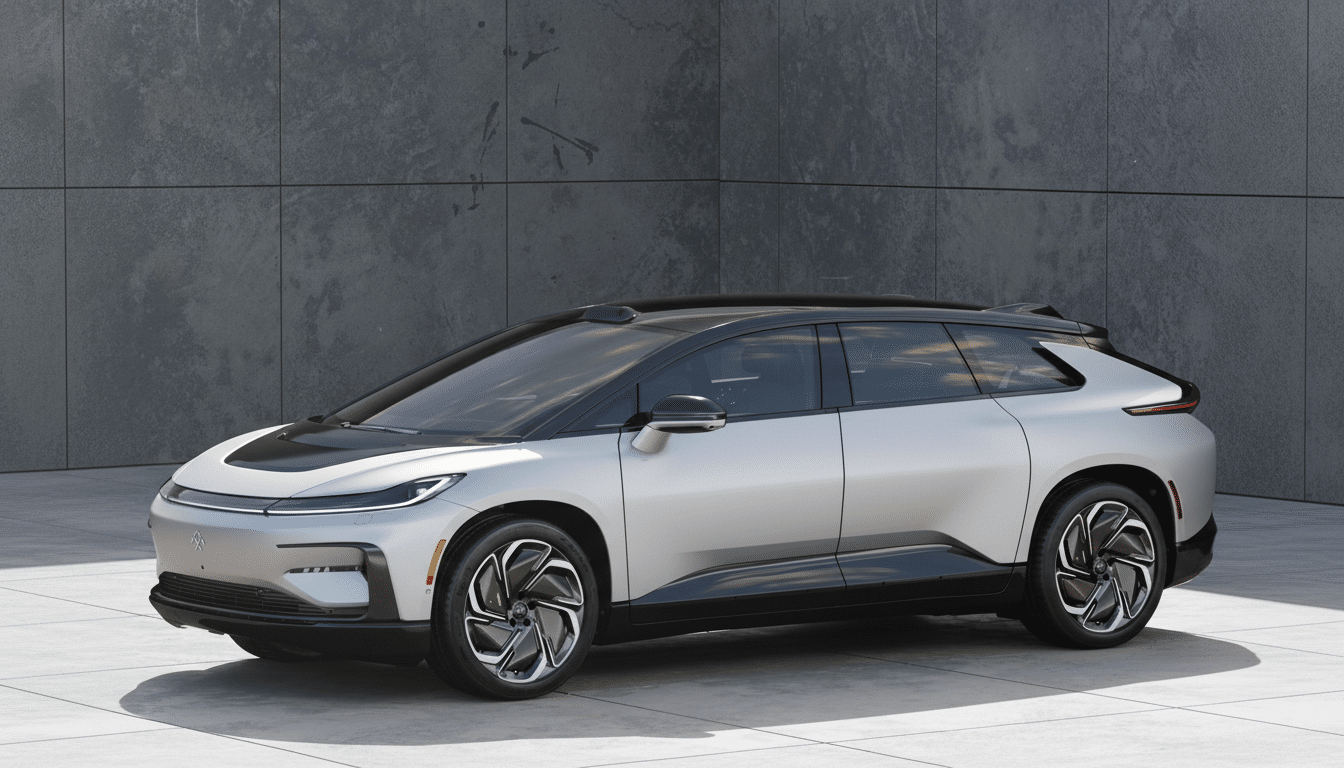
EV fire risks and the ongoing investigation at Faraday Future
Electric-vehicle fires, while rare on a per-vehicle basis according to numerous fire-safety studies, can also be particularly stubborn when they happen because of thermal runaway — the self-heating chain reaction inside battery cells. Research cited by fire agencies and the Society of Automotive Engineers acknowledges that dousing generally needs large amounts of water, and cooling can take a while. That’s the operational reality that explains why LAFD covers its bets — and why it performs such a large response and does too much post-fire monitoring.
Regulators have been pressing automakers to improve cell design, pack isolation and software diagnostics that can sense faults before they lead to disaster. Examples from the industry include battery recalls and software updates by top-tier manufacturers to lower charging thresholds and minimize thermal risk. Investigators in this case will analyze the FF 91’s high-voltage system, recent service and the setting where the vehicle was exhibited.
What the explosion and fire could mean for the startup
The fire comes at a precarious time for Faraday Future. The company finally started making limited handoffs of its ultra-luxury FF 91 after repeated delays, delivering a few cars to the rich and famous early clients. Employee whistleblowers have accused the company of overpromising, and the Securities and Exchange Commission has delivered Wells notices to the company and its founder Jia Yueting — a sign that an enforcement action could be imminent after a yearslong investigation.
To expand its prospects, Faraday Future has been pitching a more pedestrian van from China and floating a crypto-related venture, evidence of the company barnstorming for revenue. With the fire at headquarters comes new stresses: Rebuilding an annex, dealing with insurance and inspections, clearing up the lease picture — all while working to stabilize production and reassure investors.
The questions now are simple: What caused the FF 91 prototype to catch fire, how quickly the damage to the building can be made safe and whether the would-be carmaker can keep continuity at what has been its longtime base in Los Angeles?
Answers will be determined by the fire investigation, structural engineering reports and the landlord’s leasing decisions in the coming weeks.
