


The Justice Department documents pertaining to Jeffrey Epstein that were recently unsealed had redactions that could be removed with just a bit of technological know-how, reporting from several outlets showed. Some blacked-out passages were recoverable by simple copy-and-paste or easily reverse-engineered image manipulation, journalists and open-source researchers said, in what one major newspaper called proof of “hasty” censorship.
The lapse has led to renewed scrutiny of federal practices for redacting and the dangers they pose to victims, witnesses and active investigations. It also highlights a classic government IT issue: masking text is not the same as erasing it.
- Where the redactions went wrong in the DOJ Epstein files
- How the redaction flaws were discovered and verified
- DOJ scrambles for reviewers as more Epstein files loom
- Why the stakes are high for victims, witnesses and cases
- Not the first redaction debacle in recent government history
- What experts recommend now to fix federal redactions
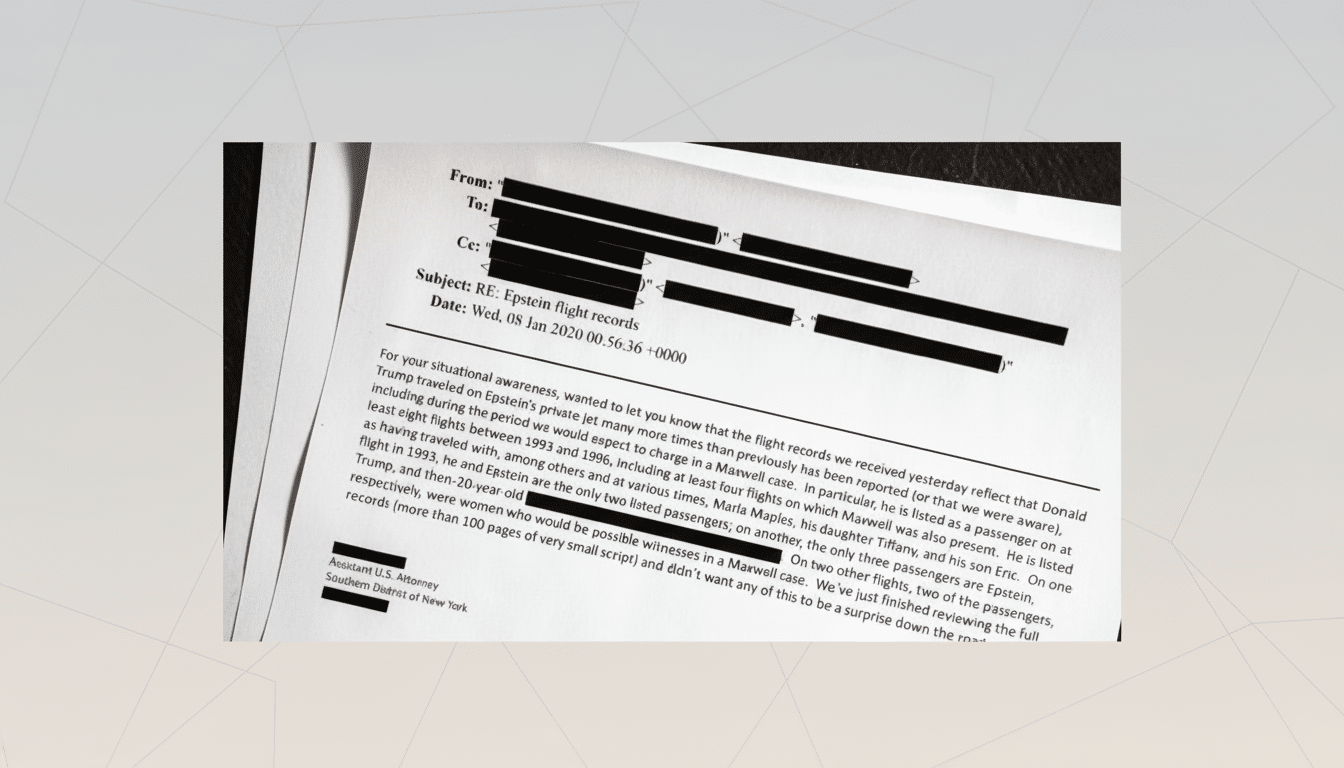
The documents are being released under the Epstein Files Transparency Act, which requires the unsealing of untainted records associated with Epstein and his inner circle. The Justice Department set up a special portal for them, but advocates say the disclosures justify more robust technical controls and quality checks than appeared to have been applied.
Where the redactions went wrong in the DOJ Epstein files
Redaction of digital works is only secure if the proper content is actually removed from the file. Experts say black boxes (annotation layers or image overlays) can still leave the original text untouched and machine-readable. That seems to have occurred in some parts of the Epstein cache as well, where anonymized names and narrative information could still be culled.
Secure workflows are likely to use purpose-built redaction tools, document sanitization that removes hidden data, and validation that copy-paste and search won’t bring the protected text back to life. Taken together, without these steps, a PDF can become a trapdoor to information.
How the redaction flaws were discovered and verified
Open-source researchers and reporters said they had confirmed the vulnerabilities in several different files. They were able to read the blacked-out text. In others, rudimentary photo editing revealed the existence of layers that had somehow been held back. Other newsrooms, including The New York Times and The Guardian, reported similar conclusions, heightening fears that redaction had been rushed.
The revealed passages included references to civil litigation, purported abuse of minors, and payments to youthful models and actresses — material that was intended to have been kept from public view, in the interest of privacy and the sanctity of such legal proceedings.
DOJ scrambles for reviewers as more Epstein files loom
CNN reported this week that the U.S. Attorney’s Office for the Southern District of Florida sent an all-hands email soliciting volunteers to assist with making emergency redactions after being asked by the Deputy Attorney General’s office. The private call indicated an expedited posting process and a sudden demand for seasoned reviewers.
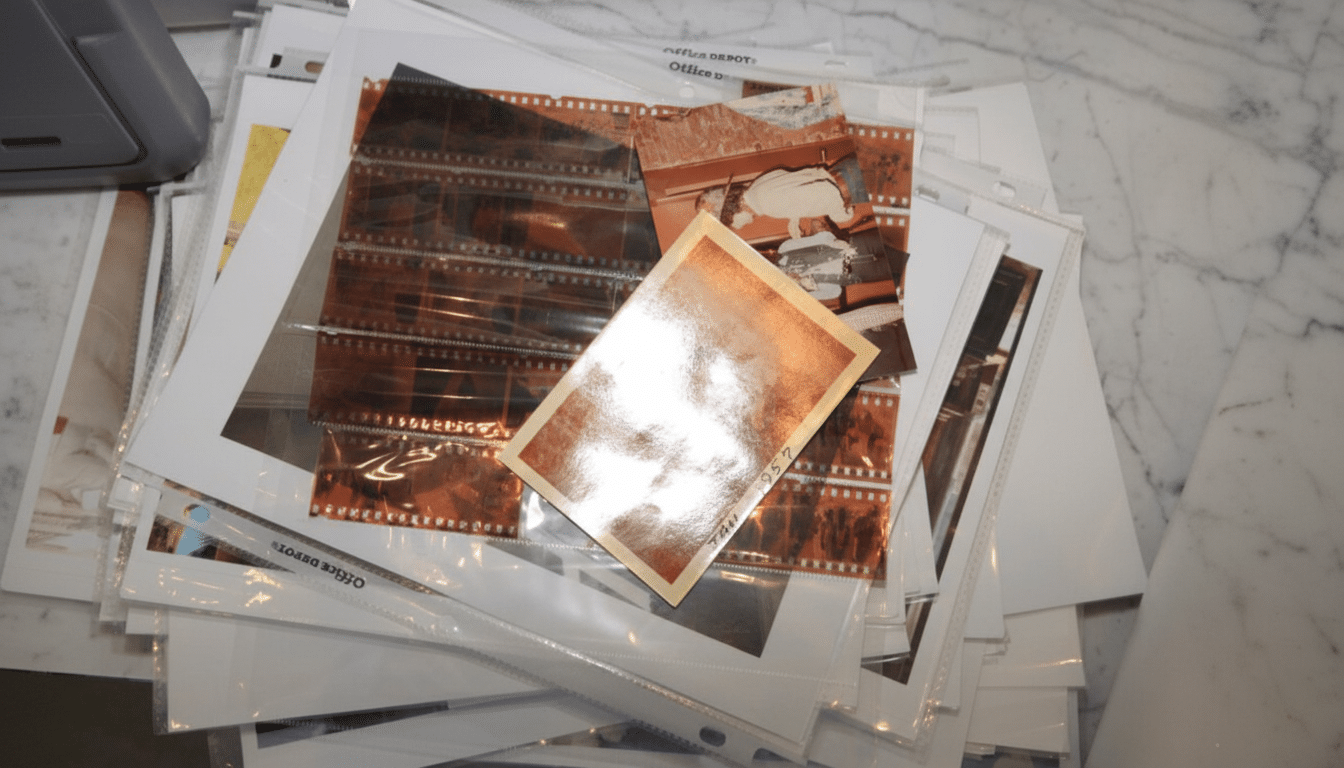
The department has been under pressure to strike a balance between transparency and privacy, but the revelation that recoverable redactions exist may necessitate a pause and time-consuming do-over. Releasing discredited materials, legal experts said, could make the government vulnerable to court challenges and jeopardize protective orders and witness safety plans.
Why the stakes are high for victims, witnesses and cases
Redaction failures can retraumatize victims, create the potential for doxing or harassment, and unintentionally tip off targets in related matters. Advocacy groups have long cautioned that just one unvetted PDF can spread far and wide, forever, making any corrections after the fact almost purely symbolic.
The broader system is strained. As government watchdogs have noted, many federal agencies processed upwards of 200,000 overdue FOIA requests in recent years, and information- and redaction-heavy document dumps are increasingly left to overburdened lawyers or contract reviewers. And the longer you compress timelines, the greater your risk of technical errors.
Not the first redaction debacle in recent government history
High-profile blunders are not new. In one high-profile federal criminal case, black bars in a court filing still did not mask sensitive strategy that was easily readable when pasted into a new document. It is not the first time an agency has inadvertently disclosed secrets online — in 2009, the Transportation Security Administration posted a manual with botched redactions that revealed sensitive details about airport screening operations. The same sorts of accidents have made their way into public contracts and international reports when PDF layers were not thoroughly cleansed.
The through line in each case: a misunderstanding of how digital files “store” text and metadata — and the lack of a disciplined check to confirm the hidden content has really been eradicated.
What experts recommend now to fix federal redactions
- Procure specialized tools for redaction that not only block content, but also erase it.
- Use document sanitization on all documents to remove metadata, comments and hidden layers.
- Validate the effectiveness of the redaction process by running searches, copy-and-pastes and machine-readable tests against redacted files.
- Implement a second-tier human review, judging risk by page, and maintain clear chain-of-custody versioning that allows corrections to be tracked.
- For the most sensitive material, release image-only derivative copies that have been appropriately flattened and sanitized, and keep audit trails of what was held back and why.
For the Epstein releases, this will mean prioritizing reissuing docs with strong technical fixes and clear errata. It is also a reminder that transparency without precision can backfire, and not only diplomatically or politically: When the cost of error is harm to humans, you want your sources of information to be precise.
