


In a category obsessed with apps, hubs and cloud accounts, Emerson is taking a contrarian swing: a line of connected home devices that feature on-device voice control and work not just without Wi‑Fi but even without a hub.
The company’s SmartVoice portfolio embeds a microphone, speaker and small speech engine in each gadget, so you speak to the device and it replies locally.
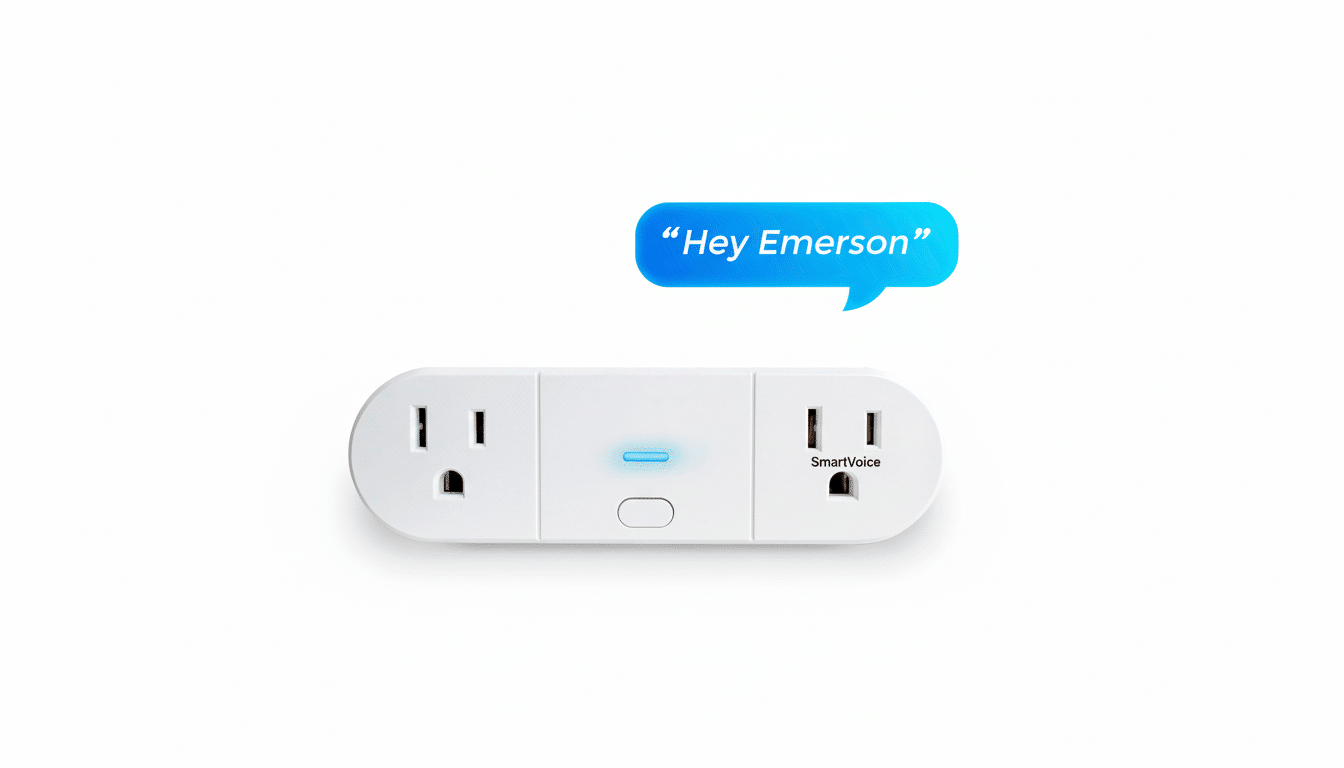
It’s a simple concept with major ramifications. No setup sprawl. Nothing to configure, no SSID and password to input. No third-party assistant listening in. And, crucially, fewer points of failure when your internet or your router isn’t working properly.
What offline voice control means for smart devices
Local voice control reduces latencies and mitigates reliance on the cloud. Because commands are executed on the device, responses occur in real time even when your home network is offline. Privacy is also strengthened: voice data does not get sent to servers. Although Emerson has not released a formal privacy paper, many of these “on-device first” principles are similar to recommendations from organizations like NIST that suggest limiting data exposure in connected products.
There’s a precedent for local speech in consumer tech—such as Sonos processing plenty of requests on-device, and smartphone assistants doing more commands locally on the handset—but the idea of always-listening voice being built into everyday appliances, even without any network requirement, is still pretty rare.
How Emerson’s SmartVoice technology works offline
SmartVoice comes with a pre-integrated wake word and vocabulary with each device. “Fan,” fans will answer, “Heater” for heaters, and one product also responds to “Emerson.” Just say “Hey, heater, turn on” or “Hey, heater, set a 30-minute timer,” and the unit goes without involving a phone connection or hub.
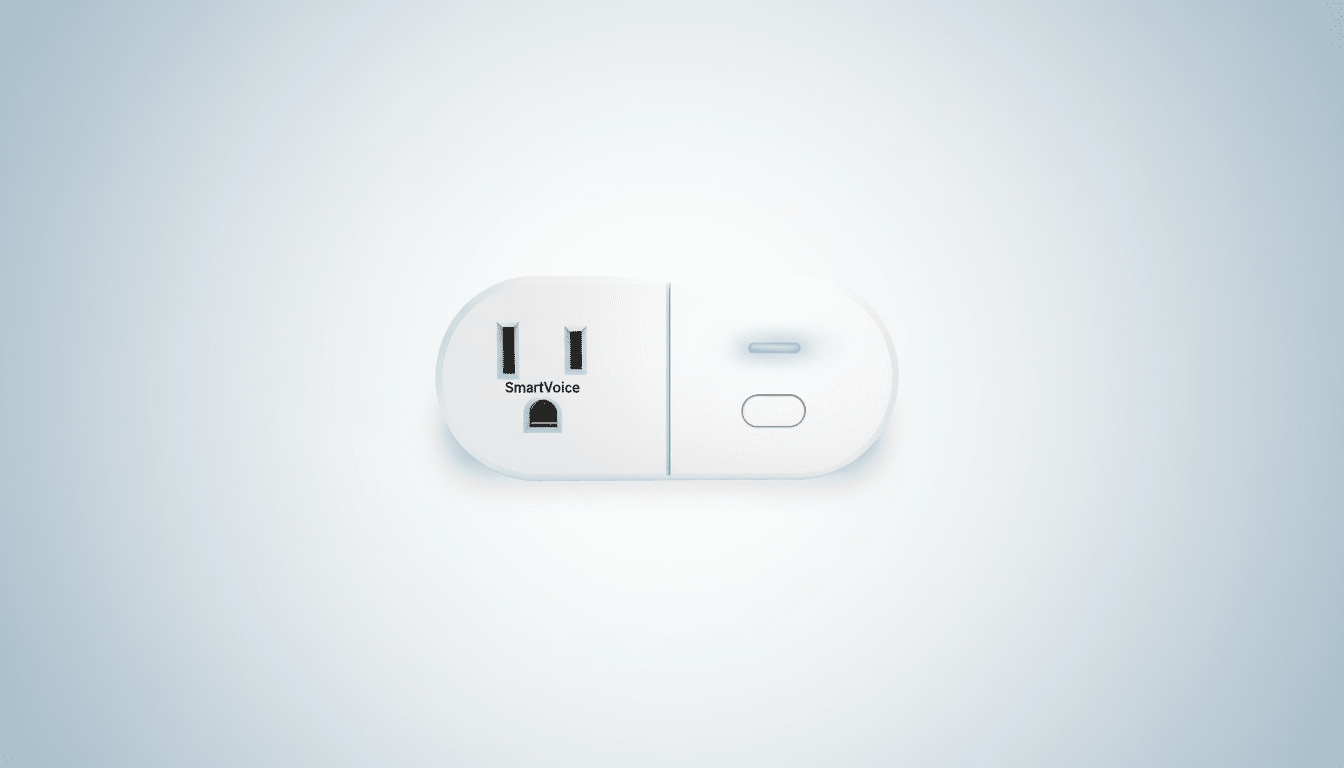
The lineup includes tower fans in 30-, 40-, and 42-inch sizes, fan heaters in 24- and 32-inch models, smart plugs and power strips, and air fryers at both the 5.3‑quart and 10‑quart size ranges. According to Emerson, while the air fryers respond to over 1,000 voice commands and offer more than 100 cooking presets, the other products respond to more than 40 commands. Tell it to “cook a baked potato,” and it preloads that mode with its correlating temperature and time right there.
Behind the curtain, offline voice usually depends on low-power neural accelerators or DSPs—think parts from names like Syntiant or Sensory—trained to recognize a tiny domain very well. That limited vocabulary is a feature, not a bug: fewer words mean quicker, more accurate recognition without the fat of the cloud.
Why cutting the cord on Wi‑Fi can benefit home devices
Households are filled with connected gear. The average number of connected devices per household in the U.S. has surpassed 20, according to Deloitte’s Connectivity & Mobile Trends report, a number that will only continue to rise. More than 40% of U.S. broadband households have at least one smart home device, according to Parks Associates. Add cameras, speakers, bulbs, locks and appliances and your router’s 2.4 GHz band can fill up quickly.
Where Matter or Thread aims to simplify setup and wean consumers off reliance on individual-brand hubs, they’re still built with the assumption that you have a networked home and, in many cases at least, some kind of border router. Emerson’s pitch, on the other hand, offers that for your fans, heaters and countertop cookers—everyday appliances where network connectivity might be overkill. Voice returns the one-button ease people wish they had from their “dumb” devices—without all the lost remotes.
Trade-offs and limitations of fully offline voice control
To cut the cord is to accept limitation. You won’t be able to check the status of or control devices when you’re away, and you can’t orchestrate routines across brands like you can with Alexa, Google Assistant or Apple Home. There’s not even an obvious route for firmware updates: Emerson will have to figure out how it wants to provide maintenance and security patches in an offline world, even if it involves simply slipping a USB drive into the device.
Voice accuracy depends on acoustics. You will find that the wake words can be overly generic (and you can accidentally activate them in places with a fan on high or a noisy kitchen) and you may need to repeat commands. Since each device has its own wake word, you miss out on some cross-talk but also give up the convenience of just one assistant name throughout your home.
One wishlist feature is local app control via Bluetooth for silent adjustments—such as turning down the heat in a baby’s room without waking them by speaking. That would maintain the offline pledge, while building in a layer of deniability.
Where this approach fits within today’s smart home
SmartVoice is a pragmatic middle way: smarter than a dumb appliance, lighter than a strictly connected device. For renters and those who value their privacy at home, particularly if accessibility favors voice as the best alternative to a tiny remote or app menu. And by eliminating the need for hubs and apps, it lowers much of the friction that often prevents people from using “smart” features after week one.
If Emerson can get wake-word accuracy right, offer sensible physical controls as a backup and lay out its maintenance roadmap, it may help spur appliance manufacturers to broaden their definition of what “smart” ought to entail. Not for every product does it have to live on your network in order to feel modern—and this line serves as a helpful reminder that intelligence at the edge can be simpler, not to mention more private.
