


After years of hopping across nearly every major and niche Linux distribution, one desktop keeps pulling me back for work, play, and everything in between. Elementary OS isn’t just polished; it’s purposeful. It’s the rare distro that feels designed, not assembled—a daily driver that puts clarity first without diluting power.
Why This Linux Distro Rises Above the Rest for Me
Elementary OS calls itself a thoughtful, capable, ethical replacement for proprietary desktops. That mission permeates the experience. Decisions are coherent rather than crowd-pleasing, and the OS respects the user from first boot—no bloat, no dark patterns, no detours. It’s opinionated in the right ways, which is exactly what many people want from their primary system.
- Why This Linux Distro Rises Above the Rest for Me
- Pantheon Puts Usability Before Flash and Distractions
- Performance You Can Feel Every Day on Real Hardware
- An Ethical App Ecosystem That Pays Developers
- Consistency Without Complacency Across Desktop Releases
- How It Compares to the Heavyweights in Linux Land
- Who Should Install It Next and What Users Benefit Most
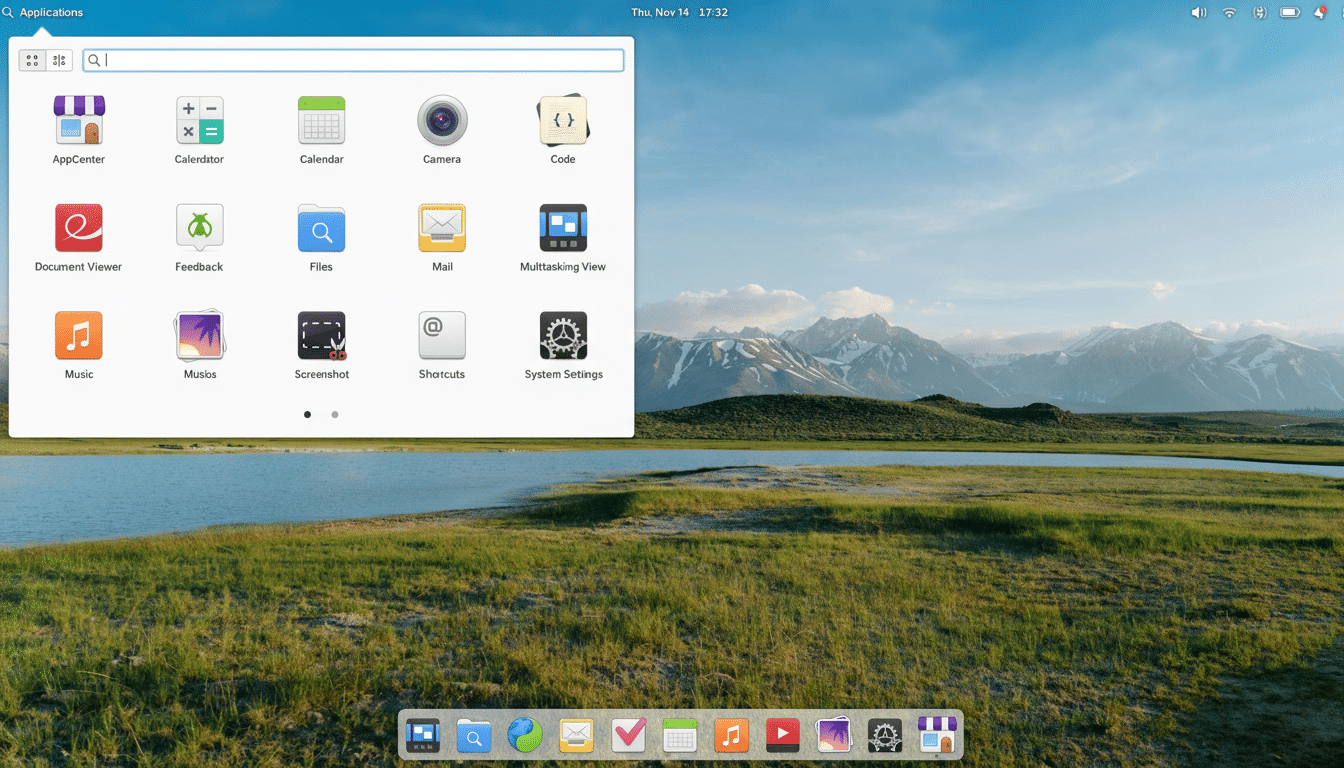
The team’s discipline shows up in small details: consistent UI language, sensible defaults, and a setup that gets you productive without a scavenger hunt through settings. For switchers arriving from Windows or macOS, that balance of familiarity and restraint lowers the learning curve dramatically.
Pantheon Puts Usability Before Flash and Distractions
Pantheon, elementary OS’s homegrown desktop, nails the dock-and-top-bar layout many users prefer, and it does so with a level of refinement that rivals commercial systems. Nothing screams for attention. Animations are tailored to communicate state, not to show off. Core apps share a common design language, so muscle memory builds fast.
There’s real UX thinking here. System settings are organized around tasks rather than arcane jargon. Notifications are deliberate and easy to quiet. The Files, Mail, and Music apps are lightweight but capable, and keyboard navigation is consistent. It’s the kind of environment where focus survives context switching.
Performance You Can Feel Every Day on Real Hardware
On my Ryzen 7 laptop with NVMe storage, elementary OS reliably launches to a ready desktop in a handful of seconds and idles under a gigabyte of RAM with the usual background services running. That’s not a benchmark to brag about—it’s the point. The system feels responsive, and it stays that way after weeks of uptime.
The Ubuntu LTS base under the hood keeps updates predictable and hardware support broad. That combination tends to reduce regressions, which is why I recommend it to people who need their machine to simply work. StatCounter has shown desktop Linux usage trending upward globally, and stability is one reason more users feel confident making the switch.
An Ethical App Ecosystem That Pays Developers
Elementary OS’s AppCenter embraces a pay-what-you-want model that respects both users and creators. Apps are Flatpak-based and sandboxed, a security posture aligned with guidance you’ll also hear from organizations like the Linux Foundation and the GNOME project. In practical terms, you get curated software that feels native, along with access to broader Flatpak repositories when you need specialized tools.
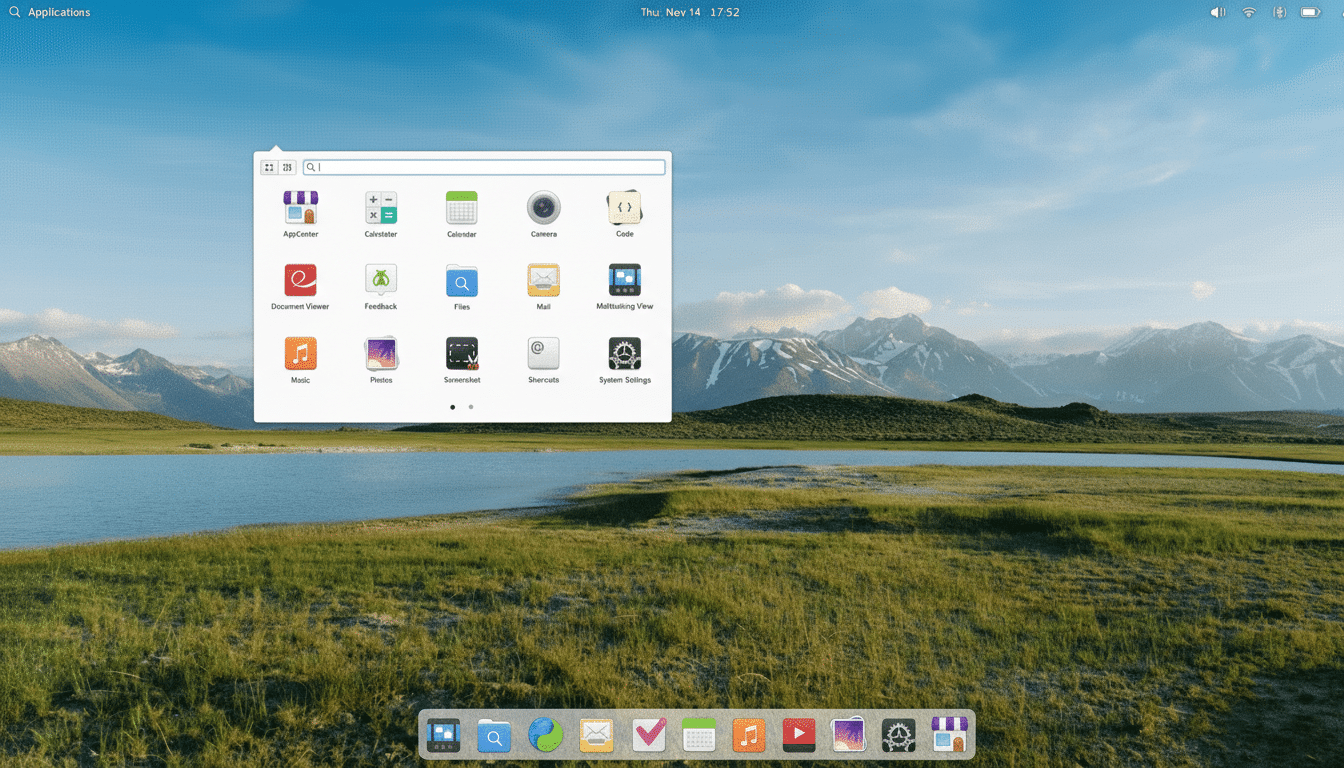
This model encourages quality over quantity. The result is a store where the top apps tend to be focused, well-designed, and respectful of your privacy. No accounts are required to use the OS, and there’s no adware lurking in system utilities—an increasingly rare stance in consumer computing.
Consistency Without Complacency Across Desktop Releases
Consistency is elementary OS’s superpower. The project has evolved without chasing trends or springing disruptive redesigns on its users. That matters. The GNOME 2 to GNOME 3 transition is a classic case study in how sudden shifts can alienate loyal communities. Elementary OS takes the opposite path: steady refinement, minimal surprises, and a UX you can count on month after month.
For people who live on their desktop all day, consistency reduces cognitive load. It also simplifies support for IT teams, classrooms, and households, where predictability is more valuable than a rotating carousel of features.
How It Compares to the Heavyweights in Linux Land
Ubuntu offers a vast ecosystem and Canonical’s take on GNOME; Fedora ships cutting-edge tech with Red Hat’s stewardship; KDE-focused distros deliver unmatched customization; Arch and Gentoo reward tinkerers who want everything their way. I use and admire them all. When I deploy on System76 hardware, Pop!_OS remains a strong default thanks to its hardware–software integration.
But for a machine I have to trust across writing, development, media work, and travel, elementary OS wins. It trades knobs and novelty for coherence and calm. It lets me get more done with fewer decisions—arguably the hardest trick in desktop computing.
Who Should Install It Next and What Users Benefit Most
If you’re new to Linux and want a system that feels familiar without being a clone, start here. If you’re a developer, the platform plays nicely with containerized tooling and popular IDEs, and the Stack Overflow Developer Survey has long reflected Linux’s strength as a coding environment. If you’re a creator, the focused app set and distraction-free design help you ship.
Elementary OS is my favorite not because it does everything, but because it does the important things—speed, stability, design, ethics—with uncommon maturity. After testing nearly every distro, that’s the one trait I’ve learned to prize above all: software that respects your time.
