


Dolphin just crossed a milestone that arcade preservationists and Nintendo historians have been waiting on for years: robust support for the TriForce platform, the GameCube-derived arcade hardware co-developed by Nintendo, Sega, and Namco. The reintegration of TriForce into Dolphin’s main codebase transforms once-fragile, experimental support into a practical way to play titles like F-Zero AX and Mario Kart Arcade GP at home—and even on Android.
Why the TriForce arcade platform still matters today
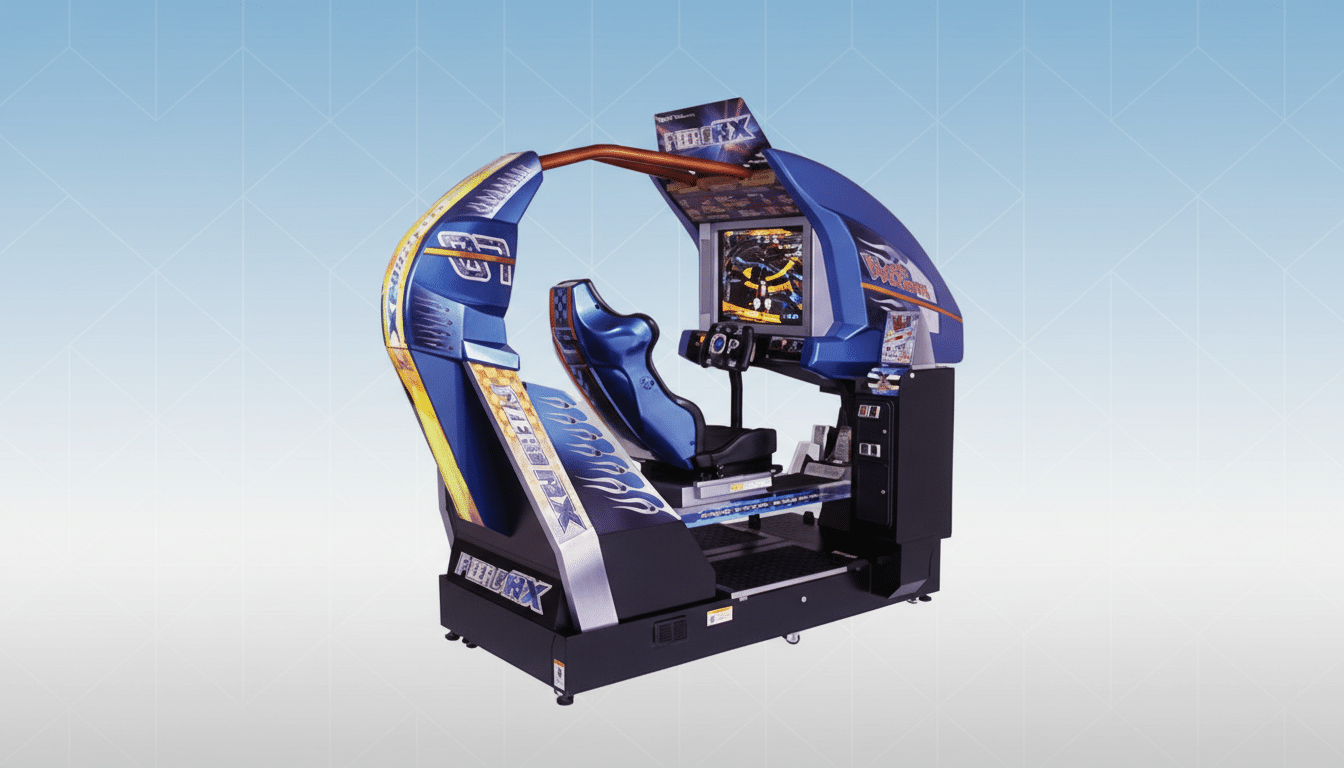
TriForce occupies a fascinating crossroads in early-2000s gaming. Built on GameCube architecture but outfitted for arcades, it married console-class rendering with arcade-specific I/O, networked cabinet play, and storage modules. While its library is small compared to consoles, it’s disproportionately influential: F-Zero AX delivered a blistering, cabinet-optimized companion to the GameCube’s F-Zero GX, and the Mario Kart Arcade GP entries offered a distinct, Namco-infused spin on Nintendo’s flagship racer.
- Why the TriForce arcade platform still matters today
- From forked builds to full reintegration in Dolphin
- Android support arrives early for TriForce in Dolphin
- Cabinet-to-cabinet networking recreated for linked play
- What still needs work before TriForce support feels complete
- Preservation and community impact of TriForce support
- Bottom line on Dolphin’s TriForce arcade support progress
From forked builds to full reintegration in Dolphin
For years, Dolphin’s approach to TriForce lived in a side branch, a tacit acknowledgment that the emulator’s GameCube and Wii focus didn’t cleanly map to arcade needs. The TriForce stack relies on different boot flows, specialized I/O boards, and network behaviors that don’t exist on consumer hardware. The Dolphin team’s latest development blog outlines a methodical cleanup of those legacy assumptions, leading to the confident move back into mainline. In practical terms, that means improved stability, fewer hacks, and broader access to the feature set across platforms.
Under the hood, this work touches the interaction layers that make arcades feel “alive”: cabinet inputs (including service and test modes), coin logic, timekeeping, and network sync. These were historically brittle or incomplete in emulation. Reintegration suggests Dolphin now handles these systems with enough fidelity to pass the sniff test for authentic behavior, while still benefiting from Dolphin’s modern enhancements like higher rendering resolutions and improved texture filtering.
Android support arrives early for TriForce in Dolphin
Perhaps the most surprising twist is how quickly this breakthrough is landing on Android. Dolphin’s maintainers note that mobile support is already working, albeit with a few rough edges. On-screen buttons for Coin, Test, and Service are not yet present, but there’s a clever stopgap: shake your phone to insert a credit. Some cabinet-specific options are currently hard-coded, which power users will want exposed later, but the baseline experience is here—and it’s already compelling on modern flagship chipsets.
Because TriForce is GameCube-adjacent, Dolphin’s performance optimizations carry over. Users can expect higher internal resolutions than original hardware, anisotropic filtering, and anti-aliasing, all of which help arcade racers and action games retain their adrenaline without the soft edges of early-2000s displays. The result is an experience that feels both faithful and pleasantly sharpened for contemporary screens.
Cabinet-to-cabinet networking recreated for linked play
The headline within the headline is networking. TriForce cabinets were designed for multi-unit setups—think linked Mario Kart battles across a row of machines. Emulating that distributed environment has been a longstanding challenge due to timing sensitivities and arcade-specific network protocols. Dolphin’s team says linked play is now functional, with a comprehensive setup guide on the way.
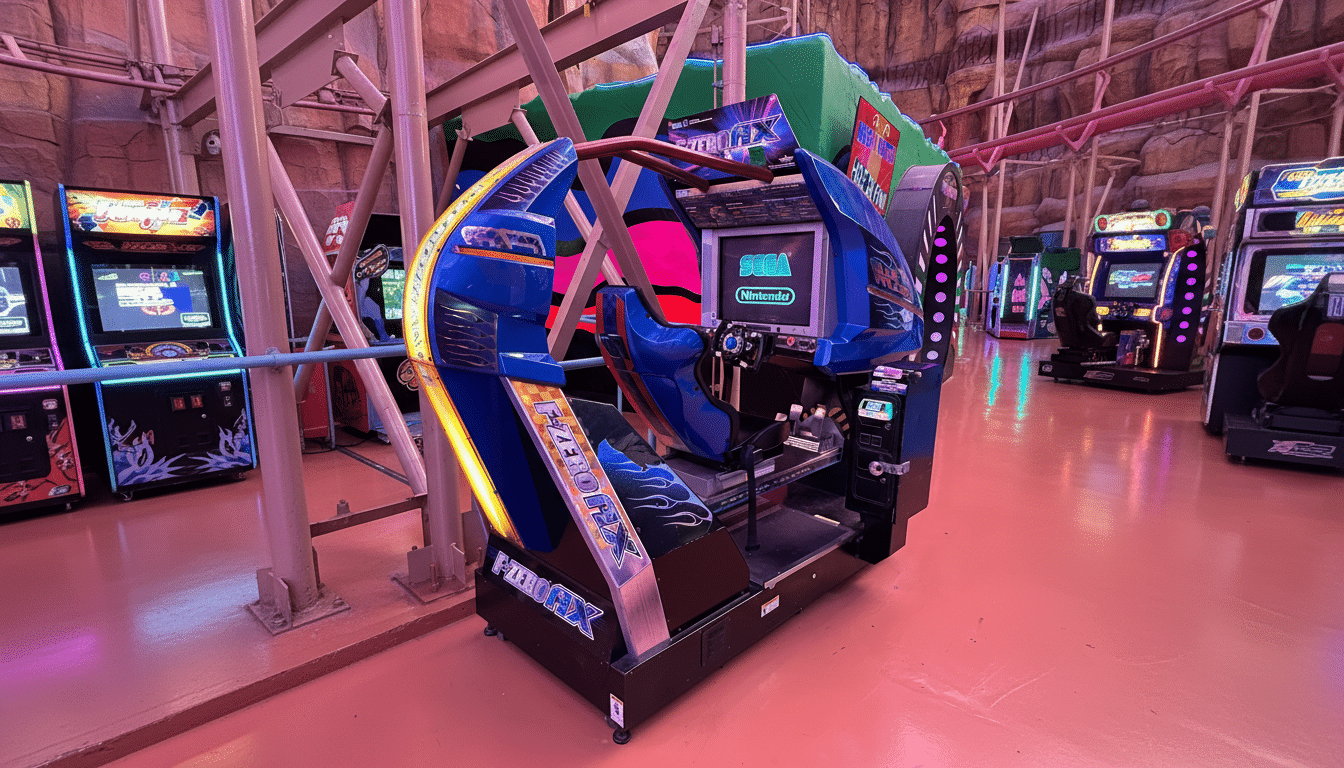
This unlocks authentic scenarios that arcade aficionados remember well: four or more “cabinets” (now, PCs or phones) linked on a local network, start lights blinking in unison, and synchronized races where latency tolerance is razor-thin. It’s a big step forward for community events and for researchers studying how these cabinets interacted in the field.
What still needs work before TriForce support feels complete
Arcade ecosystems aren’t just about video and input; they hinge on service controls, operator menus, and auxiliary hardware like card readers and specialized I/O. While coin and test functionality are present, quality-of-life improvements—customizable on-screen controls, per-game cabinet profiles, and streamlined network presets—are still on the roadmap. Features tied to proprietary peripherals, such as player data cards used by some TriForce titles, may require further research or community-driven implementations.
Preservation and community impact of TriForce support
This update resonates beyond hobbyist play. Organizations focused on game preservation, including the Video Game History Foundation and academic archives, have long argued that arcade titles are at heightened risk due to rare hardware and failing storage media. By modeling TriForce accurately and accessibly, Dolphin reduces the dependence on aging cabinets and helps ensure these games remain playable for researchers and fans alike.
There’s also untapped potential in cross-title features. On original hardware, F-Zero AX and F-Zero GX shared data in intriguing ways, and seeing those workflows faithfully mirrored could open new windows into how console and arcade teams collaborated. It’s another example of how emulator maturation can surface design stories that were previously locked inside proprietary systems.
Bottom line on Dolphin’s TriForce arcade support progress
Dolphin’s TriForce breakthrough isn’t a checkbox feature—it’s a meaningful expansion of what accurate, user-friendly arcade emulation can look like in 2026. With multi-cabinet networking, early Android support, and a cleaner foundation in mainline builds, some of Nintendo’s most elusive arcade experiences are finally within reach for a wide audience. The remaining polish is foreseeable, the community demand is obvious, and the preservation upside is enormous.
