


Is the new Big Bad of the Marvel Cinematic Universe going after its most junior heroes? Early hints from the Avengers: Doomsday teaser and The Fantastic Four: First Steps mid-credits stinger suggest a cold plan for Doctor Doom: grab power by kidnapping the next generation of superpowered kids.
The On-Screen Evidence Behind Doom’s Suspected Plan
The Fantastic Four: First Steps mid-credits scene brings Doom to one of his most intimate battlefields yet: the home of the Richards. His soft entry toward Franklin Richards — who, as mentioned in the film, is a reality-warping prodigy — serves not just as an ominous entrance. It’s a shot across Reed and Sue’s most treasured leverage point, and the MCU’s most volatile young power source.
- The On-Screen Evidence Behind Doom’s Suspected Plan
- Why Doom Would Want to Target or Murder Children
- Marvel’s Youth Wave Prepares the Scene for Doom
- Reading the Avengers: Doomsday Teaser Like a Strategist
- Comic Lore That Supports the Bet on Doom’s Tactics
- What to Watch for Next in Avengers: Doomsday Marketing
- The Bottom Line on Doom’s Plan and the MCU’s Future

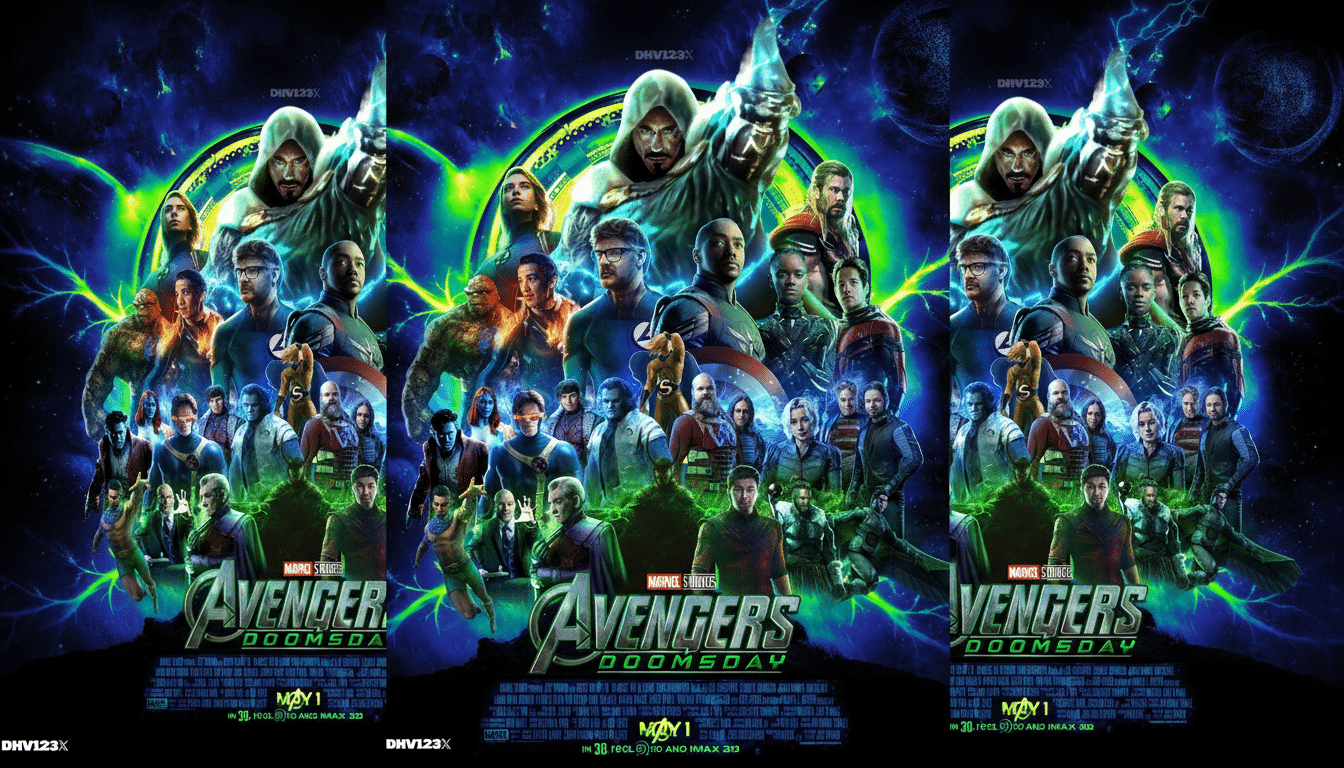
Then there’s the Avengers: Doomsday teaser, which throws in another piece of the puzzle: Steve Rogers is back on the field and a father. That single beat here recasts the narrative stakes. It’ll take a threat bigger than global domination to bring Cap back into action. Endangering his child — or, rather, the sense of doom that Doom is abducting and weaponizing superpowered children — would add a raw personal edge to the conflict well beyond what pure spectacle can offer.
Why Doom Would Want to Target or Murder Children
In the comics, Doom’s hang-ups about the Richards family and most of all godlike power often collide with children. Franklin Richards is canonically an omega-level reality manipulator: in storylines, Doom has attempted to destroy or exploit that potential while forging a chilly and cordial relationship with Valeria. Jonathan Hickman’s run on Fantastic Four solidified a classic Doom principle: control the future by controlling his heirs.
From a strategizer’s perspective, rounding up or coercing the MCU’s superpowered children is sophisticated-villain behavior. It kneecaps tomorrow’s heroes before they can assemble a team, it puts pressure on parents like Reed, Sue, and Steve to make world-changing compromises, and it gives Doom a living arsenal unique from any that could be obtained through artifacts or armies. And it suits his ego: leave it to a monarch as self-possessed as Doom to try to literally shape an era in his own image by shaping its children.
Marvel’s Youth Wave Prepares the Scene for Doom
Its most recent slate of films has been introducing legacy and young heroes at a rapid pace. We’ve already seen on the big screen visions of Wanda Maximoff’s kid twins Billy and Tommy, plus Kamala Khan, America Chavez, Kate Bishop, a fully suited Stature courtesy of Cassie Lang, Riri Williams (at least in spirit), Love, to go with Skaar and Toussaint. Post-credits tags alone have already shown several heirs and protégés, suggesting a deliberate pipeline to age up toward a next-gen roster.
That pattern matters. It is not only plausible, but efficient storytelling for a unifying threat that directly endangers those dozen-plus young players to loom large over the season. The introduction of a Doom campaign targeted at powered children seamlessly knots the Fab Four, former Avengers, and up-and-coming Young Avengers without a clumsy crossover bit. It is one problem, many stakeholders, and as much emotional torque as it has grams of mass.
Reading the Avengers: Doomsday Teaser Like a Strategist
Put the pieces together and you have a plausible story. Doom spies on, or kidnaps, the most powerful of children — Franklin at the head of that list — then seeks out others whose abilities connect them to dimensional travel, power sources, reality manipulation. America Chavez and Kamala Khan are on the fast track. What was once a newly paternal Steve Rogers, Reed and Sue, Carol Danvers, and Bruce Banner as mentors is now repeatedly thrown into reactive alliances.
There’s also tonal precedent. A villain plot in Thor: Love and Thunder revolved around the imprisoned children, and Guardians of the Galaxy Vol. 3 navigated harrowing themes of exploitation with care. Marvel has proven it can deal with peril to kids without playing it up for cheap heat — important if Avengers: Doomsday skews “protect the future” for its plot.
Comic Lore That Supports the Bet on Doom’s Tactics
Ultimately, Doom’s biggest triumphs in the comics tend to arise through asymmetrical warfare. In Secret Wars, he took it one step further and completely reimagined a new reality, making himself God to the Richards family until he lost control to their children’s potential. He’s weaponized bargains, oaths, and guardianship as often as he has Doombots. That context filmically allows a heelish pivot from Infinity Stones to vulnerable heirs to feel both thematically rich and character-true.
What to Watch for Next in Avengers: Doomsday Marketing
Watch how Franklin is framed in trailers, for instance, or any scenes that position groups of young heroes together — visual tells straight out of the protection-mission playbook. When you hear talk of “succession” or “legacy,” or “the world our children inherit,” that’s a surefire Doom plan and one with conquest less its aim than custodianship turned to control.
The Bottom Line on Doom’s Plan and the MCU’s Future
Doctor Doom versus all the super babies in Avengers: Doomsday? Not all, but the wise read is yes, he’s aiming at history’s most significant heirs and prodigies. The mid-credits interruption of Franklin and Steve’s fatherly turn in the teaser aren’t just two random touches of flourish; they’re strands of story bread that lead straight to a villain who only wins by owning tomorrow. If that’s the game, then the battle for the MCU’s future is, quite literally, about The Future.
