


The top portable power station deal at the moment is a $300 discount on the DJI Power 1000 V2, which pulls the price down to $399 and nudges a name‑brand one kilowatt‑hour unit into impulse‑buy range.
For households bracing for outages, road‑warriors, and creatives looking for solid AC power anywhere they can get access to a wall outlet, this is your rare opportunity to bank some serious capacity for less.
- What Makes This DJI Power 1000 V2 Deal Stand Out
- Power and Ports for Real-World Use and Flexibility
- Fast Recharge Times and Smart Power Management
- How It Compares to the Competition in the 1kWh Class
- Who Should Buy It and Who Should Look Elsewhere
- Purchase Notes, Availability, and Important Safety Tips
- Bottom Line: Value, Performance, and Use Cases
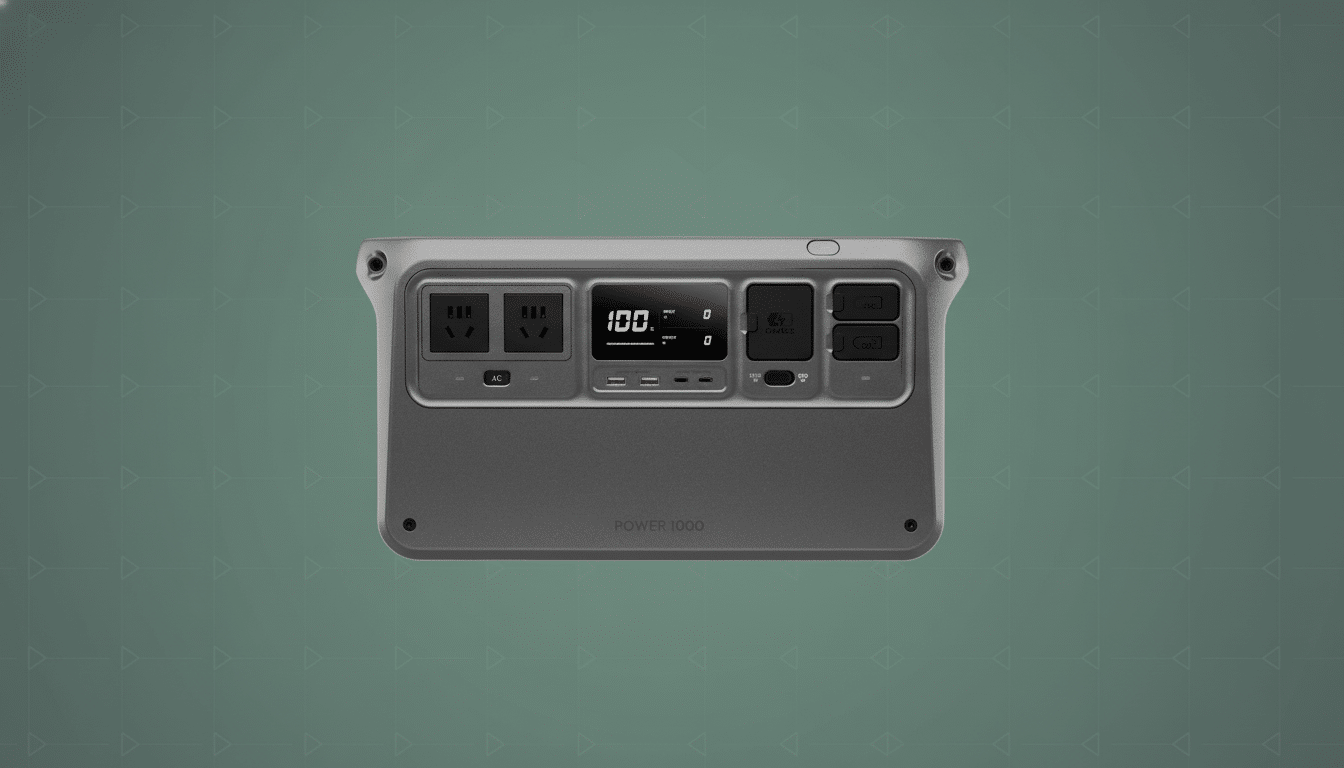
What Makes This DJI Power 1000 V2 Deal Stand Out
Priced at $399, the Power 1000 V2 is about $0.39 per watt‑hour, which puts it below a number of other 1kWh‑class stations that are often in the $0.60 to $1.00 range per watt‑hour.
At 43% off the regular $699 sticker, that makes for one of the most aggressive cuts we’ve seen on a current‑gen, full‑featured model from a top hardware brand.
Why it matters: Customers suffered multiple hours of average power interruptions annually, according to the U.S. Energy Information Administration, and extreme weather is a major factor. A portable power station spares you the fumes, noise, and hassles of a gas generator (which can be fatal if used incorrectly indoors, the Consumer Product Safety Commission warns).
Power and Ports for Real-World Use and Flexibility
The DJI Power 1000 V2 combines a 1,024Wh battery with a rated 2,600W output, enough to provide some headroom to start and keep going most household appliances within reason. It clocks in at 31 pounds, so it’s easily movable without being dainty and is constructed to be a single‑box solution rather than a modular stack.
Connectivity is generous: four AC ports for appliances and tools, two USB‑A for your older devices, a pair of 140W USB‑C for fast laptop and camera charging, and two S‑DC ports push out to compatible gear. That mashup could be a kitchen refrigerator without power after an outage, a workstation on the set of a film, or a campsite loaded with laptops, cameras, and routers.
For expectations, DJI’s own estimates look for 57 phone recharges or, for a Wi‑Fi router, about 77 hours. The fridge can hold a set temperature for a long period of time depending on the efficiency and duty cycle. Real‑world run times will depend on inverter losses, temperature, and how frequently compressors or heating elements cycle, but 1kWh is a tried‑and‑tested sweet spot for home backup essentials.
Fast Recharge Times and Smart Power Management
Speed is one headlining upgrade in the V2 model. The unit, DJI says, recharges from empty to 80 percent in 37 minutes and then hits a full recharge of the battery around 56 minutes after plugging into the wall. Fast turnarounds count when you’re on a rolling blackout or topping off between shoots, shifts, or trips to the campsite.
Fast charging also serves to decrease the planning friction: It is possible to run the fridge and networking gear safely, take opportunistic advantage of filling up, then refill over lunch without waiting half a day. For solar or car charging, look at DJI’s spec sheet and how many watts your panel or car are capable of because those sources usually charge slower than wall AC.
How It Compares to the Competition in the 1kWh Class
If you’re craving pure power, notable competitors in the 1kWh category include rivals like the EcoFlow Delta 2 and Jackery Explorer 1000 Plus. These units often retail for between $600 and $1,000 (depending on package deals and promos), with inverter outputs typically in the 1,500W to 1,800W range — along with some fast‑charge capabilities that can drop times down to close to one hour under ideal conditions.
Key selling points of the DJI Power 1000 V2 are its ballsy 2,600W rating and impressively fast wall recharge. If your load tendencies nudge toward high‑draw items such as space heaters, hot plates, hair dryers, or power tools, the surplus of inverter headroom could be the difference between hitting a limit and running quietly along; however, sustained runtimes are still going to be capped by that 1,024Wh capacity.
Who Should Buy It and Who Should Look Elsewhere
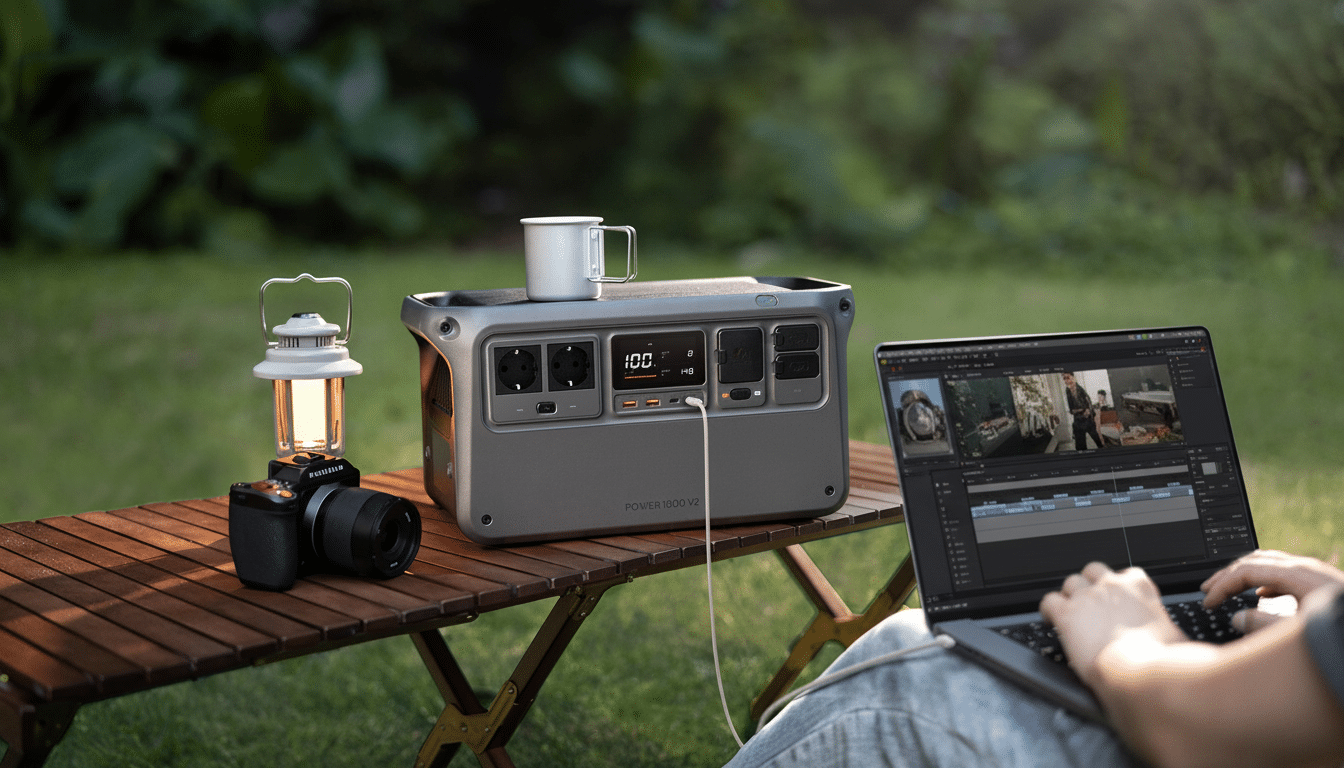
Homeowners who have a deep affinity for storm insurance will like that a 1kWh station might keep a refrigerator cycling, phones charged, lights on, and internet up during the average short‑duration outage. Remote workers and students add a silent UPS‑style buffer for laptops and networking, while campers/vanlifers add clean AC without clashing with your campground’s generator.
Creators are a good fit, particularly for those already in the DJI ecosystem who charge cameras, drones, and laptops on location. Two high‑wattage USB‑C ports along with plenty of AC outlets help to minimize the need for unwieldy power strips and separate chargers.
Purchase Notes, Availability, and Important Safety Tips
The $399 deal represents a $300 savings with an on‑page coupon at Amazon, and availability does shuffle around frequently. Check what is in the box and look up rated outputs for each port, as well as any solar or car charging accessories you might need.
Like any portable power station, operate in a dry space with plenty of ventilation, don’t overload the inverter, and heed the manufacturer’s rules for storage and temperature. Unlike gas generators, battery stations can be safely used indoors because they produce no exhaust — a key point highlighted by public safety agencies every storm season.
Bottom Line: Value, Performance, and Use Cases
Priced at 43% off, the DJI Power 1000 V2 is all about getting a huge fast recharge for the top‑money dollar — delivering something that’s big on both capacity and high output from your inverter, and costs… well, just $399 to be exact.
If you’ve been looking for a best‑in‑class portable power station to help shore up home backup or supercharge your mobile workflow, this is it.
