


Disney is poised to let licensors produce AI-generated videos of its classic characters in early 2026, a significant turnabout for how one of the world’s richest troves of entertainment content is approaching generative technology. The rollout is underpinned by a new partnership with OpenAI that will grant ChatGPT Images and Sora the ability to create with characters, props, and settings from franchises like Pixar, Marvel, and Star Wars — but under tight guardrails.
As part of the deal, Disney has agreed to make an equity investment of around $1 billion in OpenAI and has the opportunity to invest more. The deal also opens a path for curated AI-powered shorts and novel formats to appear within the Disney+ app, indicating that the company views AI not just as a legal risk to mitigate but also as a creative canvas to influence on its terms.
- What the Disney–OpenAI deal does and doesn’t cover
- Why Disney is opening the gate to licensed AI now
- What it means for Disney+ and creators using AI tools
- Labor and legal guardrails still apply to AI content
- The competitive landscape among licensed AI platforms
- What to watch next as Disney’s licensed AI program rolls out
What the Disney–OpenAI deal does and doesn’t cover
OpenAI’s models are about to be allowed to depict branded characters and settings — on sight, it might look something like a Sora-conjured vignette set in Andy’s room from Toy Story or an illustrated Captain America walking the beat in Brooklyn. The guardrails, though, are explicit: no reproductions of people’s talent likenesses or their voices. No Robert Downey Jr. as Iron Man, no Harrison Ford as Indiana Jones — even if an AI could conjure up the broader universe in which those characters live or what they fundamentally stand for.
The distinction matters. It’s a reflection of the film industry coming to terms with the fact that IP rights over characters and human identities are two different things, requiring separate licensing schemes, consent frameworks, and compensation standards. Plan for “illustrated” or stylized renditions of live-action heroes, while photorealistic depictions of actors are still off limits without additional deals.
The key engine here is OpenAI’s Sora, which can produce videos up to about one minute. Combined with ChatGPT Images, users and professionals will be able to create shorts, animatics, or concept pieces more accurate to Disney’s canon than unlicensed tools currently allow.
Why Disney is opening the gate to licensed AI now
Disney has spent the last year clamping down on unauthorized AI, suing an image generator for alleged contribution to unauthorized depictions of its characters and sending cease-and-desist letters to chatbots that used its IP. This is a reversal that, instead of engaging in whack-a-mole and the game of cat-and-mouse with pirates or bootleggers, directs demand into a licensed pipeline where there are clearer rules, control, and monetization.
It’s also a defensive play. By putting AI content creation under one contract, Disney can harden safety systems and enforce policies and provenance on published output. In a world where AI content is exploding and becoming better quality, the brand differentiation advantage lies in experiences that are genuine, authorized, and trackable back to the rights holder.
What it means for Disney+ and creators using AI tools
Disney has stated that a “select few” Sora-made pieces will resurface on Disney+, calling it “new experiences” rather than replacement programming. “Probably bite-size interstitials, interactive moments or behind-the-scenes featurettes of how A.I. helps previsualization and world-building,” he said in an email message (unsurprisingly, more additive than canonical).
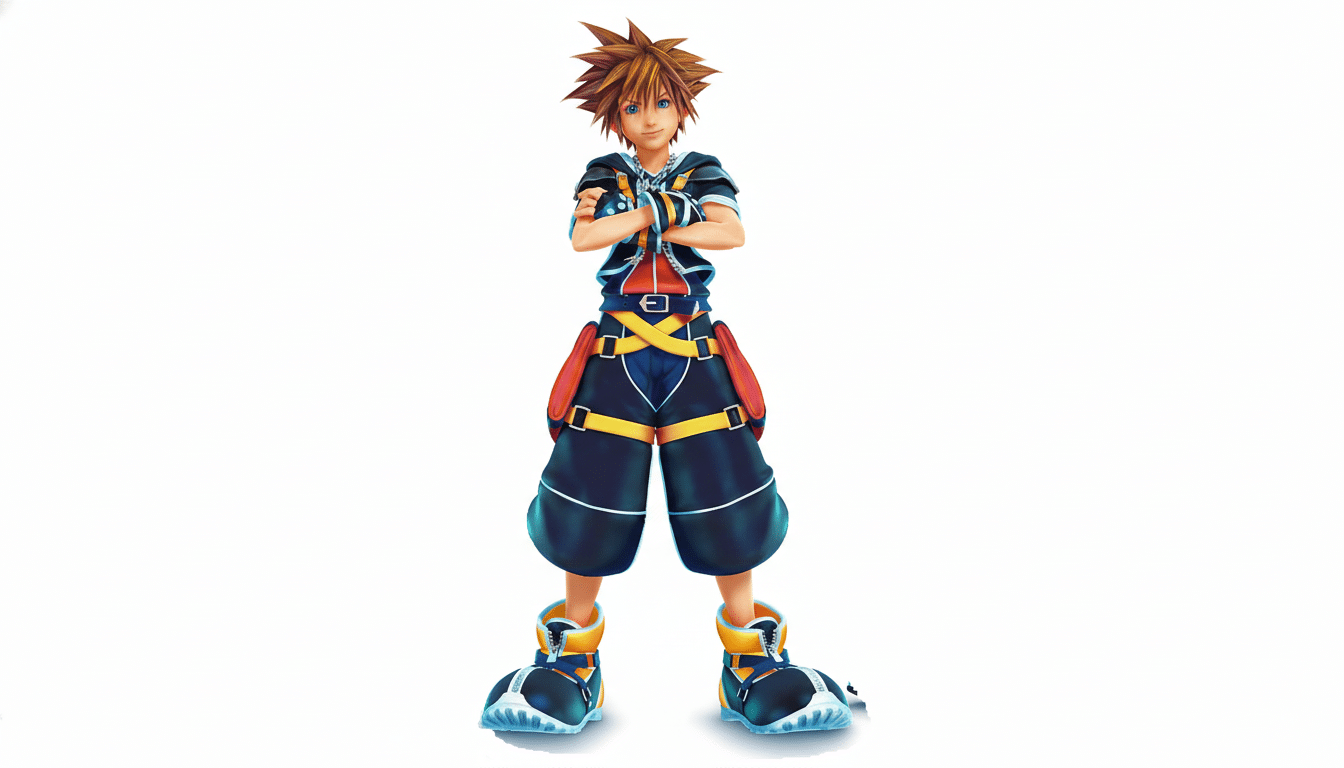
In other words, for creators both inside Disney and its partner studios, Sora could potentially shrink preproduction times to transform storyboard silhouettes into moving shots in hours instead of weeks. It is a tool of iteration, not a one-stop internment camp for animators or VFX artists. You can expect to see strong review workflows, human oversight, and clear labels. The biggest media companies are also experimenting with content provenance systems like C2PA to encode tamper-evident metadata into assets; Disney has a powerful reason to implement such measures: clearly demarcating its legitimate outputs from forgeries.
Labor and legal guardrails still apply to AI content
Talent rights are still a red line. New entertainment union agreements are now emphasizing the concepts of informed consent and compensation whenever AI begins to address an entertainer’s likeness or voice. The SAG-AFTRA deal was approved with 78.33% approval and created parameters for digital doubles — guidelines that are mirrored in Disney’s carve-outs here.
On the regulatory front, the U.S. Copyright Office is further clarifying guidance on AI-generated work, and transparency provisions within forthcoming frameworks, such as the EU’s AI Act, are pushing platforms toward disclosure. Models that encode attribution, permissions, and safety filtering into licenses can more efficiently traverse these contours than open-ended scraping regimes.
The competitive landscape among licensed AI platforms
The majority of mainstream AI systems censor prompts that ask for copyrighted characters, policies are inconsistent, enforcement is haphazard, and workarounds aplenty. A licensed approach might reset expectations: creators have access to cherished universes without venturing into legal gray areas, while Disney defines the terms — rate limits, age-appropriateness, and content boundaries — baked in.
The $1 billion bet also more closely aligns incentives. Because it has skin in OpenAI’s success, Disney can influence product roadmaps around topics that matter more to studios than to generic consumer apps: brand safety, watermarking, and rights management. If effective, competitors will follow suit until IP catalogs become walled-off and monetizable AI fiefdoms.
What to watch next as Disney’s licensed AI program rolls out
Key milestones are early creator pilots, safety audits, and the first Disney+ experiments featuring Sora-assisted shorts.
Look out for granular licensing tiers — commercial versus personal use, education programs, professional toolchains — as well as details on provenance metadata and labeling. The takeaway is plain: by 2026, it will not merely be possible for cheapjack AI vids of Disney’s characters to exist; such work will likely even be allowed, monitored, and pretty damn popular.
