


Finding the right perfume online in Canada might seem a bit tricky, right? You can’t just walk into a store and give a few sprays a go. But honestly, with a little know-how, you can totally nail it. It’s all about understanding what makes a scent tick and knowing what you’re looking for. This guide is here to help you sort through all the options and pick a fragrance that feels just right for you, whether you’re treating yourself or looking for a gift.
Key Takeaways
- Understanding fragrance notes (top, middle, base) helps you predict how a scent will change over time on your skin.
- Identifying your preferred fragrance family (floral, woody, citrus, etc.) is a great starting point for online perfume shopping in Canada.
- Concentration levels like Eau de Parfum and Eau de Toilette affect how long a scent lasts and its intensity.
- Reading customer reviews and product descriptions can give you insights into a perfume’s longevity and overall smell.
- Testing perfumes through samples or smaller sizes before committing to a full bottle is a smart way to avoid disappointment.
1. Understanding Fragrance Notes
So, you’re looking to buy perfume online in Canada, but how do you pick a scent without actually smelling it first? It can feel a bit like a gamble, right? Well, the secret lies in understanding what makes up a fragrance: its notes. Think of perfume like a symphony, with different scents playing their part at different times.
- 1. Understanding Fragrance Notes
- 2. Identifying Fragrance Families
- 3. Deciding on Concentration Levels
- 4. Reading Customer Reviews
- 5. Testing Perfumes with Samples
- 6. Considering Perfume Strengths
- 7. Exploring Floral Scents
- 8. Discovering Citrus Scents
- 9. Embracing Fruity Scents
- 10. Exploring Woody Scents
- 11. Investigating Spicy Scents
- 12. Understanding Gourmand Scents
- 13. Learning About Musky Scents
- 14. Choosing Perfumes for Occasions
- 15. Selecting Daily Wear Fragrances
- 16. Finding Romantic Evening Scents
- 17. Picking Fall and Winter Fragrances
- 18. Selecting Spring and Summer Perfumes
- 19. Choosing Office and Professional Scents
- 20. Finding Casual Daily Wear Scents
- 21. Selecting Evening and Date Night Scents
- 22. Identifying Cold Weather Fragrances
- 23. Researching Perfume Brands
- 24. Understanding Eau de Toilette
- 25. Understanding Eau de Parfum and more
- Frequently Asked Questions
- What are fragrance notes and how do they work?
- What’s the difference between Eau de Parfum, Eau de Toilette, and Cologne?
- How can I tell if a perfume will suit me if I buy it online?
- What are fragrance families and why do they matter?
- Should I choose a strong or light perfume?
- How do I pick a perfume for a specific occasion?
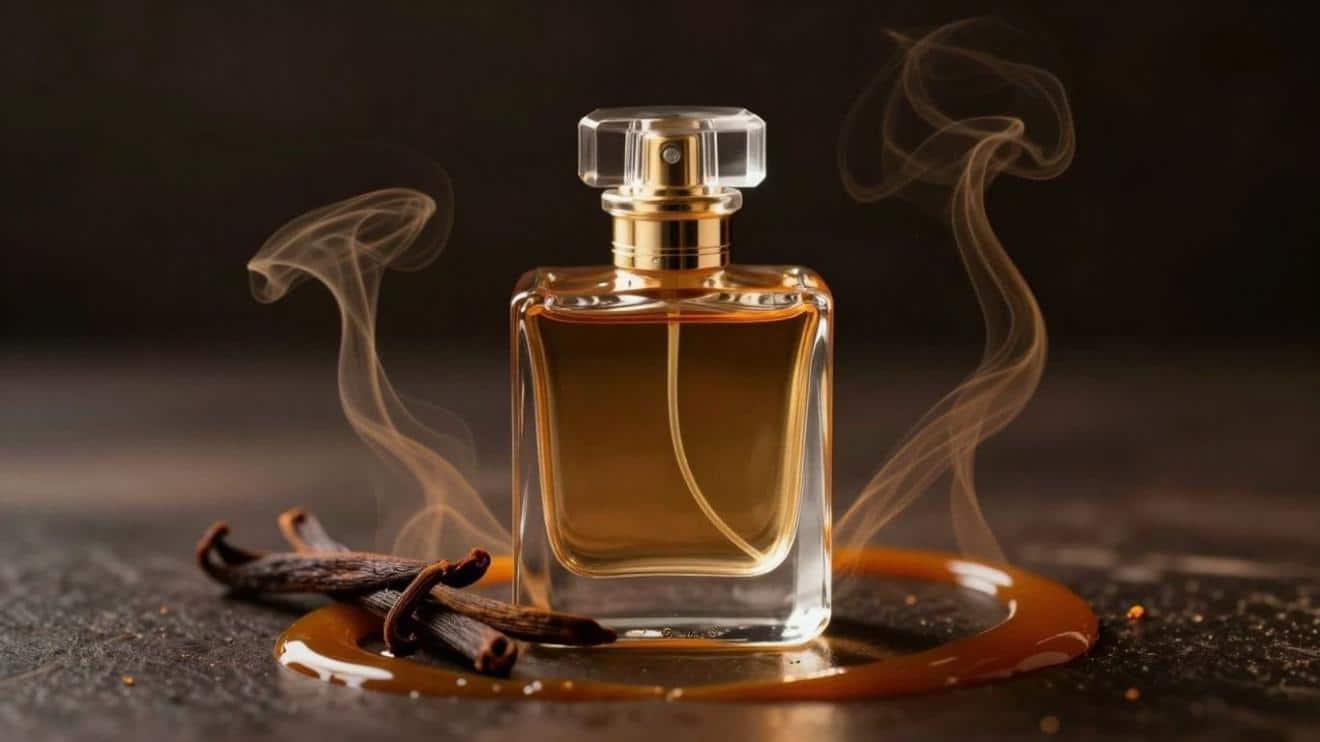
Perfume notes are the building blocks of a scent, unfolding in stages after you apply it. They’re typically broken down into three categories:
- Top Notes: These are the first scents you notice right after spraying. They’re usually light and fresh, like citrus or herbs, and they fade pretty quickly, often within 10 to 30 minutes. They make that initial impression.
- Middle Notes (or Heart Notes): Once the top notes disappear, the heart notes take over. This is the main character of the perfume, and it usually lasts for a few hours. Think florals, spices, or more aromatic scents here.
- Base Notes: These are the deep, lingering scents that form the foundation of the perfume. They come out as the middle notes fade and can last for many hours, sometimes even a full day. Warm notes like vanilla, musk, amber, and woods are common here.
Understanding these layers helps you predict how a perfume will smell on your skin over time. If you want a fragrance that sticks around, keep an eye out for prominent base notes like sandalwood, vanilla, or patchouli.
Knowing the notes helps you imagine the scent’s journey on your skin, from that first bright burst to the lingering warmth. It’s like reading the ingredients list for a delicious meal – it gives you a good idea of the final taste.
2. Identifying Fragrance Families
Think of fragrance families like different groups of scents that share similar characteristics. Knowing these families is a super helpful way to figure out what kind of perfumes you might like, even if you haven’t smelled them before. It’s like knowing you prefer sweet over savory food – it gives you a starting point.
Understanding these categories helps you find perfumes similar to ones you already love.
Here are some of the main fragrance families you’ll come across:
- Floral: These scents are all about flowers. Think roses, jasmine, lilies, or even more delicate blossoms. They can range from light and airy to rich and romantic, often feeling very feminine.
- Fruity: If you like sweet, juicy smells, this family is for you. Notes like berries, peaches, apples, or even tropical fruits like mango and coconut fall into this group. They tend to be playful and uplifting.
- Woody: These fragrances are warm, earthy, and often sophisticated. They use notes like sandalwood, cedarwood, patchouli, or even the scent of moss. Woody scents can feel grounding and are often unisex.
- Fresh/Citrus: These are clean, bright, and energizing scents. Think lemons, oranges, bergamot, or even notes like sea salt or fresh herbs. They’re great for feeling awake and revitalized.
- Spicy/Oriental: These scents are bold, warm, and sometimes a bit exotic. They use spices like cinnamon, clove, pepper, or cardamom, often mixed with notes like amber or vanilla. They can feel mysterious and inviting.
- Gourmand: This family is all about delicious, edible smells. Imagine vanilla, caramel, chocolate, coffee, or honey. These scents are cozy and comforting, like a sweet treat.
- Musky/Powdery: These fragrances often have a soft, clean, and elegant feel. They can include notes like musk, iris, or violet, giving a smooth, sometimes vintage-like quality.
When you’re browsing online, looking at the fragrance family listed for a perfume can give you a really good idea of its overall character before you even read the specific notes. It’s a quick way to sort through the options.
3. Deciding on Concentration Levels
When you’re shopping for perfume online, you’ll notice different terms like Eau de Parfum, Eau de Toilette, and Parfum. These aren’t just fancy names; they actually tell you how concentrated the fragrance oils are. This concentration is a big deal because it affects how strong the scent is and how long it lasts on your skin. Understanding these levels is key to finding a fragrance that fits your day and your nose.
Think of it like this:
- Parfum (or Perfume): This is the most concentrated stuff, usually with 20-40% fragrance oil. It’s the powerhouse, designed to last all day, sometimes 8 hours or even more, with just one spritz. Because it’s so potent, a little goes a long way, and it often comes with a higher price tag.
- Eau de Parfum (EDP): This is a popular choice, typically containing 15-20% fragrance oil. It’s a good middle ground, offering a noticeable scent that can last for about 4-6 hours. It’s less intense than Parfum but still provides good staying power for most of the day.
- Eau de Toilette (EDT): With about 5-15% fragrance oil, EDT is lighter and often more affordable. It’s great for everyday wear when you don’t want something too overpowering. You might need to reapply it after a few hours, maybe 3-4 hours, to keep the scent going.
- Eau de Cologne (EDC): This is the lightest option, usually around 2-4% fragrance oil. It’s very subtle and refreshing, perfect for a quick pick-me-up, but it fades fast, often within 2-3 hours. It’s a good way to try out a scent without a big commitment.
Here’s a quick rundown:
| Concentration | Oil Percentage | Typical Longevity |
|---|---|---|
| Parfum/Extrait | 20-40% | 8+ hours |
| Eau de Parfum (EDP) | 15-20% | 4-6 hours |
| Eau de Toilette (EDT) | 5-15% | 3-4 hours |
| Eau de Cologne (EDC) | 2-4% | 2-3 hours |
So, if you want a scent that sticks around from your morning coffee to your evening plans, you’ll probably want to look at Eau de Parfum or Parfum. If you prefer something lighter for casual wear or don’t mind reapplying, Eau de Toilette or Eau de Cologne could be your go-to. It really comes down to personal preference and how you plan to wear your chosen fragrance oils.
Choosing the right concentration means you get the scent experience you’re looking for, whether that’s a subtle whisper or a confident statement that lasts.
4. Reading Customer Reviews
When you’re shopping for perfume online in Canada, you can’t just spritz a tester bottle and see how it feels on your skin. That’s where customer reviews really come in handy. Think of them as your virtual perfume counter.
People often describe how a scent actually smells on them, not just what the notes list says. This is super important because a fragrance can smell totally different on one person’s skin chemistry than another’s. You’ll find out if it’s too strong, too weak, or if it changes into something unexpected after a few hours. It’s like getting advice from a friend who’s already tried it.
Here’s what to look for:
- Longevity: Does it last all day, or does it fade after an hour?
- Sillage: Is it a subtle scent that only someone close can smell, or does it fill the room?
- Scent Evolution: How does it change from the first spray to the dry down? Does it become sweeter, woodier, or something else?
- Occasion Appropriateness: Do reviewers mention wearing it for work, a date, or casual outings?
Pay attention to recurring comments. If multiple people say a perfume smells like old books or fresh laundry, that’s a pretty good clue about its actual scent profile. Don’t just look at the star rating; read what people are actually saying.
Sometimes, you’ll see comparisons to other popular perfumes. This can be a great shortcut if you already know and love a certain scent. It gives you a general idea of the vibe the new fragrance is going for. Just remember, everyone’s nose is a little different, so take it all with a grain of salt, but reviews are definitely your best friend when buying blind.
5. Testing Perfumes with Samples
Okay, so you’ve done your homework, read up on notes and families, and maybe even narrowed down your choices. But how do you really know if a perfume is ‘the one’ before you commit to a full bottle? This is where samples come in, and honestly, they’re a lifesaver for online perfume shopping.
The best way to test a fragrance is to actually wear it for a bit. Spraying it on a card at the store is one thing, but how it smells on your skin, throughout the day, is what really matters. Your body chemistry can change a scent quite a bit, so what smells amazing on someone else might be totally different on you.
Here’s a quick rundown on how to make the most of samples:
- Get a Variety: Don’t just grab one sample. If you’re eyeing a few different scents, try to get samples of all of them. This lets you compare them side-by-side over a few days.
- Wear Them Out: Don’t just test them at home. Wear a sample out and about. See how it performs during your daily activities, whether you’re running errands or meeting friends. Does it get you compliments? Does it fade too quickly?
- Check the Longevity: Pay attention to how long the scent lasts. Some might smell great for an hour and then disappear, while others stick around all day. This is where understanding concentration levels (like Eau de Toilette vs. Eau de Parfum) really helps.
Many online stores, offer individual perfume samples or even curated sample sets. It’s a small investment that can save you from buying a full-sized bottle you end up not liking. Think of it as a perfume tasting before you buy the whole meal!
6. Considering Perfume Strengths
When you’re picking out a perfume online, it’s not just about the smell itself, but also how long that smell sticks around. This is where perfume strength, or concentration, comes into play. Think of it like the difference between a light spritz and a deep, rich aroma. The concentration level tells you how much actual perfume oil is mixed with alcohol and water.
Generally, you’ll see a few main types:
- Pure Parfum (or Extrait de Parfum): This is the heavyweight champion. It has the highest concentration of perfume oils, usually between 30-40%. Because it’s so concentrated, a little goes a long way, and it can easily last 8 hours or more on your skin. It’s often richer and more luxurious, but also pricier.
- Eau de Parfum (EDP): This is a really popular choice for a reason. With about 15-20% perfume oil, it offers a good balance. It lasts a solid 4-5 hours, making it great for daily wear without being overpowering. It’s less intense than pure parfum but still has good staying power.
- Eau de Toilette (EDT): This is lighter, typically with 5-15% perfume oil. It’s a good option if you prefer a more subtle scent that doesn’t last quite as long, usually around 2-3 hours. It’s often a bit more affordable and great for warmer weather or when you don’t want your fragrance to be the main event.
- Eau de Cologne (EDC): The lightest of the bunch, with only 2-4% perfume oil. These are super refreshing and meant for a quick burst of scent, lasting maybe an hour or two. Think of them as a pick-me-up.
Choosing the right strength means you’re not just buying a scent, but also deciding how it will perform throughout your day. If you want a fragrance that lasts from your morning coffee to your evening plans, you’ll want to lean towards higher concentrations like Eau de Parfum or Pure Parfum. For a lighter, more casual feel, Eau de Toilette or Eau de Cologne might be more your speed.
7. Exploring Floral Scents
Floral scents are a classic for a reason. They’re the go-to for anyone who loves the smell of a blooming garden or a fresh bouquet. Think of the delicate aroma of roses, the sweet perfume of jasmine, or the lush scent of lilies. These fragrances often feel romantic and feminine, making them a popular choice for special occasions or just when you want to feel a bit more put-together.
Floral perfumes can really vary, though. Some are light and airy, like a gentle spring breeze, while others are richer and more intense, like a walk through a dense garden after a rain shower. You can even find floral scents that have a modern twist, sometimes blended with fruity notes for a fresh, vibrant feel, or with woody undertones for added depth. It’s all about finding that perfect bloom that speaks to you.
Here are some common floral notes you might encounter:
- Rose
- Jasmine
- Lily of the Valley
- Peony
- Gardenia
- Orange Blossom
When you’re looking at floral fragrances online, pay attention to the descriptions. They’ll often tell you if it’s a single floral scent (soliflore) or a blend of many different flowers. Sometimes, they’ll mention if there are other notes mixed in, like citrus or woods, which can change the whole vibe of the perfume. It’s worth checking out artisanal botanical perfumes if you’re curious about unique, natural interpretations of floral notes.
8. Discovering Citrus Scents
If you’re looking for a scent that feels bright and invigorating, citrus fragrances are definitely worth exploring. They’re like a burst of sunshine in a bottle, perfect for lifting your mood and making you feel refreshed. Think of the zesty tang of a lemon, the sweet peel of an orange, or the slightly tart grapefruit – these are the kinds of notes that make up this vibrant category.
Citrus scents are fantastic for everyday wear, especially if you spend a lot of time outdoors or just enjoy that clean, crisp feeling. They often blend well with other notes, too. You might find them paired with fresh herbs, a hint of sea salt, or even the smell of freshly cut grass, which just adds to that overall airy and energetic vibe. They’re a go-to for feeling awake and ready to take on the day.
Here are some common citrus notes you’ll often find:
- Lemon
- Bergamot
- Grapefruit
- Orange Blossom
- Lime
These fragrances tend to be lighter, which means they might not last as long as heavier scents, but their refreshing quality is hard to beat for a quick pick-me-up.
9. Embracing Fruity Scents
Fruity scents are like a burst of sunshine in a bottle, perfect for when you want to feel cheerful and vibrant. Think of juicy berries, crisp apples, or sweet peaches – these notes bring a playful and youthful energy to any fragrance. They’re fantastic for daytime wear, especially during warmer months, and can instantly lift your mood.
These fragrances often evoke feelings of summer and carefree days. They can be worn alone for a light and refreshing experience, or you can get creative and layer them with other scent families. For instance, pairing a fruity top note with a woody base can add a sophisticated depth, making the scent more complex and intriguing. It’s a great way to customize your signature smell.
Here are some common fruity notes you might encounter:
- Berries (strawberry, raspberry, blueberry)
- Citrus (orange, grapefruit, lemon – though often categorized separately, they share a bright, zesty quality)
- Stone Fruits (peach, plum, cherry)
- Tropical Fruits (mango, pineapple, coconut)
Fruity perfumes are a wonderful choice if you’re looking for something that feels light, uplifting, and a little bit sweet. They’re generally easy to wear and can make you feel instantly more energetic and happy. Don’t be afraid to experiment with different combinations to find what works best for you.
10. Exploring Woody Scents
Woody fragrances are like a warm hug for your senses, often bringing to mind the comforting smell of a forest after rain or the rich aroma of aged wood. These scents are incredibly versatile, leaning towards being unisex and suitable for a wide range of occasions. They can evoke feelings of groundedness and sophistication.
Think about the different types of wood notes you might encounter. Some are smooth and creamy, like sandalwood, which feels almost milky and calming. Others are drier and more structured, such as cedarwood, which can have a pencil-shaving-like crispness. Then there’s the deeper, more complex scent of oud, often associated with luxury and mystery.
Beyond just wood, this category can also incorporate earthy elements. You might find notes of patchouli, which has a damp, soil-like quality, or vetiver, which offers a smoky, leathery undertone. Sometimes, you’ll even find hints of moss, adding a damp, green freshness that reminds you of a forest floor.
Here’s a quick look at some common woody notes:
- Sandalwood: Creamy, smooth, and calming.
- Cedarwood: Dry, pencil-like, and slightly sharp.
- Patchouli: Earthy, damp, and sometimes a bit sweet.
- Vetiver: Smoky, leathery, and grounding.
- Oud: Rich, leathery, and often described as balsamic.
These scents are fantastic for cooler weather, but a lighter woody fragrance can work beautifully year-round, especially for evening wear or when you want to feel a bit more put-together. They often form the base notes in many perfumes, giving them longevity and depth.
Woody scents are often seen as mature and intriguing. They can be both comforting and mysterious, making them a popular choice for those who appreciate a scent with a bit of character and staying power.
11. Investigating Spicy Scents
Spicy scents bring a certain warmth and boldness to a fragrance. They often remind people of old-world charm, think of the spice trade routes and exotic markets. These perfumes have a rich, inviting smell that can be quite tempting. What’s really interesting is how they balance different notes. You’ll often find sweet elements mixed in, like vanilla or cinnamon, alongside the spicier components.
Men’s colognes frequently use spicy notes, which can give them a mysterious and welcoming feel. It’s a scent profile that works well for many different situations, from a casual day out to a more formal evening event.
Here are some common spicy notes you might encounter:
- Cardamom
- Cinnamon
- Clove
- Ginger
- Pepper
These notes can add a real kick to a fragrance, making it stand out. They often blend well with woody or oriental families, creating complex and memorable scents. If you’re looking for something with a bit of character, spicy fragrances are definitely worth exploring.
12. Understanding Gourmand Scents
If you have a sweet tooth, you’re going to love gourmand fragrances. These scents are all about delicious, edible notes that make you feel cozy and indulged. Think of your favorite desserts and treats – that’s the inspiration behind gourmand perfumes.
Gourmand scents are designed to be comforting and inviting, often evoking feelings of warmth and happiness. They typically feature notes like vanilla, caramel, chocolate, coffee, honey, and even baked goods. It’s like wearing your favorite dessert, but in a sophisticated way. These fragrances can be quite playful and are perfect for anyone who enjoys a sweeter aroma.
Some popular gourmand notes include:
- Vanilla
- Caramel
- Chocolate
- Coffee
- Honey
- Almonds
- Cinnamon
These notes can be blended with other elements to create complex and unique perfumes. For example, a gourmand scent might also have floral or woody undertones, adding depth and preventing it from becoming too one-dimensional. You might find a fragrance that combines the sweetness of vanilla with the warmth of sandalwood, or the richness of chocolate with a hint of spice. It’s a really interesting category because it plays on our sense of taste and smell in such a direct way. If you’re looking for something that feels like a warm hug in a bottle, a gourand scent might be just the ticket.
13. Learning About Musky Scents
Musky scents are a bit of a classic, aren’t they? They often form the base of many perfumes, giving them that lasting power and a certain depth. Think of it as the foundation of a great building – you might not notice it directly, but without it, everything else falls apart. These scents can feel warm, sensual, and sometimes even a little animalistic, though modern perfumery uses synthetic musks for ethical and practical reasons.
Musk notes are incredibly versatile. They can add a clean, powdery feel to a fragrance, or they can lean into a more intense, skin-like warmth. It’s this adaptability that makes them a favorite for so many perfumers. They blend well with almost anything, from florals to woods, creating a smoother, more rounded scent profile. If you’re looking for a fragrance that lingers and feels like a second skin, musky notes are definitely worth exploring.
Here’s a quick breakdown of how musk can influence a scent:
- Clean Musk: Often described as ‘your skin but better,’ this type of musk is light, airy, and subtly powdery. It gives a feeling of freshness and purity.
- Warm Musk: This variety brings a cozy, sensual vibe. It’s often paired with vanilla or amber for an enveloping, comforting aroma.
- Animalic Musk: While less common in mainstream perfumes today, this type has a more intense, primal scent. It adds a bold, provocative edge.
When you’re browsing online, you might see musky scents described in various ways. Sometimes they’re grouped with powdery notes, other times they’re part of woody or oriental families. Don’t be afraid to look for descriptions that mention “skin-like,” “soft,” or “warm” if you’re drawn to that kind of scent.
14. Choosing Perfumes for Occasions
Picking the right perfume isn’t just about what smells good; it’s also about what fits the moment. Think about where you’re going and what you’ll be doing. A light, fresh scent might be perfect for a casual brunch, but you might want something a bit more sophisticated or warm for a fancy dinner.
Here’s a quick guide to help you match your fragrance to the occasion:
- Work/Office: Aim for something subtle and clean. You don’t want your perfume to be distracting to colleagues. Think light florals, fresh citrus, or clean woody scents. Avoid anything too heavy or sweet.
- Casual Daytime: This is where you can have more fun. Lighter fruity, fresh, or even some softer floral scents work well. It’s all about feeling comfortable and put-together for everyday activities.
- Evening/Date Night: Time to bring out the bolder scents. Warm, spicy, gourmand (think vanilla or caramel notes), or deep woody fragrances can create a more sensual and memorable impression.
- Special Events/Parties: Depending on the event, you might go for something unique and attention-grabbing. Rich florals, oriental blends, or even a more intense version of your favorite scent can make a statement.
The key is to consider the overall vibe you want to project. A scent that feels right for a relaxed weekend picnic might feel out of place at a formal wedding. It’s about complementing the situation, not overpowering it.
Don’t be afraid to have a few different bottles to suit various events. It’s like having different outfits for different days – your perfume wardrobe can be just as varied!
15. Selecting Daily Wear Fragrances
Picking a scent for everyday wear is all about finding something that feels like you, but just a little bit better. You want a fragrance that’s pleasant and won’t overpower your senses or those around you during your daily routine. Think of it as your personal signature, something that makes you feel put-together without being too much.
The best daily wear scents are often light, fresh, and versatile. They should transition easily from a morning coffee run to an afternoon meeting, and still feel appropriate for a casual evening out. You’re not looking for a heavy, statement-making perfume here; instead, aim for something that offers a subtle lift and a clean, inviting aroma.
Here are some things to consider when choosing your go-to daily fragrance:
- Concentration Matters: For daily wear, Eau de Toilette (EDT) or even Eau Fraiche are often ideal. They have a lower concentration of fragrance oils, meaning they’re lighter and won’t last as intensely throughout the day, which is perfect for avoiding scent fatigue. An Eau de Parfum (EDP) can also work if it’s a lighter composition, but you might want to apply it more sparingly.
- Fragrance Families: Fresh, citrus, light floral, and subtle aquatic or green scents tend to be excellent choices. These families evoke feelings of cleanliness and energy, making them universally pleasing and suitable for various settings.
- Skin Chemistry: What smells amazing on a tester strip or on someone else might smell different on you. Always try to test a fragrance on your skin and see how it develops over a few hours before committing to a full bottle for daily use.
When selecting a daily fragrance, prioritize comfort and subtlety. It should be a scent that you enjoy smelling throughout the day and that complements your natural presence without demanding attention. Think of it as a pleasant whisper, not a loud announcement.
16. Finding Romantic Evening Scents
When the sun goes down and you’re heading out for a special night, your fragrance should match the mood. Romantic evening scents are all about creating an aura of allure and warmth. Think about what makes you feel confident and a little bit mysterious. These aren’t your everyday office sprays; they’re meant to be noticed, but in a sophisticated way.
The goal is to find a scent that feels intimate and inviting.
What kind of notes usually work well for these occasions? Often, you’ll find deeper, richer profiles. Think about things like:
- Gourmand notes: These are scents that smell edible, like vanilla, caramel, or even chocolate. They create a cozy, sweet vibe that’s really appealing.
- Spicy notes: Cinnamon, cardamom, or a hint of pepper can add a touch of intrigue and warmth.
- Woody notes: Sandalwood, cedarwood, or patchouli bring a grounding, sensual depth.
- Musky notes: These can add a skin-like warmth and a touch of sensuality.
Floral scents can also be perfect for romance, especially those with richer blooms like jasmine or tuberose, rather than lighter, fresher florals.
When choosing a romantic scent, consider how it makes you feel. Does it boost your confidence? Does it feel a little bit luxurious? The best evening fragrances are often those that have a good balance of sweetness, warmth, and a touch of something unexpected. They should linger pleasantly without being overpowering.
Don’t be afraid to explore scents that have a bit more presence. While you don’t want something that screams, you do want a fragrance that leaves a subtle, memorable impression. It’s about creating a personal scent bubble that draws people in.
17. Picking Fall and Winter Fragrances
When the weather turns cooler, it’s time to switch up your scent game. Fall and winter fragrances tend to be richer, warmer, and more comforting. Think of scents that wrap around you like a cozy blanket on a chilly evening. These are the perfumes that evoke feelings of warmth and nostalgia, perfect for the season.
Rich, deep notes are your best friend during these months.
Instead of light and airy citrus or fresh florals, you’ll want to explore fragrance families like woody, spicy, and gourmand. These categories often feature notes that feel more substantial and long-lasting, which is ideal when you’re layering up with sweaters and scarves.
Here are some scent profiles that really shine in the colder months:
- Woody Scents: Think of the smell of damp earth, aged wood, or a crackling fireplace. Notes like sandalwood, cedarwood, patchouli, and oakmoss create a grounding and sophisticated aroma. They can be quite versatile, sometimes even leaning unisex.
- Spicy Scents: These fragrances bring a sensual warmth. Ingredients like cinnamon, clove, nutmeg, cardamom, and pepper add a kick that feels invigorating and inviting. They often blend well with woody or oriental notes.
- Gourmand Scents: If you love sweet, edible smells, this is your category. Notes of vanilla, caramel, chocolate, coffee, and even baked goods create a delicious and comforting aura. They’re like a warm hug in a bottle.
- Amber & Oriental Scents: Often characterized by resins, spices, and sweet notes, these fragrances are known for their warmth and sensuality. They can feel quite luxurious and are perfect for evening wear or special occasions.
When you’re looking at perfume descriptions, keep an eye out for terms like “warm,” “spicy,” “rich,” “deep,” “cozy,” or “sensual.” These are good indicators that a fragrance will be a great fit for fall and winter. Don’t be afraid to try scents with heavier base notes, as they tend to perform better and last longer in cooler temperatures. A good rule of thumb is to look for perfumes with a higher concentration, like Eau de Parfum, to ensure your scent lingers throughout the day or night.
18. Selecting Spring and Summer Perfumes
When the weather warms up, you probably want a fragrance that feels light and refreshing, right? Think of those sunny days, blooming flowers, and maybe a cool drink in hand. Spring and summer scents are all about capturing that breezy, vibrant feeling. They tend to be lighter, brighter, and often have a more aquatic or citrusy vibe.
These fragrances are perfect for lifting your mood and making you feel energized. They often feature notes that remind you of fresh air, zesty fruits, and delicate blossoms. It’s like wearing a little bit of sunshine.
Here are some scent profiles that work wonderfully for warmer months:
- Citrus: Lemon, bergamot, grapefruit, and lime notes bring a sharp, clean zestiness. They’re incredibly invigorating.
- Fruity: Think berries, melon, peach, or even tropical fruits like mango and pineapple. These add a playful sweetness.
- Aquatic/Oceanic: Scents that evoke the sea breeze, salty air, or a fresh rain shower. They are super clean and airy.
- Light Florals: Delicate floral notes like jasmine, lily of the valley, or freesia are lovely without being too heavy.
You’ll want to avoid anything too heavy or overly sweet, like rich gourmands or deep woody scents, as they can feel a bit overwhelming when it’s hot out. Lighter concentrations, like Eau de Toilette, often work best for these seasons because they offer a pleasant scent without being too strong.
When you’re browsing online, look for descriptions that mention words like “fresh,” “airy,” “zesty,” “clean,” or “light.” These are good indicators that a perfume will be a great fit for spring and summer wear. It’s all about finding that scent that makes you feel cool and collected, even when the temperature is rising.
19. Choosing Office and Professional Scents
When you’re heading into the office or a professional setting, your fragrance choice matters. You want something that makes a good impression without being distracting. Think clean, subtle, and polished. The goal is to smell pleasant and put-together, not to announce your arrival from across the room.
Subtlety is key for workplace scents. You’re aiming for a scent that complements your presence, not overpowers it. This means avoiding anything too heavy, sweet, or overtly bold. Instead, focus on fragrances that are generally considered safe and universally appealing.
Here are some scent profiles that tend to work well in professional environments:
- Fresh & Citrus: These scents are clean, bright, and energizing. Think notes like bergamot, lemon, or grapefruit. They give off an air of alertness and clarity.
- Light Woody: Gentle woody notes, like cedar or sandalwood, can add a touch of sophistication without being too intense. They provide a grounding, stable aroma.
- Clean Floral: Opt for delicate floral notes rather than heavy, indolic ones. Think of scents like light rose, lily of the valley, or a hint of jasmine. These can add a touch of softness.
- Aquatic/Green: Scents that evoke fresh air, rain, or green leaves can be very refreshing and unobtrusive.
When selecting an office-appropriate fragrance, consider the concentration. Eau de Toilette (EDT) or lighter Eau de Parfum (EDP) formulations are often a good bet. You can always reapply a lighter scent if needed, rather than starting with something too strong that can’t be dialed back. Reading customer reviews can also help you gauge the projection and longevity of a scent, which is important for office wear.
Remember, your scent should be a personal touch that enhances your professional image, not a statement that demands attention. It’s about creating a pleasant olfactory environment for yourself and those around you.
20. Finding Casual Daily Wear Scents
When you’re just going about your day, whether it’s running errands, meeting friends for coffee, or just lounging at home, you want a fragrance that feels easy and comfortable. Think of it as your personal scent signature, something that’s pleasant without being overpowering. These are the scents that don’t demand attention but rather offer a subtle, pleasant aura.
Casual daily wear fragrances often lean towards lighter, fresher profiles. They’re designed to be worn without much thought, blending seamlessly into your everyday routine. You’re looking for something that makes you feel put-together and a little bit brighter, but won’t announce your arrival from across the room.
Here are some scent families that tend to work well for casual, everyday wear:
- Fresh & Citrus: These scents are like a burst of clean energy. Think notes of lemon, bergamot, grapefruit, or even green tea. They’re invigorating and perfect for feeling refreshed throughout the day.
- Light Floral: Not the heavy, romantic kind, but more delicate blossoms like lily of the valley, freesia, or a hint of rose. They add a touch of femininity without being too much.
- Aquatic/Oceanic: These capture the feeling of a sea breeze or a walk by the water. They often have a clean, slightly salty, and airy quality that’s incredibly refreshing.
- Subtle Fruity: A touch of fruit, like a crisp apple or a juicy pear, can add a playful sweetness. It’s best to avoid overly sweet or syrupy fruit notes for daily wear.
The key is balance and subtlety. You want a scent that complements your mood and your activities, not one that competes with them.
When choosing, consider the concentration. Eau de Toilette (EDT) or even Eau Fraiche are often good choices for daily wear because they are lighter and don’t last as intensely as Eau de Parfum (EDP). This means you can reapply if needed without feeling overwhelmed.
Ultimately, the best casual daily wear scent is one that makes you feel good. It’s your personal comfort zone in a bottle, something you reach for without hesitation because it just feels right.
21. Selecting Evening and Date Night Scents
When the sun goes down and you’re heading out for a special evening or a date, you probably want a fragrance that feels a bit more… well, special. It’s not just about smelling good; it’s about making an impression, feeling confident, and maybe even a little mysterious. Think of scents that have a bit more depth and warmth compared to your everyday wear. These are the fragrances that linger, creating a memorable aura around you.
For these occasions, you’ll often find yourself drawn to richer, more complex scent profiles. Warm, spicy, and even gourmand notes tend to work really well. These can include things like vanilla, amber, cinnamon, or even deeper woody notes like sandalwood or oud. They create a cozy, inviting, and sensual vibe that’s perfect for close encounters. Floral scents can also be a great choice, but perhaps leaning towards richer blooms like jasmine or tuberose rather than light, airy florals.
Here are some scent types that often hit the mark for evening wear:
- Warm & Spicy: Think cinnamon, cardamom, clove, and pepper. These add a touch of heat and intrigue.
- Sweet & Gourmand: Notes like vanilla, caramel, chocolate, or coffee create an irresistible, comforting sweetness.
- Woody & Earthy: Sandalwood, cedarwood, patchouli, and amber provide a grounding, sophisticated, and often sensual base.
- Rich Florals: Deeper floral notes like jasmine, ylang-ylang, or tuberose add a touch of classic romance and allure.
When choosing an evening scent, don’t be afraid to go for something a little bolder than your daytime fragrance. These are the moments to experiment with scents that have a stronger presence and longer-lasting power. It’s about finding that perfect scent that makes you feel amazing.
Consider looking for perfumes labeled as Eau de Parfum (EDP) or even Parfum, as they generally have a higher concentration of fragrance oils and will last longer throughout your evening. You can find some great options for date night perfumes at places like Bellavia Canada. It’s all about finding that scent that makes you feel like the best version of yourself for those special moments.
22. Identifying Cold Weather Fragrances
When the temperature drops, it’s time to switch up your scent game. Cold weather calls for fragrances that feel warm, cozy, and a little more intense. Think of scents that wrap around you like a favorite sweater on a chilly evening.
Rich, deep notes are your best friend during the colder months. These are the kinds of smells that linger and create a comforting aura. You’ll often find these in the woody, spicy, and gourmand fragrance families. These notes tend to be heavier and more complex, which works perfectly with the crisp air.
Here are some scent profiles that really shine when it’s cold out:
- Woody Scents: Think of sandalwood, cedarwood, and patchouli. These earthy, grounding scents feel substantial and sophisticated. They can evoke images of crackling fireplaces or a walk through a damp forest.
- Spicy Scents: Notes like cinnamon, clove, cardamom, and pepper add a warm, inviting kick. These fragrances are bold and can have a slightly exotic feel, making them perfect for making a statement.
- Gourmand Scents: If you love sweet, edible notes, this is your category. Vanilla, caramel, chocolate, and coffee notes create a delicious, comforting aroma that’s like a warm hug in a bottle.
- Amber & Oriental Scents: These often blend spices, resins, and sweet notes, creating a rich, sensual, and sometimes mysterious fragrance. They are known for their warmth and longevity.
When you’re looking for a cold-weather perfume online, pay attention to the base notes. Scents with strong base notes like amber, musk, vanilla, or oud are usually a good bet for lasting power and warmth. Don’t be afraid to go for something a bit stronger or more concentrated, like an Eau de Parfum, as these scents tend to perform better in cooler temperatures.
Choosing a fragrance for cold weather is all about embracing warmth and depth. It’s about finding a scent that not only smells good but also makes you feel snug and confident when the wind is howling outside. Look for those richer, more complex notes that can stand up to the chill and create a memorable impression.
23. Researching Perfume Brands
When you’re looking to buy perfumes online in Canada, it’s easy to get overwhelmed by all the choices. One way to narrow things down is to look at the brands themselves. Some brands are known for their classic, timeless scents, while others are all about pushing boundaries with unique, modern fragrances. Think about what kind of vibe you’re going for. Are you after something sophisticated and elegant, or maybe something more playful and bold?
Different brands often have a signature style. For example, some might focus heavily on floral notes, while others are famous for their rich, woody compositions. It’s worth spending a little time understanding the general reputation and typical scent profiles of the brands you’re considering. This can give you a good starting point, even before you look at specific perfumes.
Here’s a quick look at how brands can differ:
- Classic Houses: Often have a long history and are known for established, well-loved fragrances. Think of brands that have been around for decades.
- Niche Brands: These are usually smaller, independent companies that focus on creating unique, high-quality scents, often using rare ingredients. They tend to be more artistic and less mainstream.
- Designer Brands: These are typically associated with fashion houses and often release fragrances that complement their clothing lines. They can range from widely popular to more exclusive.
Doing a bit of brand research can help you find the best online perfume store Canada that carries the types of scents you’re most likely to enjoy. It’s a smart step before you decide to buy perfumes online.
24. Understanding Eau de Toilette
So, you’ve probably seen “Eau de Toilette” or “EDT” on a lot of perfume bottles, right? It’s a really common choice, and for good reason. Basically, it’s a lighter version of a fragrance compared to an Eau de Parfum. Think of it as the “getting ready” scent – the name actually comes from the French phrase “faire sa toilette,” which means “to wash up” or “get ready.” Makes sense when you think about it.
What makes it different is the concentration of perfume oils. Eau de Toilette typically has about 5% to 15% of these oils. This means the scent isn’t super heavy or overpowering, which is great for everyday wear. You know, for work, running errands, or just hanging out. It’s not going to announce your arrival from across the room, but it’ll give you a pleasant, subtle aroma.
Because it’s less concentrated, it also doesn’t last as long as something like an Eau de Parfum. You’re usually looking at a scent that sticks around for maybe 2 to 3 hours, sometimes a bit longer depending on the specific perfume and your skin. This isn’t necessarily a bad thing, though! It means you can reapply it during the day if you want a little refresh, or you can just enjoy its lighter presence.
Here’s a quick rundown:
- Fragrance Oil Concentration: 5-15%
- Typical Longevity: 2-3 hours
- Best For: Everyday wear, casual outings, warmer weather
One of the other nice things about Eau de Toilette is that it’s often a bit more budget-friendly than its stronger counterparts. So, if you’re looking to try out a new scent without breaking the bank, or you just prefer a lighter fragrance experience, EDT is definitely worth considering. It’s a solid choice for anyone who likes to smell nice without being too intense about it.
25. Understanding Eau de Parfum and more
So, we’ve talked about Eau de Toilette, which is pretty light and great for a quick refresh. But what about when you want a scent that sticks around a bit longer, something with a bit more presence? That’s where Eau de Parfum, or EDP, comes into play. Think of it as the middle ground – not as intense as pure perfume, but definitely more substantial than an EDT.
Eau de Parfum typically has a fragrance oil concentration of about 15-20%. This means it’s going to last longer on your skin, usually somewhere between 4 to 6 hours, sometimes even more depending on the specific fragrance and your skin chemistry. It’s a really popular choice because it offers a good balance: you get a noticeable scent without it being overwhelming, making it suitable for a lot of different situations, from the office to a nice dinner out.
Here’s a quick look at how EDP stacks up against other common fragrance types:
| Fragrance Type | Oil Concentration | Typical Longevity |
|---|---|---|
| Eau Fraiche | 1-3% | 1-2 hours |
| Eau de Cologne | 2-4% | 1-2 hours |
| Eau de Toilette | 5-15% | 2-4 hours |
| Eau de Parfum | 15-20% | 4-6+ hours |
| Pure Parfum (Extrait) | 20-40% | 8+ hours |
Beyond Eau de Parfum, you’ll also find Pure Perfume, sometimes called Parfum or Extrait. This is the heavyweight champion of fragrance concentrations, packing 20-40% fragrance oil. It’s super potent and can last for 8 hours or even longer, so a little goes a very long way. It’s often richer and more complex, usually with less alcohol and water, making it a real treat.
When you’re looking at perfumes online, paying attention to whether it’s labeled as an Eau de Toilette, Eau de Parfum, or Pure Parfum is a big clue about how strong it will be and how long you can expect the scent to last on your skin. It’s not just fancy French words; it tells you a lot about the perfume’s performance.
So, if you’re after a scent that has a good presence and lasts through most of your day without needing constant reapplication, an Eau de Parfum is often a really solid choice. It’s a step up from the lighter options and a great way to experience a fragrance’s full character.
So, that’s a wrap on our guide to picking out perfumes online here in Canada. It might seem a bit tricky at first, especially without being able to smell things in person. But by understanding scent notes, fragrance concentrations, and the types of aromas you’re drawn to, you can confidently find a perfume you’ll love. Shopping from a trusted online store like ShoPerfumes makes the process even easier, with detailed descriptions, customer reviews, and a wide range of options to explore. Don’t forget to read reviews and consider trying samples before committing to a full bottle. Happy scent hunting!
Frequently Asked Questions
What are fragrance notes and how do they work?
Think of perfume notes like layers of a song. The top notes are what you smell first, usually light and fresh, like citrus. They fade quickly. Then come the middle (or heart) notes, the main smell of the perfume, often floral or spicy. Finally, the base notes are the deep, lasting scents like vanilla or wood that stick around the longest.
What’s the difference between Eau de Parfum, Eau de Toilette, and Cologne?
It all comes down to how much perfume oil is in the mix. Eau de Parfum (EDP) has more oil and lasts longer, often 6 hours or more. Eau de Toilette (EDT) has less oil and lasts about 2-3 hours, making it good for daily use. Cologne has even less oil and fades faster, usually within an hour or two.
How can I tell if a perfume will suit me if I buy it online?
Since you can’t smell it first, read descriptions carefully for words like ‘fresh,’ ‘warm,’ or ‘sweet.’ Also, check out customer reviews! People often share details about how long the scent lasts and what it smells like on their skin. Many online stores also offer small sample sizes or discovery kits so you can try before you buy a full bottle.
What are fragrance families and why do they matter?
Fragrance families are groups of scents that smell similar, like floral, fruity, woody, or spicy. Knowing which family you like helps you find new perfumes you’ll probably enjoy. For example, if you love the smell of roses, you’ll likely enjoy other floral scents.
Should I choose a strong or light perfume?
It depends on what you like and when you’ll wear it! Lighter scents like Eau de Toilette or those with citrusy notes are great for everyday and warmer weather. Stronger scents, often found in Eau de Parfum or with base notes like vanilla and musk, are good for evenings or colder months when you want a scent that lasts and makes more of a statement.
How do I pick a perfume for a specific occasion?
Think about the vibe you want to create. For work or daytime, choose something light and fresh. For a date night or special event, go for something warmer, sweeter, or more sensual. Seasonal scents also work well – light and citrusy for spring/summer, and rich and woody or spicy for fall/winter.
