


The push toward smarter operations has turned into a steady expectation across construction and service trades. Leaders who once relied on clipboards and well trained intuition now find that growth depends on digital structure that keeps the business running cleanly even when schedules spike. The good news is that technology no longer feels like a foreign language. Modern tools can support contractors in a way that feels intuitive instead of overwhelming, and the shift often frees teams to focus on craftsmanship instead of juggling scattered information.
Contracting businesses have always lived in the balance between tight margins and high expectations, and that balance rarely leaves room for inefficiency. Digital operations provide a safety net by centralizing communication, tightening coordination, and making the daily rhythm more predictable for both office teams and field crews. Many leaders discover that technology ends up not replacing their judgment or relationships, but elevating them. When systems run smoothly in the background, owners can spend more time on strategy instead of babysitting logistics.
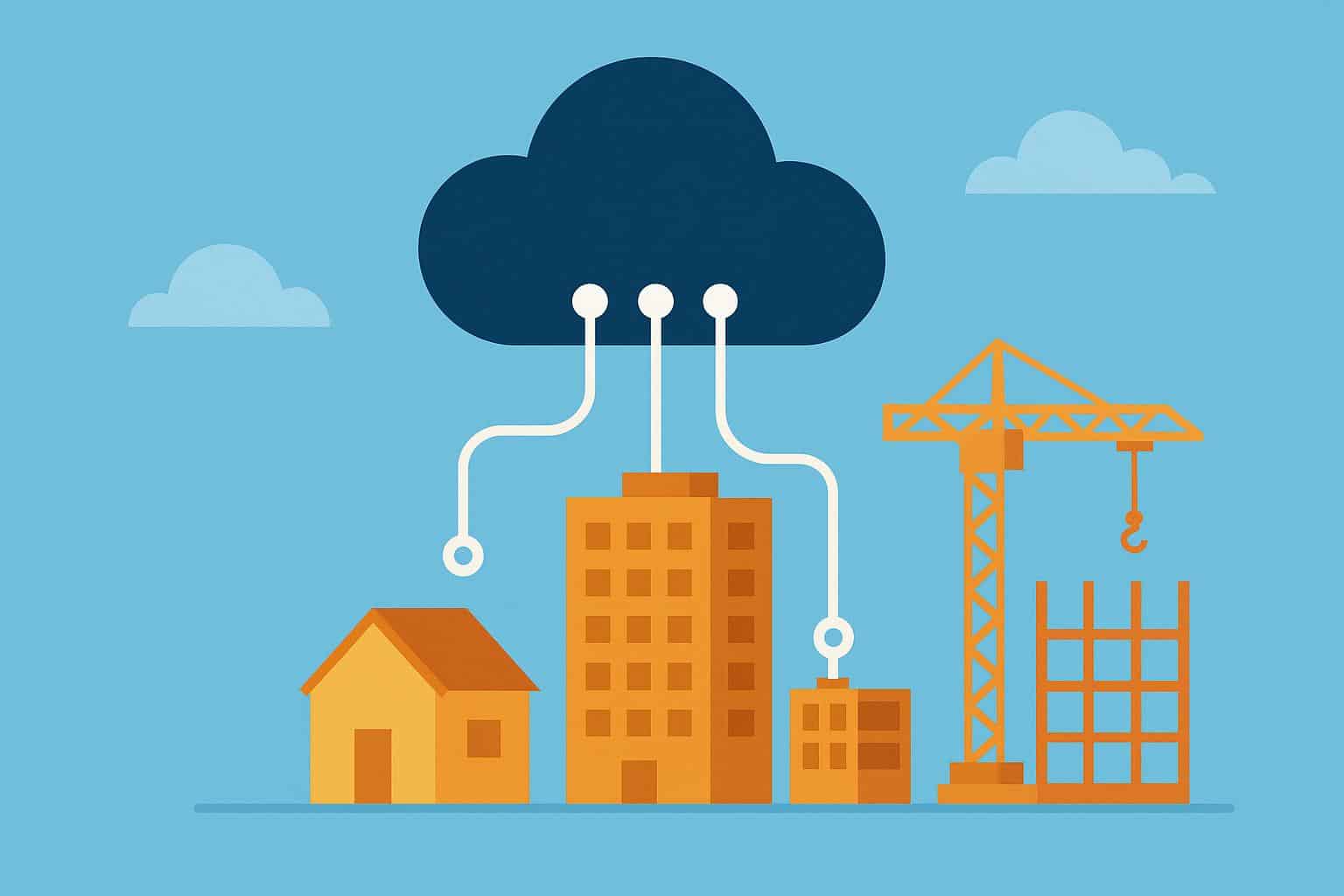
Operational Clarity Through Connected Workflows
A healthy contracting business depends on how well information moves from one person to another. Paper based processes usually fall apart once the company reaches a certain size. Missed updates turn into rework, rework turns into longer timelines, and longer timelines turn into unhappy clients. Digital workflows shorten that chain of problems. When scheduling, documentation, correspondence, and approvals live in one place, teams naturally stay aligned. There is less pressure to track down details because the structure does the tracking for them, which can reduce friction between departments that rely on different parts of the same job file. Coordinated systems also help businesses adapt faster during complex builds or weather delays since the updated plan reaches everyone at once.
Client Trust Through Better Project Transparency
Homeowners and commercial clients want visibility. They do not need to see every backstage detail, but they appreciate knowing where things stand. Transparency builds confidence and keeps expectations realistic, especially during long or disruptive projects. Businesses that offer clear updates tend to see fewer misunderstandings and a smoother handoff at closeout. This can become a competitive advantage in markets where communication has a reputation for being unpredictable.
Digital project portals help clients feel informed without burdening staff. A quick look at progress photos or upcoming milestones often answers questions before they reach the office. Contractors who adopt this approach notice that they spend less time putting out fires and more time guiding conversations about value, design intent, or future work. That shift strengthens the client relationship in a way simple status calls never could.
Growth Planning With Data Guided Decision Making
Ambitious contractors usually hit a point where instinct alone cannot drive the next phase of growth. Data becomes the stabilizer. It shows which services are profitable, which markets respond well to certain offerings, and where bottlenecks slow revenue. Strong digital platforms provide these insights in real time, which can help leaders decide whether to hire, adjust pricing, or expand into a new service area. The right technology can also support contractors across specialties. Tools that qualify as the best CRM for electrical contractors, roofing contractors, all types really are built to handle the delicate balance of leads, estimates, follow ups, and active jobs. They help business owners see how opportunities move through the pipeline and provide a more dependable forecast than gut feeling ever could.
Reliable forecasting changes how companies manage cash flow, inventory, and staffing. When leaders understand patterns in seasonality and demand, they are better equipped to stay steady during slower periods and capitalize when interest surges. A thoughtful digital foundation makes the business feel less reactive and more intentional.
Positioning for High End Work Through Design Forward Collaboration
Technology quietly plays a role in how contractors present themselves to architects and developers. Firms that want a seat at higher end tables must show that they can handle precision, reporting, and coordinated communication. This becomes particularly important when bidding on projects tied to luxury residential development where design expectations are exacting and stakeholder groups are large. Digital platforms allow teams to share documentation cleanly, manage revisions without losing track of earlier decisions, and maintain a standard of professionalism that signals reliability.
Architecture and development partners appreciate contractors who run organized operations because it removes friction from the design build cycle. When everyone works from the same information set, the project feels less chaotic and more collaborative. Contractors who adopt structured digital processes often rise to the top of preferred vendor lists simply because their systems reduce stress for everyone involved.
Supporting Field Teams With Better Tools
Office efficiency means nothing if the field feels disconnected. Crews need fast access to job details, schedules, drawings, and change updates so they can work confidently without waiting for clarification. A well designed field technician mobile app closes this gap and often becomes one of the most loved tools in the entire tech stack. Instead of juggling paper or calling the office repeatedly, technicians can pull up everything they need on the spot. It cuts down on mistakes, speeds up installations, and gives crews a sense of control over their day.
Strong field tools also help newer employees ramp up faster since they can reference instructions without guessing. That consistency supports quality control and protects the brand, especially as companies scale. When technicians document work through the same platform, leaders gain a reliable record of progress and performance, which feeds back into smarter planning and more accurate estimating.
Digital evolution is no longer intimidating for contractors who want to strengthen operations. When chosen wisely, technology weaves into the business without disrupting its character, and it helps both office and field teams perform with more confidence. Most leaders who make the shift discover that the clarity and calm that follow are worth every bit of the initial learning curve.
