


Elon Musk’s previously debunked $56 billion Tesla compensation plan is getting another shot. In a closely watched decision, the Delaware Supreme Court reinstated that landmark award from 2018, overturning a prior ruling from the Court of Chancery that had invalidated the package due to process and disclosure issues. The ruling puts an end to a long-waged legal battle and resets the boardroom storyline when it comes to executive pay, shareholder consent, and Delaware’s primacy in corporate law.
What the Delaware Supreme Court’s Decision Resets for Tesla
The revamped plan is made up of 12 tranches of stock options that only vest when Tesla hits a series of increasingly ambitious operational and market-cap milestones. Tesla crushed all comers, turning the package from theory into fact. On a split-adjusted basis, the award is for slightly more than 300 million options with an exercise price near $23 a share, according to people familiar with the matter, which amounts to nearly 10% potential dilution at full exercise — one of the largest performance awards ever handed out to a public-company chief executive.
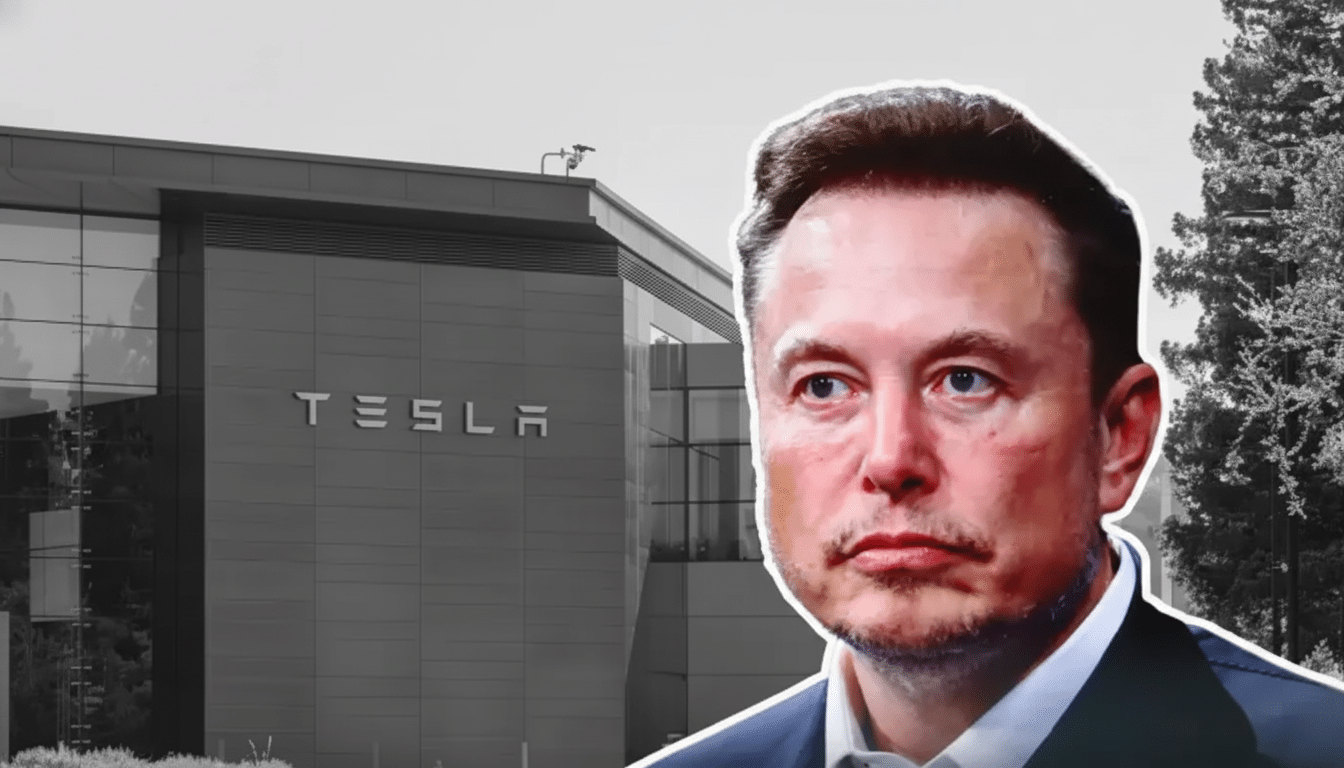
The court decision returned those contract options back to Musk, although tax and financial constraints might affect his ability to exercise them. From the accounting perspective and valuation, it’s worth noting that recognition of these milestone achievement expenses, per usual, was reflected in Tesla’s past financials once achieved; reinstatement is mainly about governance optics, dilution, and Musk’s incentive alignment as opposed to rewriting the history of Tesla results.
How the Case Turned a Corner in the Delaware Appeal
A shareholder in Tesla sued right after the 2018 plan was approved, arguing that the board’s process was flawed and that investors were not fully informed.
After a lengthy trial in which Musk testified, the Court of Chancery set aside the award, subjecting it to rigorous “entire fairness” scrutiny and faulting procedural defects in negotiation and disclosure.
Tesla then attempted to cure those defects. Shareholders agreed to the compensation plan with about 72 percent support, according to the company’s proxy tallies, though proxy advisers ISS and Glass Lewis had both recommended voting it down. The board also pointed out Tesla’s exceptional performance against targets under the plan. Today’s reversal indicates that the high court was content — whether from the original process, or a shareholder re-vote, or both — that investor consent and fairness were adequate under Delaware law.
Governance and Delaware Implications for Executive Pay
The ruling is likely to have a disquieting effect on companies beyond Tesla. The Delaware standards for assessing controller-like power, independence of the board, and the cleansing impact of an informed stockholder vote have been scrutinized. Corporate law scholars and professors at places like Columbia and Stanford have stargazed that a clear high-court thumbs-up to firm stockholder ratification could reframe how boards of directors tailor — and guard — ultra-huge performance bonuses.
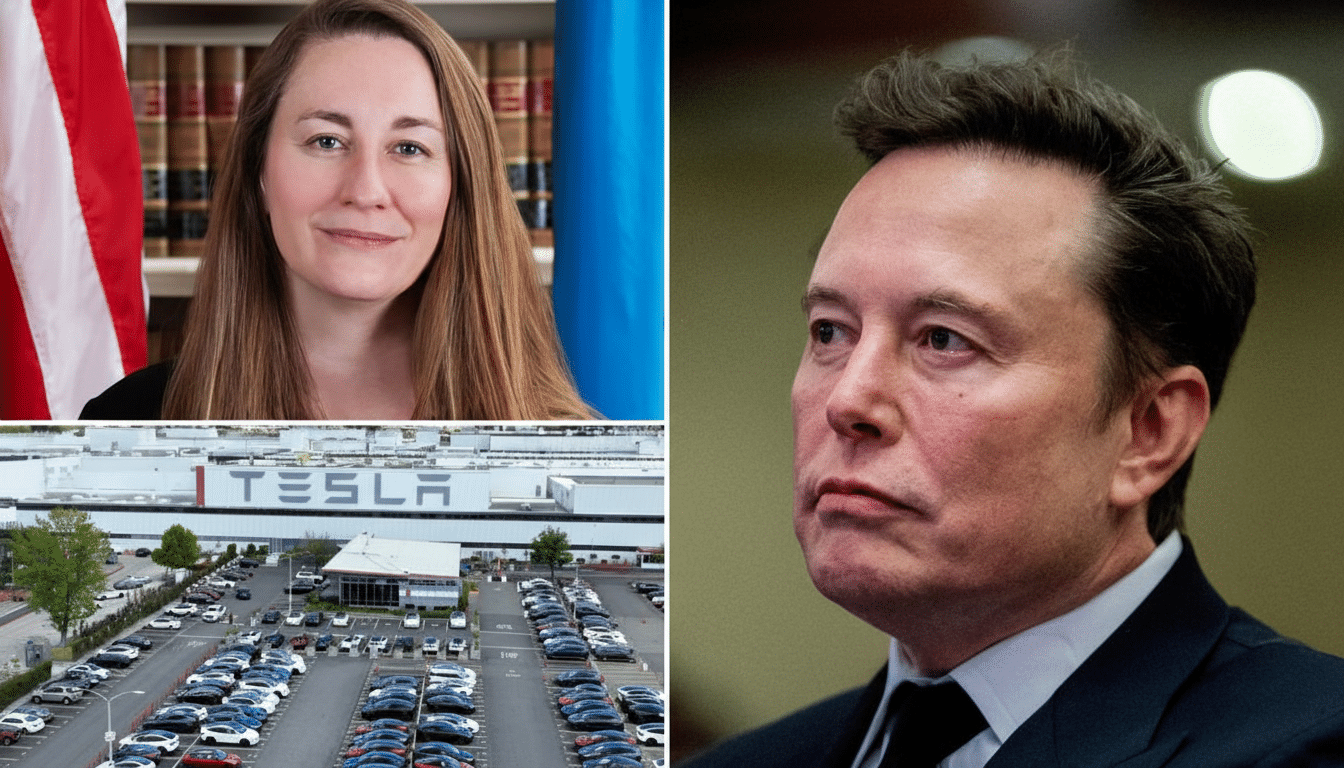
The size of the package continues to be a point of contention for governance advocates. Groups like the Council of Institutional Investors have deemed the grant as outsized compared with peers, and said that strong performance does not automatically warrant exceptional dilution. Nonetheless, the court’s ruling serves as a reminder that clear disclosure, quantifiable metrics, and shareholder consent can have real legal force under Delaware’s system.
What Happens Now for Tesla and Musk After Reinstatement
Now that the 2018 award is restored, Tesla should work to wind down the conditional pay proposal it floated as a hedge while appealing. The company has also enacted a separate forward-looking incentive plan for Musk: to keep him in the game and have him looking at long-horizon goals around autonomy, AI, energy, and better manufacturing efficiency — which is where management says the next wave is going to be coming from.
As a practical matter, if Musk is to exercise those options that were reinstated, it would necessitate substantial cash or financing to pay out strike costs and taxes — while potentially introducing selling pressure if shares are sold off to fund obligations. Any exercise schedule will be scrutinized by Tesla investors, who will try to weigh dilution against whether the award kept Musk incentivized to deliver transformative gains.
Investor Lens and What Lies Ahead After the Court Ruling
For shareholders, the math should be simple: did the plan create value in excess of its cost? Since the grant, Tesla has become a market leader not just in electric vehicles but also in vehicles controlled by software; it vaulted from being an also-ran carmaker to dominating a global industry with profits once thought impossible and at one point briefly surpassing $1 trillion in value. That’s exactly the trajectory that the performance tranches were meant to reward.
“It also speaks to the overall importance of Delaware,” Kastanek said. After the lower-court decision, Musk publicly lambasted Delaware and steered corporate moves to other states. In explaining how informed investor consent relates to board process, the Supreme Court has delivered a more navigable game plan for high-stakes pay design to boards and founders — one widely expected to influence compensation battles in the years ahead.
Bottom line: The courts have ruled, the choices are back, and the governance spotlight now shifts to execution — on product, profitability, and whether they continue delivering for the owners who pay the bills.
