


A Czech ice dance duo brought artificial intelligence into one of the most tradition-bound events on Olympic ice, performing their rhythm dance to a track partially generated by AI. During the broadcast, a commentator noted that the opening section was AI-made, marking one of the clearest and most visible uses of synthetic music in figure skating’s biggest arena.
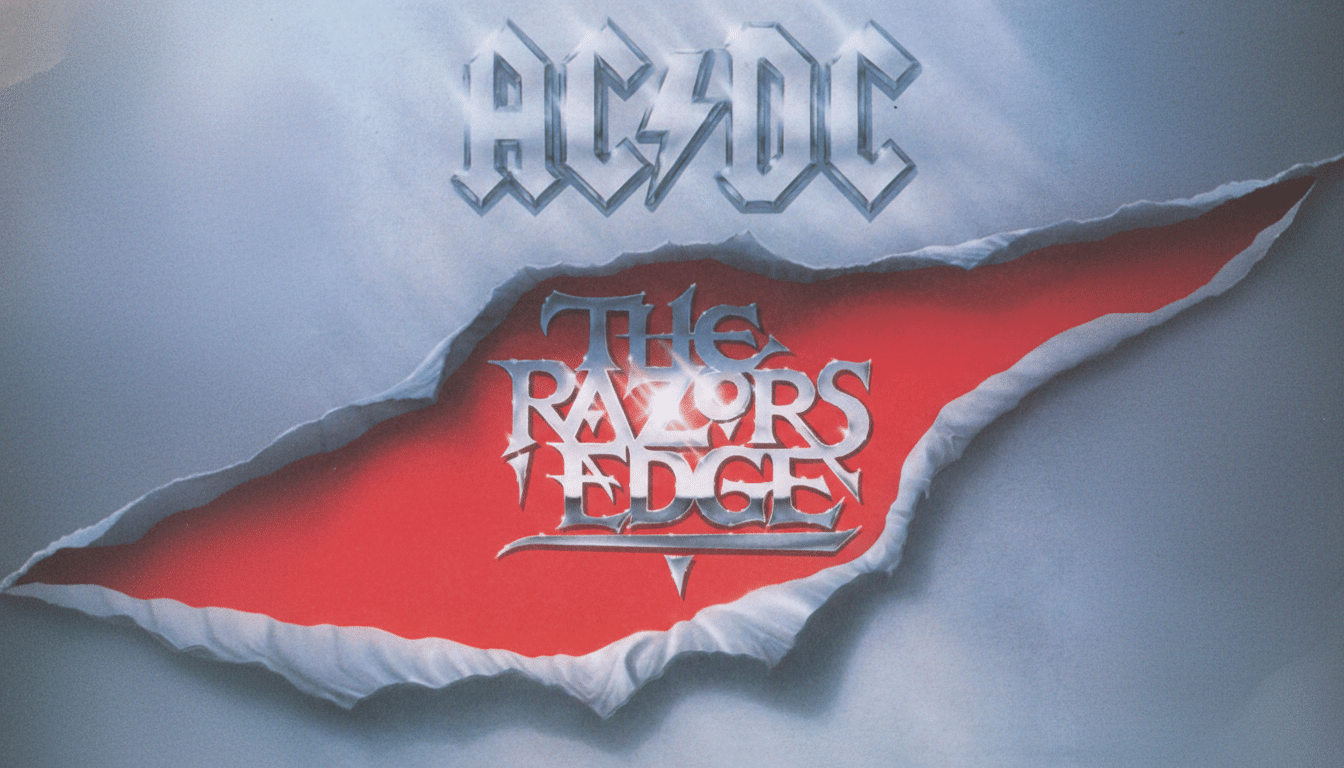
The routine, skated by siblings Kateřina Mrázková and Daniel Mrázek, blended an AI-created song designed to evoke a 1990s rock sound with “Thunderstruck” by AC/DC. The International Skating Union’s official materials for the season list the program’s first piece as “One Two by AI (of 90s style Bon Jovi),” while the Olympic program confirms the selection. In a field where music choices are central to interpreting a prescribed theme—in this case “The Music, Dance Styles, and Feeling of the 1990s”—the move instantly ignited debate about creativity, licensing, and where AI fits inside a judged art sport.
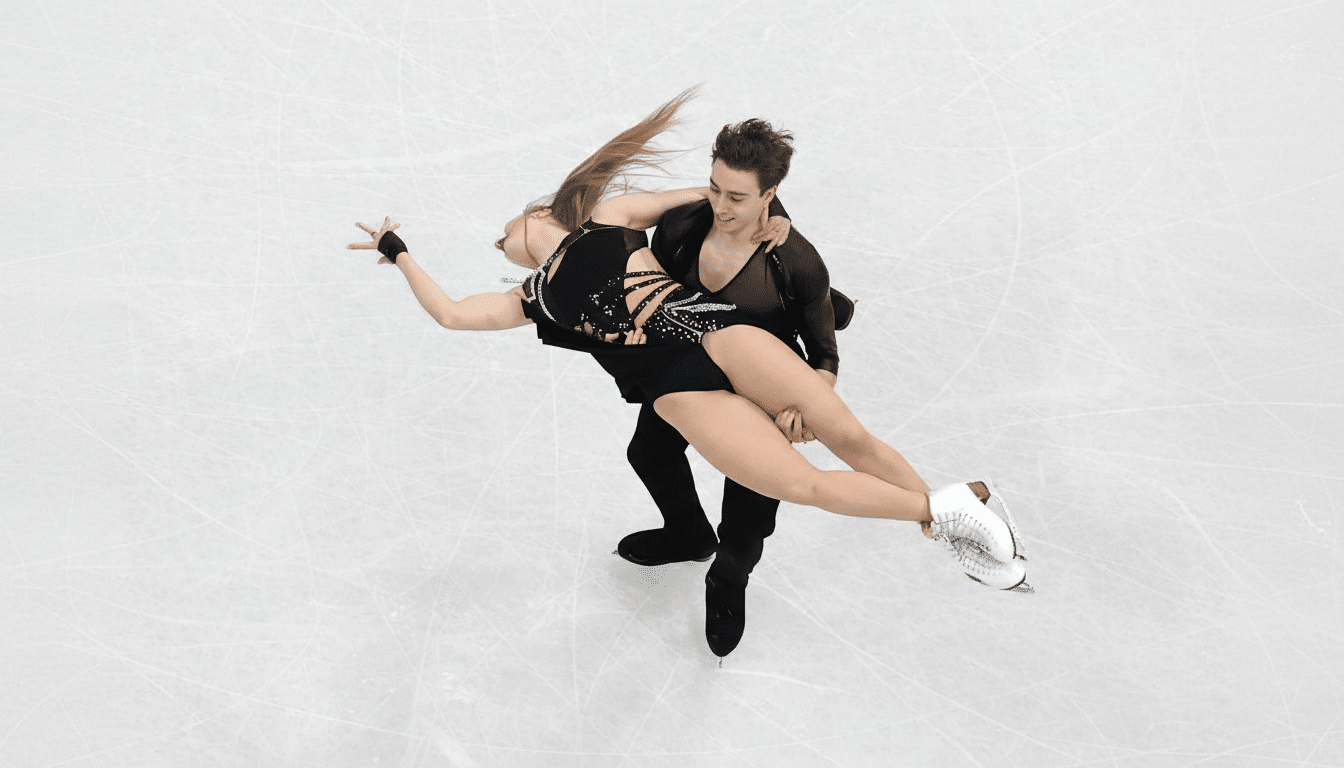
Other top teams leaned on unmistakable ’90s hits: Britain’s Lilah Fear and Lewis Gibson built their set around the Spice Girls, and Americans Madison Chock and Evan Bates used a Lenny Kravitz medley. The Czech siblings instead threaded the needle with a hybrid: a machine-generated pastiche followed by a bona fide stadium anthem, attempting to satisfy the era brief while asserting some technical originality.
What The Rules Allow And What They Don’t
Under ISU rules, skaters may use music with lyrics and are responsible for ensuring rights are cleared; there is no explicit prohibition on AI-generated compositions. Judges evaluate musical timing, character, and interpretation, not the provenance of the sound file. That explains why the program proceeded without any music-related deduction—compliance hinges on theme, tempo, and pattern requirements, not whether the track was written by a human or a model.
The legal gray area sits outside the rink. AI systems trained on massive catalogs can produce songs that resemble specific artists or works. The U.S. Copyright Office has clarified that material generated by a system without sufficient human authorship is not protected by copyright, though human arrangement, editing, or performance can qualify. Meanwhile, the Recording Industry Association of America has brought lawsuits against AI-music startups over alleged ingestion of copyrighted recordings without permission, and labels have pressed platforms to remove tracks that mimic famous voices. Those currents raise practical questions for federations and broadcasters: Who owns an AI track used in sport, and does it unlawfully reference protected works or personas?
For now, the burden falls on teams and their music editors to vet sources, commission original material when needed, and document permissions. That is standard practice with remixes and custom cuts; it becomes trickier when a model outputs lyrics or melodies echoing recognizable songs or singers. The safer path—commissioned tracks composed by identifiable humans using AI as an assistive tool—may end up becoming the de facto norm as rights frameworks catch up.
A Creative Shortcut Or A New Palette For Ice Dance
Figure skating has long embraced production techniques—remixes, sound design, live instrumentation—to craft programs that land musically in a packed arena. AI makes that toolkit cheaper and faster, but it can also tempt creators toward imitation over interpretation. Earlier in the season, critics flagged that a prior version of the duo’s AI song contained lines closely mirroring lyrics from a well-known ’90s hit before being revised to different, rock-inspired phrasing. That episode underscores the line between capturing an era’s feel and inadvertently reproducing protected expression.
Judging-wise, using AI doesn’t inherently confer an advantage. Panels award program component scores for timing, expression, and the authenticity of the dance style. If the track flattens dynamics or lacks clear phrasing, it can make edges, turns, and step sequences harder to sell. Conversely, a purpose-built piece can emphasize accents that help athletes land key elements on music, showcasing precision. Whether AI becomes a crutch or a creative amplifier will depend on how thoughtfully teams integrate it with choreography and performance.
Why This Moment Matters Beyond One Program
The sight of Olympic ice dancers interpreting synthetic vocals signals a wider convergence: generative tools are moving from studio curiosities into live, televised performance where rights, ethics, and taste are all scrutinized. Music industry flashpoints—from the takedown of the viral AI track that imitated Drake and The Weeknd to ongoing litigation over training data—show how unsettled the terrain remains. Sports federations and broadcasters will likely need clearer guidance on disclosure, accreditation of composers, and verification that voices and styles aren’t unauthorized replicas.
For athletes, the incentive remains the same: find music that defines a moment and earns judges’ trust. Whether that comes from a machine’s draft polished by humans, or from a licensed classic, the standard audiences expect has not changed. The Czech duo’s gamble made history on a technicality, but its legacy will hinge on a harder question: can AI-backed music enhance the soul of a program without borrowing someone else’s?
