


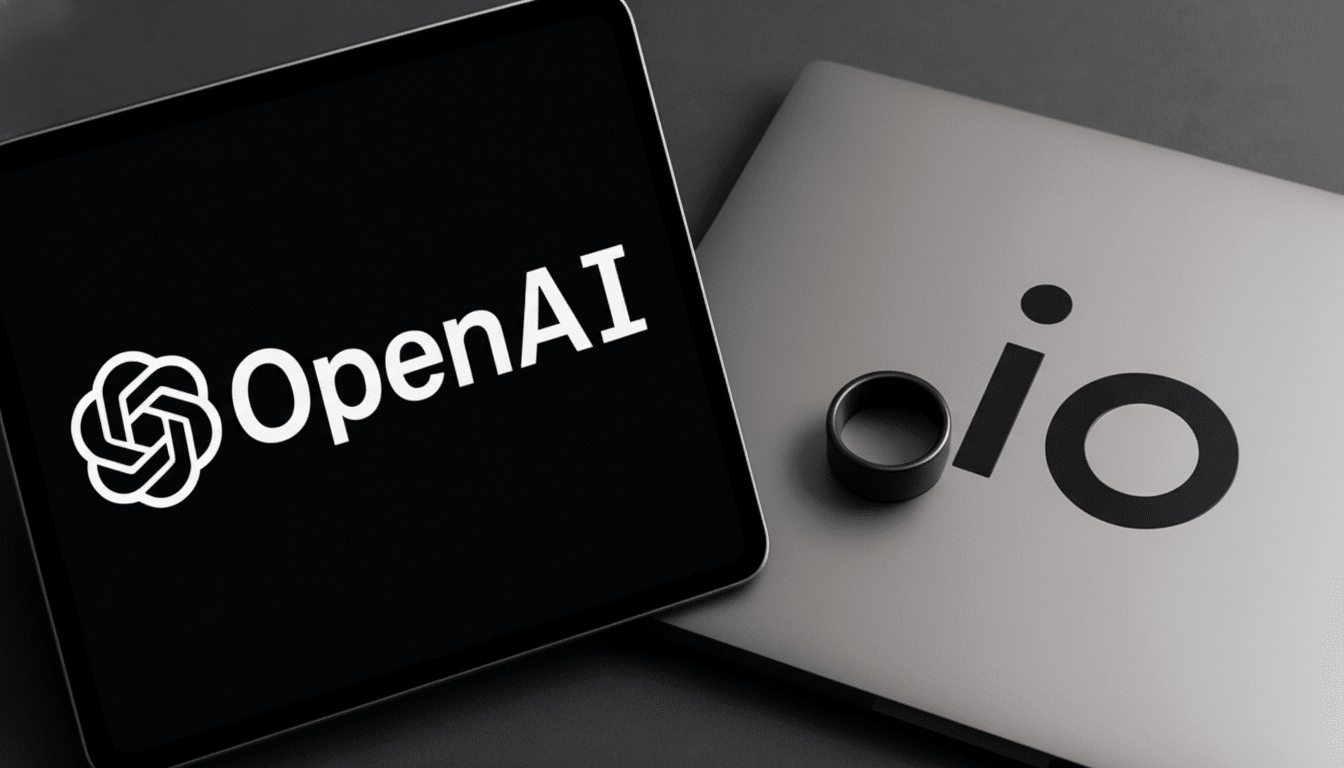
OpenAI’s efforts to break into consumer hardware have faced a branding roadblock after a federal appeals court prohibited the company from selling an upcoming device named IO, since it competed with products made by Google Ventures–backed startup iyO. The ruling, however temporary, tightens the legal vise on OpenAI’s hardware strategy and adds fresh uncertainty to branding around a flagship device developed with Jony Ive.
What the Appeals Court Decided About OpenAI’s IO Name
The Ninth Circuit Court of Appeals upheld a preliminary injunction order from the lower court that precludes OpenAI, CEO Sam Altman, Jony Ive and IO Products, Inc. from using IO in connection with products similar to iyO’s. It isn’t an across-the-board ban: the order is crafted to avoid confusion among adjacent product categories. OpenAI has already deleted IO references from its website and other materials, a sign of how seriously the company is taking the dispute.
- What the Appeals Court Decided About OpenAI’s IO Name
- The companies and people behind the competing IO names
- Here’s why the name matters in AI hardware
- What the injunction means for OpenAI’s product roadmap
- Legal context for the case and the likely next steps
- The big picture for AI devices and branding conflicts
Appeals courts, especially in the close and fact-saturated factual analysis for temporary orders, rarely second-guess a trial judge’s determination absent clear error, so the decision indicates that the lower court’s findings on potential consumer confusion had cleared a high bar.
The stay of the order ensures that the status quo remains in effect as the underlying trademark case works its way through litigation, a typical result when the equities indicate there could be irreparable harm in the market.
The companies and people behind the competing IO names
Jony Ive’s studio was part of the effort to build a next-generation AI device that isn’t a phone, aren’t glasses and isn’t a smart display as we know it, called io forma. OpenAI, folded into its hardware effort in a multibillion-dollar transaction, has bet that tightly integrated AI and industrial design could create a new category.
iyO, backed by Google’s venture arm, operates in a similarly broad space: AI-first hardware. The startup claimed that OpenAI’s IO branding is too similar to its own, especially considering shared audiences and distribution channels. Its chief executive, Jason Rugolo, has cast the battle as a fight for survival of a smaller company against a giant.
Here’s why the name matters in AI hardware
Trademark cases often come down to the “likelihood of confusion,” comparing how similar the marks are, whether the products travel in the same trade channels and how sophisticated buyers are. Two-character marks are particularly thorny: they’re clean, memorable and widely used in tech. “IO” is a nod to input/output and the .io domain. It becomes difficult to enforce distinctiveness unless the source is associated with strong evidence.
Industry groups like the International Trademark Association have pointed out that short marks can be protectable, but that context is everything. (Visual dressing, type and how the mark plays on packaging and devices can be a matter of make-or-break too). To both sides essentially fighting in the war room of AI-centric hardware, this closes the gap and raises (again) the risk a court finds overlap in consumers’ minds.
What the injunction means for OpenAI’s product roadmap
Brand limitations trickle down into product plans. Packaging, certifying, developer kits, accessories and retail partnerships all hinge upon a solid name. And even if OpenAI prevails, or agrees to a settlement, complying with the order in the meantime may compel interim branding or an entire rebranding endeavor around a new mark. Those costs may be real: there are months of creative, legal and supply chain work involved in rebranding a consumer device at scale.
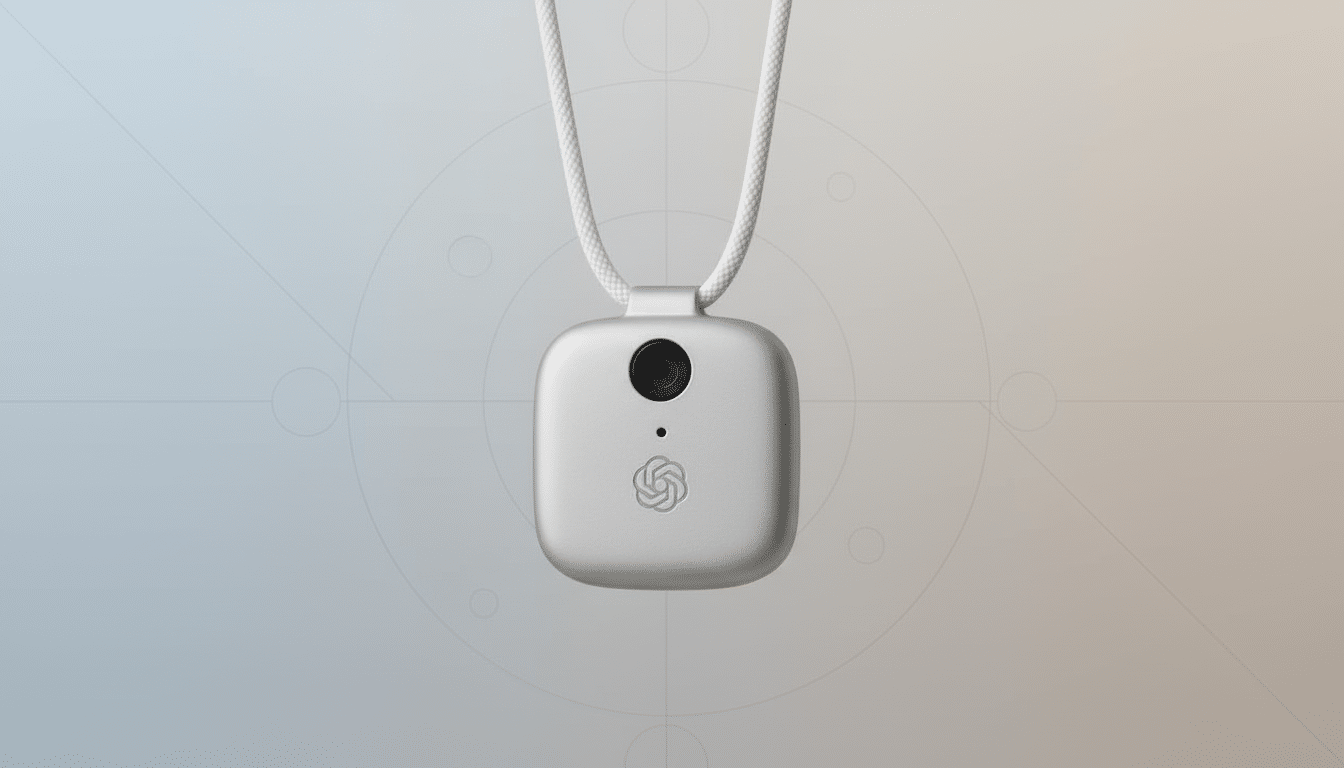
It could be a screenless, desk-friendly companion with no cameras or microphones and positioned very much as a complementary “third device” rather than a phone or glasses, according to The Wall Street Journal. Ive and Altman have confirmed a working prototype for it. The naming fight doesn’t stop engineering — but creates challenges with go-to-market execution, from trademark filings to retailer line reviews.
Legal context for the case and the likely next steps
Now the case goes back to district court for a broader preliminary injunction hearing. At that point, judges in these cases frequently look at survey results, expert testimony about brand confusion and more detailed comparisons of the marks as they appear in real-world use. The parties also could negotiate a coexistence agreement—restricting certain product classes, geographic areas or stylizations—or a settlement that provides for differentiated branding.
Under the traditional test for injunctive relief, a court considers the probability of success on the merits, irreparable injury, balancing of equities and public interest. In the world of consumer tech, the harm factor is powerful: When confusion sets in at launch, it’s a tough beast to reverse. That, in part, is why TROs often come down early in brand fights, including between a big company and an immeasurably smaller adversary.
The big picture for AI devices and branding conflicts
As AI shifts from being something that sits on your computer to actual objects you carry around, or things you keep sitting on your desk, naming collisions are becoming a feature of the market, not a bug. Recent examples — from Meta’s battles over the Meta brand to Apple’s long-running iPhone trademark dispute in Brazil — show that even titans have to try and negotiate, rebrand or pay to simply coexist. And it’s not just the land rush on AI hardware that is adding pressure: shorter brand names are better, and there has never been more available real estate.
OpenAI said it disagreed with the complaint and was considering its options, but declined to comment on the latest ruling. For now, the injunction holds—and the company’s first actual piece of AI hardware will probably land in consumers’ hands sporting a different name than it was originally intended to.
