


Clair Obscur: Expedition 33 has had two Indie Game Awards removed from it following organizers’ determination that the RPG was developed with generative AI, breaching a key eligibility rule. The change hits both Game of the Year and Debut Game, a stunning reversal for a title that has been one of the most talked about in this year’s awards blitz.
The Reason the Awards Were Rescinded by Organizers
The Indie Game Awards by Six One Indie have gone so far as to disallow generative AI in any form for nominated work. Organizers say the team behind Clair Obscur: Expedition 33 asserted at submission that no such tools were utilized. During production, generative AI was used to generate placeholder textures, and after the winners were announced it was discovered that some had shipped with the product accidentally and were also replaced shortly after release.
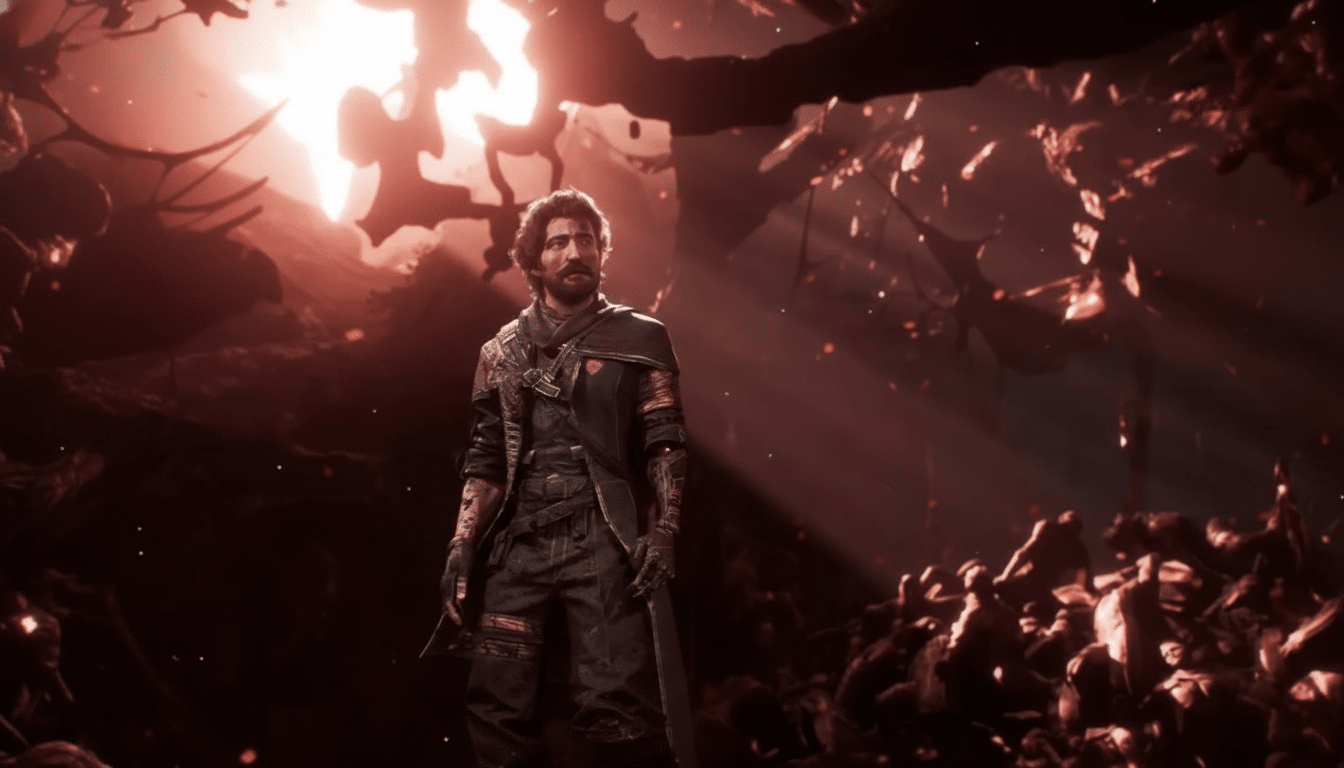
That admission caused an automatic disqualification under the awards’ eligibility rules. The organization noted that it is only trying to keep creator-driven work intact and achieve a level playing field, whether the generative AI use is minor or extensive. One Indie Vanguard honor was also revoked in the same policy enforcement, indicating a zero-tolerance policy.
Replacement Winners and Fallout After Disqualification
With Clair Obscur disqualified, the top prizes progressed to the next highest-scoring nominees. Dogubomb’s Blue Prince now counts Game of the Year among its titles, while à la mode games’ Sorry We’re Closed takes Debut Game. Both studios are stepping into the limelight in a year when independent games have broken through an extremely busy marketplace on the strength of solid artistic identities, innovative game mechanics, and strong word-of-mouth.
The decision set off a spirited divide among players and developers. Proponents argue the enforcement maintains the independent craft spirit and provides clear guidance in a world where adoption of AI is picking up. Critics say the infraction — temporary placeholder textures that were already in the process of being replaced — did not significantly influence the game’s final art and should have been evaluated in context. The Indie Game Awards, for its part, characterized the judgment as an appropriate implementation of rules laid down in text.
What Sandfall Says vs. What Players Found
Sandfall Interactive has previously confirmed they used “some AI” in production but later clarified that the generative tools were solely for temporary textures (“intended to be swapped out”). Suspicious in-game posters had been flagged by players after launch, and the assets were replaced in a later hotfix. “There’s no way we intended for those things to stay in there,” Sandfall says, attributing their presence to a lack of quality assurance.
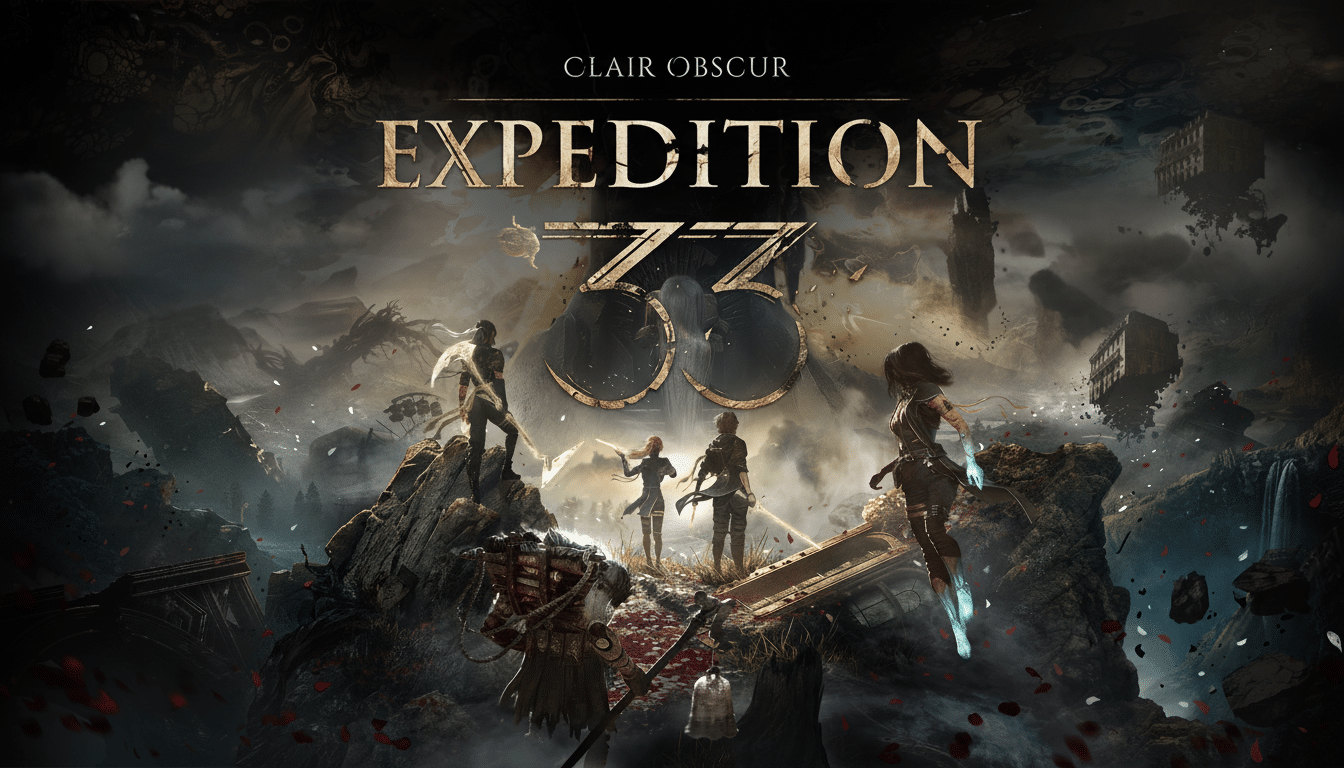
The studio’s awards season overall is still stellar. Clair Obscur: Expedition 33 took home numerous industry nods at large award shows such as The Game Awards and the Golden Joystick Awards, showcasing the game’s critical acclaim and popularity with the mainstream public. So the Indie Game Awards decision is less a statement on quality and more of a hard governance call about development practice.
The Bigger AI Discussion in Game Development
The case arrives in the midst of an industrywide reckoning over how, and whether, generative AI belongs in creative pipelines. The Game Developers Conference recently released its State of the Game Industry report, which reported that about one-third of developers surveyed are already experimenting with generative AI tools, and a majority are worried about the ethical implications for job displacement as well as copyright exposure. The U.S. Copyright Office has also made clear that purely AI-generated work does not have human authorship, making copyright and credit in shipped products complicated.
Across entertainment, artists have banded together over similar concerns, from protests on ArtStation to contractual language debated by voice actors’ unions. Indie-centric showcases have also put up bright lines to keep AI-driven content from sneaking into gray areas of eligibility. Clear rules minimize the ambiguity of adjudication, but they also heighten pressure on small teams that leverage provisional assets to act quickly in prototyping.
What This Means for Indie Awards and Studios
The verdict from the Indie Game Awards is clear: if a policy reads no generative AI, even transitional assets are liable to be ruled ineligible. Studios working under the same rules are doubtless going to be doubling down on verifying asset provenance checks and QA sweeps, particularly around launch and submission timeframes. Anticipate more festivals and prize bodies to codify such disclosure requirements, including requesting that submitters also be required to certify workflows — possibly even with audit trails — before nominations are set.
For players, this episode is a reminder that awards criteria now extend beyond traditional measures like artistry or innovation to include process integrity. For developers, it’s a reminder: production shortcuts are no longer unseen — even if they’re temporary. And for award show organizers, it lays a playbook for enforcement in a fast-evolving technological landscape: draw the line, make sure it is communicated clearly, and enforce it evenly.
