


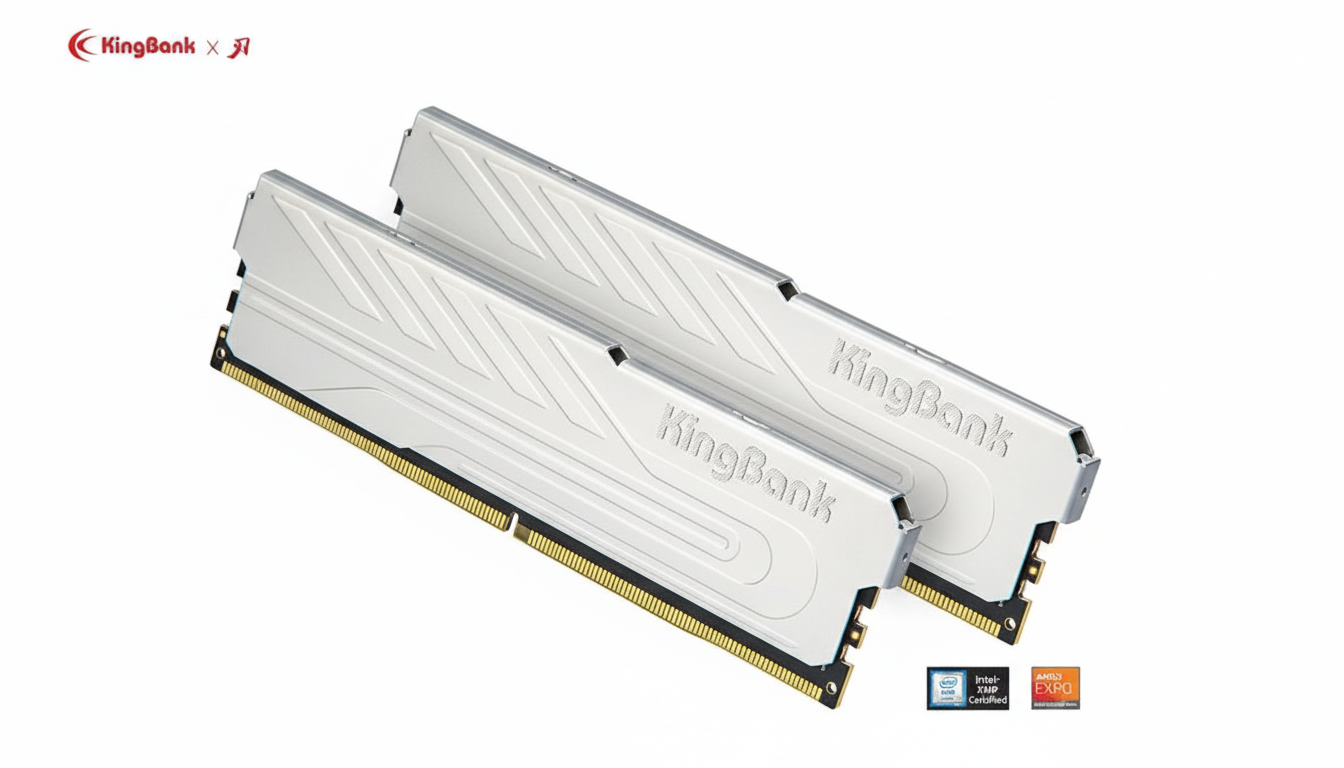
A new wave of DDR5 memory built with ChangXin Memory Technologies dies and sold under brands like KingBank is showing up in gaming rigs—and it’s quick. Early independent testing indicates performance on par with modules based on Samsung, Micron, or SK hynix chips, nudging retail supply in the right direction just as mainstream DDR5 pricing has been strained by datacenter demand. The relief, however, may be brief if CXMT follows the rest of the industry in chasing higher-margin AI memory.
Benchmarks Put CXMT DDR5 in the First Tier
Reviewers who dropped KingBank’s DDR5-6000 CL36 kits into AMD’s latest gaming CPUs, including Ryzen 9 9800X3D and Ryzen 7 9700X, saw frame rates virtually indistinguishable from premium alternatives. In Cyberpunk 2077 at 1080p, one test logged a 208fps average and 150fps 1% lows, essentially neck and neck with a well-known G.Skill DDR5-6000 kit at 209fps/151fps. At 1440p, the gap again rounded to a single frame; at 4K, the GPU—not the memory—was the bottleneck.
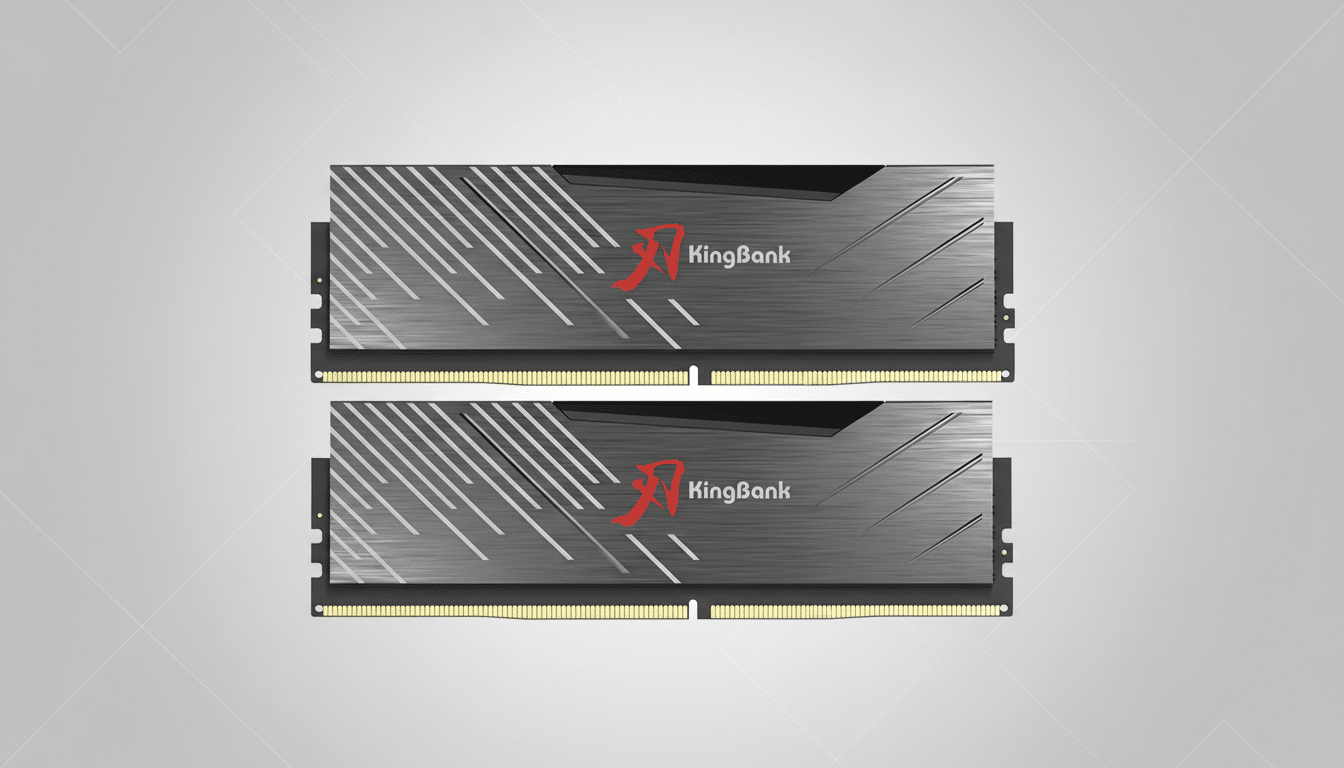
That parity matters. The current “sweet spot” for many AM5 builds is still around DDR5-6000 using EXPO profiles, and the CXMT-based modules hit that target cleanly without manual tuning. Overclocking headroom hasn’t been fully explored yet, but for buyers focused on plug-and-play stability and gaming performance, these sticks land exactly where they should.
Prices Help but Don’t Solve the DDR5 Crunch
The value proposition is real, if modest. A 32GB KingBank DDR5-6000 kit has been spotted around $422, with comparable name-brand kits often trending roughly 10% higher. That’s not a fire-sale discount, but in a market where DRAM contract prices climbed through much of last year—TrendForce repeatedly flagged tighter supply as wafer starts shifted to AI memory—any credible alternative at a lower sticker price moves the needle.
Availability and channel support are the caveats. Distribution for Chinese memory brands can be patchy outside Asia, and buyers will want to check motherboard QVL lists, warranty terms, and RMA logistics. If CXMT-based DIMMs scale up in volume and reach more retailers, they could put steady pressure on mainstream DDR5 street prices. If not, the impact will be limited to early adopters willing to seek them out.
AI Appetite Threatens the DDR5 Supply Relief
The elephant in the room is AI. Hyperscalers are vacuuming up every bit and wafer they can for accelerators and memory, and suppliers have been happy to redirect capacity to higher-margin products. HBM remains the star of that story, and industry leaders have warned of tight HBM supply for multiple cycles. Reports indicate CXMT plans to reserve about 20% of its 2026 output for HBM3 to support domestic AI buildouts—an unmistakable signal about where priorities are heading.
That pivot mirrors the broader market: Micron has leaned into HBM3E, SK hynix has dominated HBM shipments, and Samsung is ramping aggressively. Even outside DRAM, storage vendors have cited AI-led orders soaking up enterprise capacity well into future quarters. For consumers, the pattern is familiar—periodic spot relief followed by renewed upward pressure on prices when enterprise demand spikes.
Geopolitics and Qualification Hurdles Ahead
There’s also the matter of who will adopt CXMT at scale. Reports suggest major OEMs, including Apple, have evaluated Chinese memory suppliers such as CXMT and YMTC to diversify sourcing. But component qualification cycles are long, and geopolitical risk around advanced semiconductor equipment exports complicates those plans. Large PC makers tend to prioritize stable multi-year supply contracts and global service coverage—areas where incumbent DRAM giants still hold advantages.
On the enthusiast side, compatibility and firmware polish matter. DDR5 includes on-DIMM PMICs and intricate SPD/EXPO or XMP profiles; even equal silicon can deliver different out-of-the-box behavior depending on binning, PCB layout, and vendor tuning. Early tests are encouraging, but broader motherboard validation will determine how widely CXMT-based kits make QVL lists in North America and Europe.
Outlook for PC Builders in 2025 and Beyond
In the near term, CXMT-backed DDR5 looks like a welcome new lever on price and availability. If more capacity flows to consumer DIMMs, expect incremental easing and a bit of competitive pressure on mainstream 32GB and 64GB kits, especially around DDR5-5600 to DDR5-6400 speeds.
The medium-term risk is clear: as AI demand keeps escalating and HBM commands top dollar, manufacturers will keep chasing the most profitable mix. That could shrink the window in which CXMT’s DDR5 actually softens the crunch. For buyers, the practical advice is simple—watch validated kit lists, track quarterly notes from TrendForce and major DRAM vendors, and be ready to pounce when retail promos appear. The deals may not last.
