


Charli XCX’s new film The Moment doesn’t play by the rules of the music documentary. It borrows the language of vérité to deliver something sharper and stranger: a staged confession about how being the “it” girl of pop can feel like losing control of your own reflection. What begins as a victory lap after a breakout era becomes a cool-headed interrogation of hype, image, and the corporate machinery that monetizes both.
A Faux Documentary That Cuts Closer To The Bone
Director Aidan Zamiri builds The Moment as a “fake documentary,” but the joke is never the point. The film’s opening whiplash—neon logos, feral dancing, news clips, social snippets—collapses into a breathless cut to reality. Charli crumples after “Cut” is called, the club-kid avatar abruptly swapped for a human being with lactic acid in her legs and a deadline in her ear. It’s a hard pivot that sets the tone: curated chaos interrupted by exhaustion.
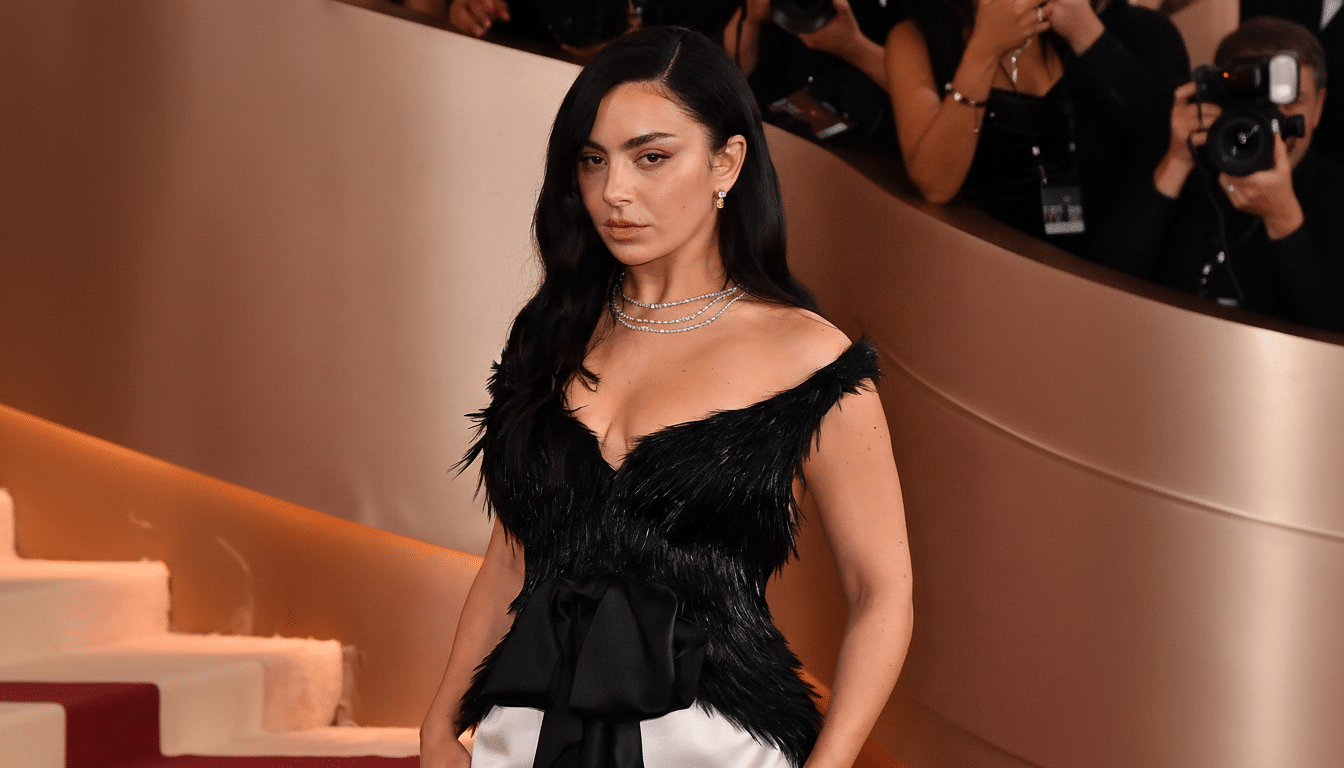
Instead of a flattering tour diary, Zamiri and co-writer Bertie Brandes engineer a maze of vantage points. We see plans for an arena run rooted in Charli’s brat-era aesthetics—strobe-heavy, nightclub-nasty, defiantly filthy—collide with a commissioned “official” concert film designed to extend the brand beyond the core fans. The movie’s cameras hover everywhere, but they never belong to the crew within the story. People around Charli wince straight into the lens; she rarely does. The effect is unnerving: everyone is aware of surveillance except the star, who has absorbed it as oxygen.
A Battle Over Image And Agency In Pop Stardom
The drama turns on a familiar pop-business tug-of-war. Charli trusts her creative director Celeste (Hailey Benton Gates), who wants to transform cavernous arenas into ecstatic club spaces. But a documentary filmmaker, Johannes (Alexander Skarsgård, hilariously slippery), is hired by a blunt-force label executive (Rosanna Arquette) to bottle the “moment” in a way that plays to mainstream sensibilities and, as he keeps saying, “dads.”
At first, everyone insists the artist has final cut. The slow reveal is that final cut is a mirage. With soft-spoken urgency, a manager (Jamie Demetriou), glam team confidantes (including Kate Berlant), and famous friends (a gloriously vapid Rachel Sennott) assure Charli she calls the shots—right up until she doesn’t. As compromises stack up, the film tracks the slippage between authorship and authorship-by-committee, a trap most pop stars learn to navigate or flee.
Crucially, The Moment never flatters its subject as a martyr. Charli shows herself at her sharpest and least guarded—fretting about her hair next to a perfectly composed Kylie Jenner, second-guessing decisions that feel both minor and career-defining. The movie understands how micro choices become macro narratives when every frame can be monetized.
Performances That Make The Fiction Feel True
Skarsgård nails a very modern villain: the faux-feminist auteur who frames control as care. Arquette brings a granite-hard authority to the boardroom calculus. Gates is riotously funny and flammable, bulldozing meetings with the kind of creative conviction that scorches anything timid. Cameos are smartly deployed—Julia Fox pops in with precision timing—and the humor is more wince than wink. When a joke lands, it often sounds like a gasp.
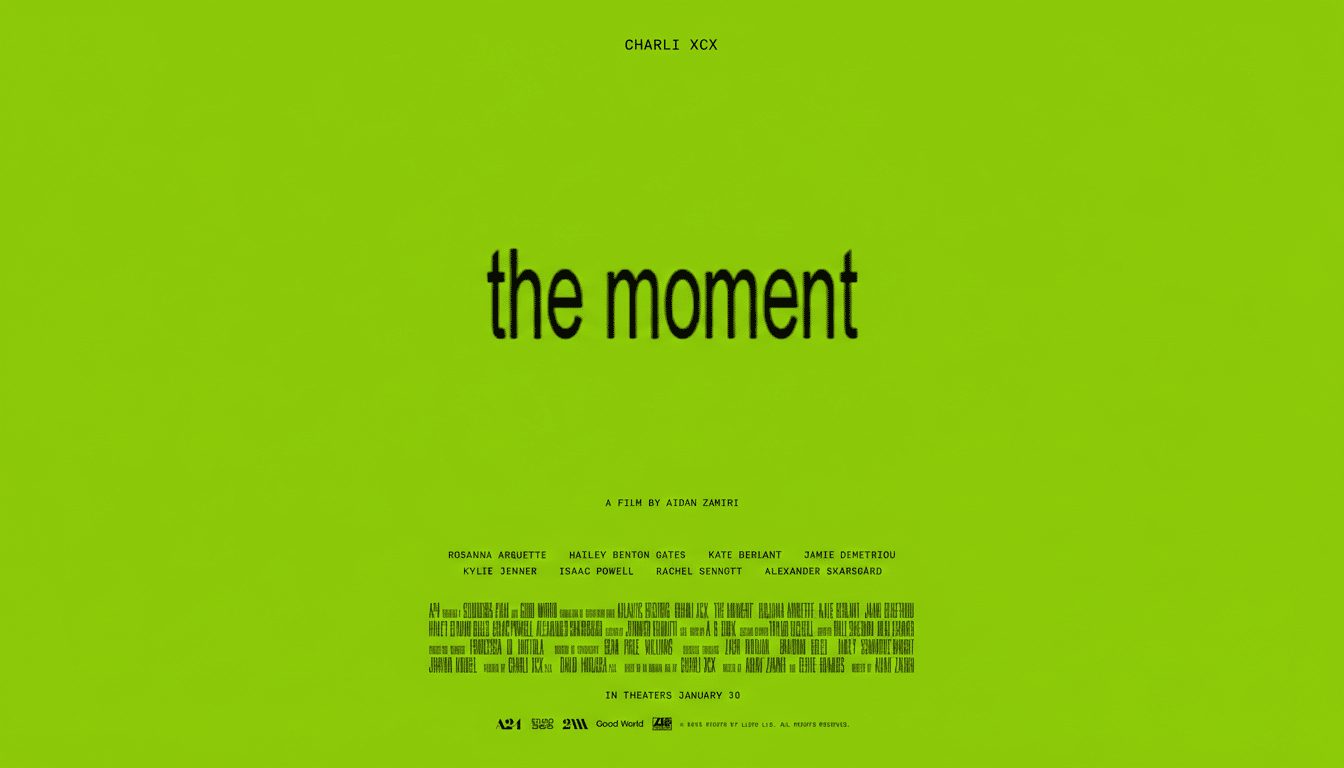
Charli herself is the linchpin. Pop stars playing versions of themselves can curdle into performance art cosplay. Here, the self-portrait feels genuinely risky, closer to St. Vincent’s The Nowhere Inn than to glossy brand-shapers like concert films or polished confessionals. By bending reality, The Moment reaches a truer emotional register: it captures what omnipresent cameras do to the nervous system.
What It Says About Pop Fame Today And Beyond
The film lands amid an industry upswing that paradoxically tightens screws on artists. Pollstar has tracked record-smashing tour grosses across the top tier, raising arena stakes to pyrotechnic levels. Meanwhile, IFPI’s Engaging with Music reports highlight how short-form video now drives discovery, compressing hype cycles until an album’s “moment” can expire faster than its shipping date. In that environment, labels chase extensibility while artists try to protect the messy, mortal impulse that started the work.
The pressure isn’t just financial. Help Musicians’ Can Music Make You Sick? studies documented elevated rates of anxiety and depression among music creators years before the current touring arms race, and support lines like Music Minds Matter report sustained demand. The Moment folds those realities into its texture without soapboxing—an Ibiza escape, a bathroom bender, a backstage wobble—observing how success can feel less like a high and more like an accelerating treadmill.
Unlike many pop docs, this isn’t PR with catharsis baked in. It’s a controlled burn about ownership: of color palettes, lowercase titles, choreography, time, sleep, and self. The most telling flourish is formal, not narrative—the way Zamiri’s strobing motif mutates from party-light euphoria to an outright visual tinnitus. The same radiance that sells a tour underscores the chronic buzz that won’t switch off.
The Moment is sly, unsentimental, and—ironically—deeply humane. By making the artifice obvious, Charli XCX and her collaborators let the real subject come into focus: what it costs to be everything to everyone while trying to remain someone to yourself. For a film about being the moment, it’s startlingly clear-eyed about what comes after.
