


Health tech didn’t just show up at CES this year—it took the spotlight. From assistive exoskeletons to AI-powered mood boosters, the newest wave of wellness gadgets aims to make daily routines easier, safer, and more personalized. Below are the 10 standouts that signal where consumer health is heading next—and why they matter.
Why These Wellness Devices Matter For Daily Life
Wellness tech is moving beyond step counts and sleep graphs into targeted interventions, early anomaly detection, and adaptive support. That shift reflects urgent realities: WHO estimates more than 55 million people live with dementia worldwide, roughly 300,000 hip fractures occur each year in the US, and up to 75% of women experience vasomotor symptoms during the menopause transition, according to the North American Menopause Society. The best CES devices respond to these needs with smarter sensors, approachable design, and clear use cases.
- Why These Wellness Devices Matter For Daily Life
- Peri Wearable For Perimenopause Insights
- Tombot Jennie Robopup For Dementia Care Support
- Allergen Alert Portable Food Allergen Tester
- Dephy Sidekick Robotic Calf Exoskeleton Assistance
- Smart Hip Guardian Airbag Belt For Falls
- SunBooster Near Infrared Desk Light For Workday Energy
- Petal Bra-Based Cardio And Breast Metrics
- Sensate Vagus Nerve Calming Device For Stress Relief
- Frenz Brainband Sleep And Focus Headband
- L’Oréal Flexible LED Mask For Skin Health
- How To Choose And What To Watch Before Buying
Peri Wearable For Perimenopause Insights
Peri is a discreet adhesive wearable that tracks hot flashes, sleep disruptions, cycle changes, and mood shifts, pairing those signals with app-based guidance. Early anomaly spotting and symptom journaling are notoriously hard to sustain; Peri automates both. It’s available for preorder around $449, with shipping slated soon. For millions navigating hormonal changes, quantifying triggers and timing could help tailor diet, exercise, or clinical discussions more effectively.
Tombot Jennie Robopup For Dementia Care Support
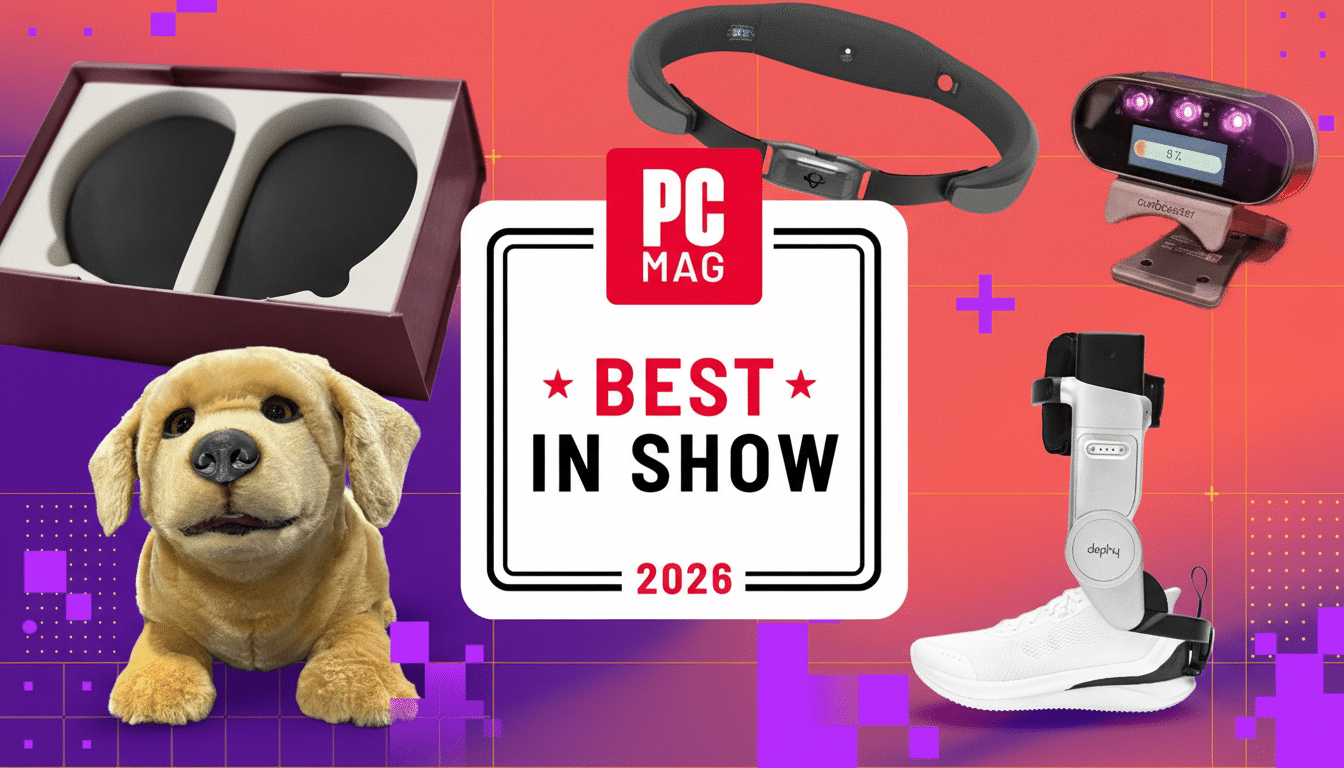
Jennie, a sensor-packed robotic puppy, is designed to deliver consistent, low-demand companionship for people with dementia. It maintains eye contact, responds to touch, and “behaves” like a calm dog—without the risks of a real pet. With WHO projecting dementia cases to rise sharply over the next decades, therapeutically aligned social robots like Jennie (about $1,500) could ease agitation and loneliness while supporting caregivers.
Allergen Alert Portable Food Allergen Tester
This pocketable device screens for common allergens—milk, eggs, peanuts, tree nuts, soy, wheat, sesame, shellfish, fish, and gluten—delivering results in roughly two minutes. US studies suggest around 10% of adults and 8% of children live with food allergies, and cross-contact remains a daily challenge. Expected near $200 with a subscription for disposable test pouches, Allergen Alert prioritizes speed and simplicity at the table.
Dephy Sidekick Robotic Calf Exoskeleton Assistance
Dephy’s Sidekick integrates removable “robotic calf muscles” into a sneaker-like platform to add powered assistance during walking. After a brief gait analysis, the system supplies a subtle push-off at each step. It’s not for standing, but it can extend comfortable walking time for sightseeing or daily errands, and it may help people with mild mobility limitations keep pace. The early-release price sits around $4,500.
Smart Hip Guardian Airbag Belt For Falls
Falls are a leading cause of injury in older adults. This sensor-rich belt predicts an imminent fall and deploys airbags roughly 0.2 seconds before impact to cushion the hips. Johns Hopkins Medicine notes hip fractures often lead to lasting loss of mobility; reducing impact forces is one of the few ways to avert complications. The system is slated around $799.90 for a two-pack, an investment that could be far cheaper than a hospital stay.
SunBooster Near Infrared Desk Light For Workday Energy
For deskbound workers, the SunBooster clips above a monitor and emits near-infrared (NIR) light—aiming to support cellular energy and mood without distracting glare. While evidence for light modalities varies by wavelength and dose, controlled exposure is drawing interest for daytime alertness. The device is expected around $249 and automatically shuts off after delivering a preset daily dose.

Petal Bra-Based Cardio And Breast Metrics
Petal tucks into a bra and uses bioelectrical impedance plus heart-sensing to estimate breathing rate, heart rate variability, BMI, and breast tissue characteristics. HRV, widely used by athletes and researchers, correlates with recovery and stress. The company says AI training included breast MRI data to inform future anomaly detection. It’s listed at $199 (or $149 preorder), with the usual caveats: not for pregnancy or implanted devices.
Sensate Vagus Nerve Calming Device For Stress Relief
Sensate rests on the chest and uses soothing vibrations and infrasonic tones to nudge the parasympathetic nervous system. Early studies on noninvasive vagus nerve stimulation suggest potential for stress reduction and improved heart rate patterns, though large-scale trials are still developing. Paired with a sound library, Sensate starts around $369 and targets high-stress routines where quick downshifts matter.
Frenz Brainband Sleep And Focus Headband
The Frenz Brainband uses sensors to read brain activity and adapts audio in real time to help users fall asleep faster or maintain focus. EEG-guided audio is an emerging area, with small studies suggesting benefits for boosting slow-wave sleep or sustaining concentration. The current model runs about $680; a premium SuperBrain Edition with a new design and a Focus mode is expected near $1,999 later this year.
L’Oréal Flexible LED Mask For Skin Health
L’Oréal previewed an ultrathin silicone mask that delivers targeted red and NIR light to address fine lines, laxity, and uneven tone. Dermatology groups note that consistent LED use can support mild photoaging benefits; the key is dose and routine. Pricing isn’t final and launch is slated for next year, but the design’s sheet-mask feel could boost adherence—an underrated variable in home skincare tech.
How To Choose And What To Watch Before Buying
Focus on fit, evidence, and follow-through. Ask which metric or feature will genuinely change a behavior, confirm whether data can be exported to your clinician, and check for ongoing costs like sensors or subscriptions. For devices with medical claims, look for regulatory designations, published validation, or partnerships with academic centers.
Bottom line: CES 2026 wellness gear gravitates toward targeted relief and everyday usability. If a gadget helps you walk a bit farther, sleep a bit deeper, or spot issues sooner, that compounding effect—not flashy specs—is the real upgrade to your routine.
