


CES 2026 wasn’t just a louder version of CES — it rewired expectations for screens, laptops, and the type of “wait, that’s real?” gadgets that make Vegas buzz. From TV standards that finally do justice to live sports, to laptops that stretch in the flesh, and robots climbing stairs — these are the seven stories that stood out above the show-floor noise.
Dolby Vision 2 Brings Live Sports Into the Big Leagues of HDR
TV manufacturers rallied around a new-generation playback standard called Dolby Vision 2, which promises to be brighter, punchier, and smarter with dynamic scene-by-scene tuning. The big win: Peacock is starting to release content in the new format, and NBA and MLB broadcasts are on tap to follow that, with legacy Dolby Vision material auto-upgrading if it’s supported. If it does interest you, then yes, you’ll obviously need a compatible set, but once it finally goes wider in Dolby’s pipeline the payoff is immediately obvious; fast action is notoriously tough for HDR to get right. With the rise in streaming sports viewership and Nielsen historically tracking live events as a major driver of time spent, this is well-timed.
- Dolby Vision 2 Brings Live Sports Into the Big Leagues of HDR
- LG’s Wallpaper OLED Returns Thinner Faster and Cable Free
- A Rollable Gaming Laptop That Expands To 24 Inches
- Dell XPS Comes Back With Focus On AI And Battery
- A Robot Vacuum That’s Actually a Stair Climber
- A Smart Lock That Doesn’t Draw Power From Wires
- One AI Assistant for Your Phone, PC, and a Wearable
- Why These Seven CES 2026 Announcements Really Matter
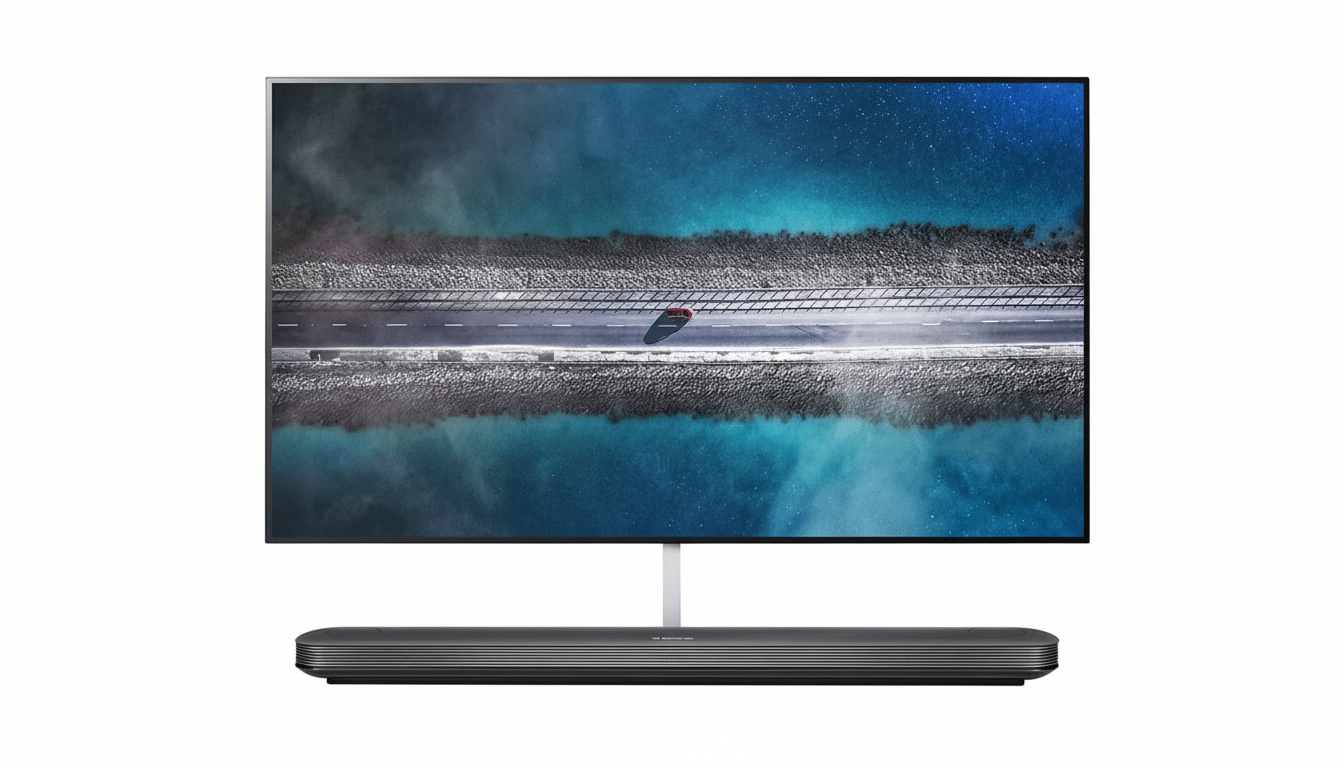
LG’s Wallpaper OLED Returns Thinner Faster and Cable Free
LG brought back its vanishing-on-the-wall OLED (as in, you can’t even see how it’s a TV?) and made one for real this time. Adding a 165Hz refresh rate for even smoother motion, the Wallpaper’s new model apparently features a more beefy processor and Zero Connect wireless video so only power is sent to the panel. Prices aren’t final, but LG dropped the hint that it’ll go along with the company’s top-of-the-line OLEDs — in the past a fat band ranging from just a few thousand dollars going all the way up into five (and possibly six) figures. There’s vitality given that “premium” is being redefined and torn apart by cutthroat competition, with TCL’s new 75-inch flagship set dropping down to $7,000 at the lower end of the super-high tier.
A Rollable Gaming Laptop That Expands To 24 Inches
Lenovo’s Legion Pro Rollable concept could be the strongest case yet for dynamic laptop screens. The panel glides horizontally from 16 inches to 21.5 inches and then grows into a 24-inch-length canvas, transforming an everyday notebook onto an ultrawide battle station. For similar people out there, that translates into additional timeline real estate or a wraparound field of view aspect ratio for gaming without the monitor deploying. It’s still a concept — panel durability, thermals, and battery draw are the big barriers — but it is an undeniable signal that rollable isn’t the sole domain of phones.
Dell XPS Comes Back With Focus On AI And Battery
With a renewed focus on performance per watt, Dell’s XPS line is back after a short hiatus. The new XPS 14 and 16 step up to Intel’s Series 3 Panther Lake chips with claimed AI performance improvements of 57% and 78% respectively, have thinner builds, and can sport as much as 27 hours of battery life depending on how it’s configured. High-res 2K and 3.2K panels complete a package squarely aimed at the high-end Windows gallery. Assuming those efficiency claims hold up off the lab bench, it’s the perfect countermove in a market that’s quickly being defined by on-device AI accelerators and all-day runtimes.
A Robot Vacuum That’s Actually a Stair Climber
Roborock’s Saros Rover is the rare robot vacuum that offers gains beyond incremental suction figures. Its retractable, leg-like appendages relieve the main wheels of lifting the bot off the ground, raising ground clearance by nearly a foot and enabling it to climb stairs, hop over short gaps, or tilt itself up to avoid traps. In theory, that makes cleaning on more than one level — “why am I doing this upstairs again?” — into true autonomy. All depends on reliability and pricing, but as a benchmarking of robotics — from flat-floor cartography to actual mobility — it’s one for the ages.
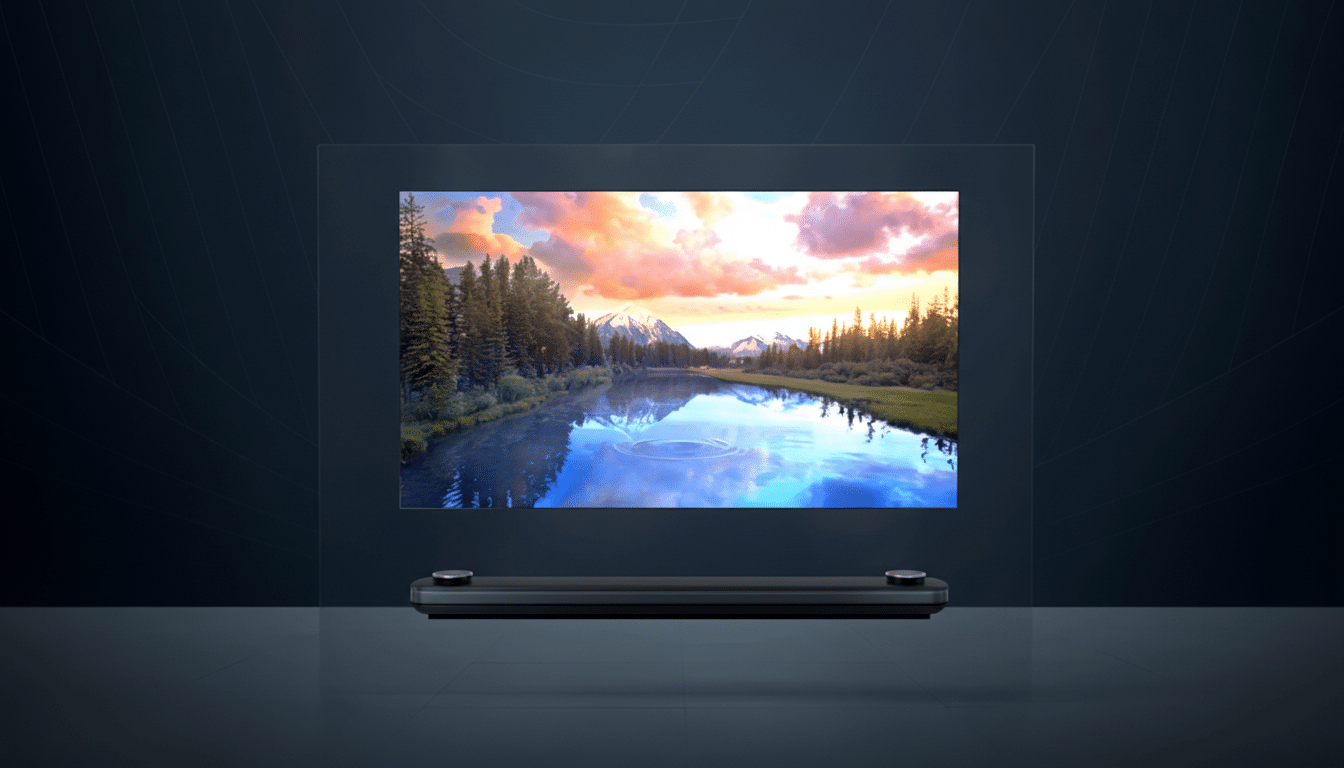
A Smart Lock That Doesn’t Draw Power From Wires
Lockin’s V7 Max features a system known as AuraCharge that works like an optical transfer of power which projects energy from a small-ish transmitter directly to the lock, for four meters at max. If it delivers as advertised, that’s fewer dead-battery emergencies and no drilling for doorframe wiring. “Optical power transfer is at a point where it’s transitioning from lab demos to useful ranges, and researchers in the IEEE community have been reporting consistent efficiency gains,” says Lockin, one of the first to incorporate this technology into a mass-market smart-home product. CES is renowned for its vaporware, but there’s definitely something to this being a shrewd crack at an actual pain point.
One AI Assistant for Your Phone, PC, and a Wearable
Motorola and Lenovo introduced Qira, an AI assistant that lives across your laptop and phone and also powers a tiny wearable called Project Maxwell, an “AI pin” for hands-free help. Qira is more than just a chatbot front end — it’s capable of transferring files between devices, suggesting contextually relevant actions, and creating a “fused” memory model based on documents, photos, and user-approved interactions. Think of them as an agent that knows where your stuff is and can act on it. It is a practical step toward the device-spanning assistants that analysts at firms like Gartner have said they expect to become the default across ecosystems, with privacy controls and on-device processing serving as markers of who gets trust.
Why These Seven CES 2026 Announcements Really Matter
Collectively, they sketch the new consumer tech stack: sharper sports-first TVs, real-life laptops that flex to meet your digital life demands, and bots that keep up with — or even run — behind-the-scenes household chores. It’s a privilege to travel in this world as it temporarily eclipses 2019 and becomes the center of our culture again. And yet, there is a danger to tech leading; technology long ago leaked out of Silicon Valley into every other part of the world. All these technologies will change humanity immeasurably over time. New NVIDIA blows our minds. There are few ways to get smarter quickly than spending some time listening to NVIDIA’s CEO discuss his company’s latest stuff.
If you follow just one measure of progress this year, make it utility — every one of these demos shows a tangible, real-world win, and not some lab trick. That’s what it takes for CES to become, well, not all spectacle.
