


CES was back with its usual spectacle and one clear message: AI has insinuated itself into just about every corner of consumer and enterprise tech, from the silicon in the heart of data centers to weird games on a gamer’s desk. On the show floor and behind closed doors, the major stories revolved around Nvidia’s next architecture, AMD’s drive to bring AI to every PC, and Razer’s unabashedly strange companions that suggest where personal computing could go next.
Nvidia Is Ahead With Rubin And Real-World AI
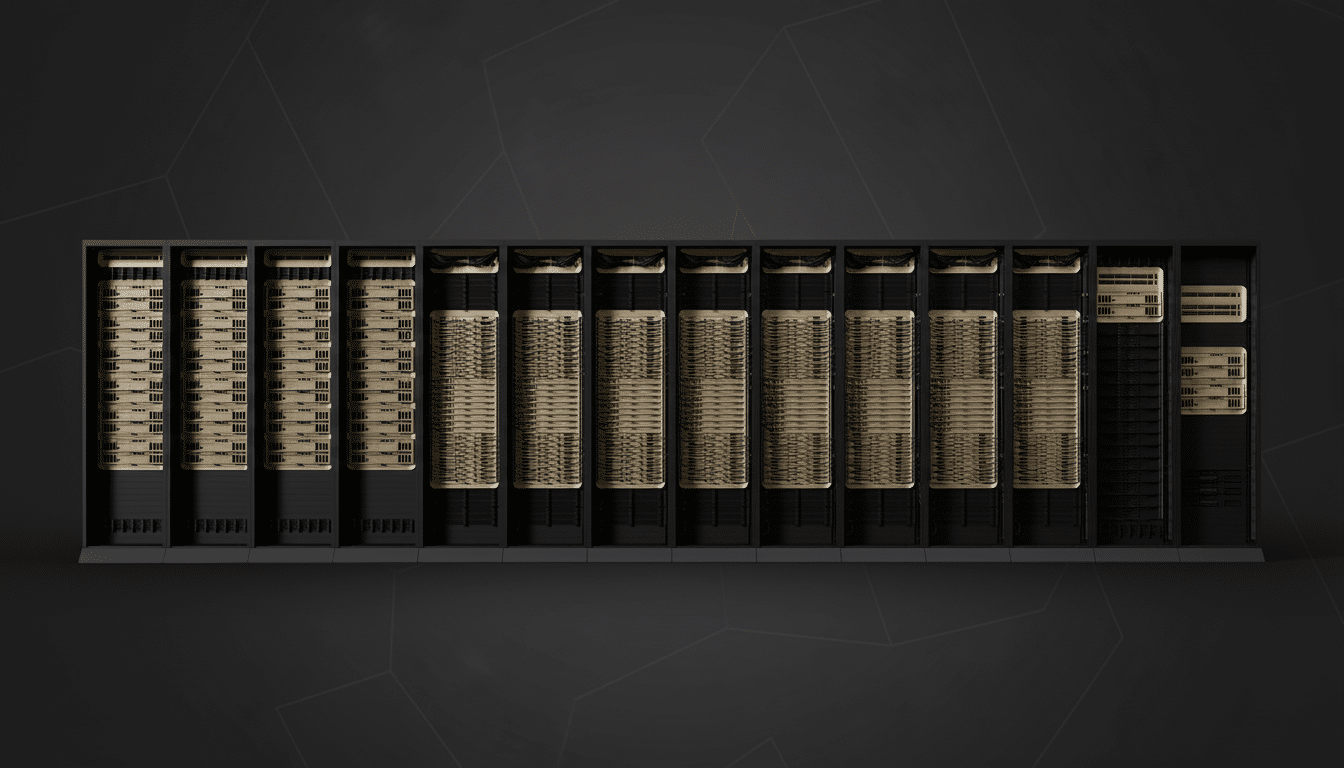
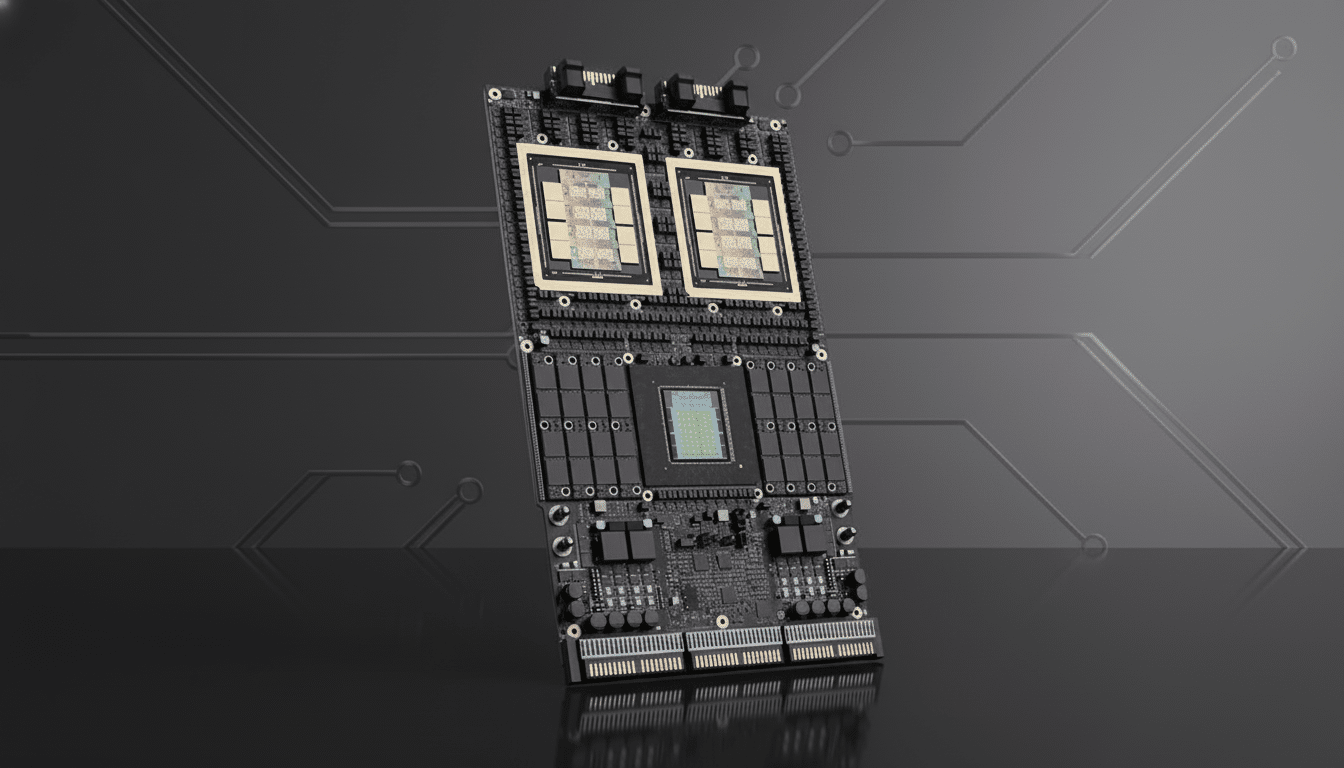
The Nvidia event was both a victory lap and a roadmap presentation. The company released more information about Rubin, its next computing architecture, which is expected to start replacing Blackwell in the latter half of the year. The focus: throughput and memory flexibility to handle ever-expanding multimodal models, along with storage improvements intended to keep GPUs well-fed rather than idle. The cadence says it all — Nvidia is really just normalizing a generational cycle that mirrors data center demand for larger context windows and faster training–inference turnarounds.
- Nvidia Is Ahead With Rubin And Real-World AI
- AMD Broadens AI PCs With Ryzen AI 400 Series
- Razer’s Take On The Ambient AI Companion
- Robots And Heavy Machines Get Smarter at CES 2026
- Cars And Voices Find Their AI Strategy At CES 2026
- Gadgets That Make A Scene On The CES Show Floor
- The Larger Context From Las Vegas: AI’s Next Phase
Just as remarkable was Nvidia’s foray beyond the rack. The Alpamayo family of open-source AI models and tools — targeted at autonomous systems — is a platform play in mobility and robotics. The company is partnering with transportation and industrial automation partners to establish its stack as the de facto layer for generalist robots and self-driving capabilities, while Nvidia Omniverse — due to anchor simulation, validation, and digital twin workflows that shorten deploy-cycle times — will remain a neutral zone.
AMD Broadens AI PCs With Ryzen AI 400 Series
AMD’s keynote, with chair and CEO Lisa Su and guests from industry voices OpenAI, Stanford AI Lab, and Luma AI, emphasized a different frontier — personal computing. Ryzen AI 400 Series is focused on shifting more inference on-device, which not only lowers latency and cloud spend but also enables new privacy-sensitive workloads for creators and knowledge workers. The appeal for PC makers is obvious: cohesive AI experiences off the internet, smoother video effects and transcription, room for new assistants that won’t murder battery life.
The pitch comes when laptop refresh cycles are ready to be updated, and software is beginning to catch up. OEMs want NPUs that can run a stack of background models without throttling the GPU and CPU, and developers require predictable targets. If AMD is able to balance TOPS, memory bandwidth, and thermal envelopes through its full mobile stack, you can expect to see more “AI-first” notebooks sitting on store shelves going into the back half of 2026.
Razer’s Take On The Ambient AI Companion
Razer replaced brute-force hardware stunts with some speculative AI ideas. Project Motoko wants to provide glanceable help like smart glasses, without wearing anything, of course, hinting at spatial audio and minimal displays that can blend in with your surroundings. Project AVA is taking that a step further by incorporating the concept into a desktop avatar in terms of presence and functionality. Three of the five are in the same family as existing products, but they hint at a beyond-chatbot future where assistants are persistent and ambient — and branded, which may well change how gamers and streamers maintain complex workflows.
Robots And Heavy Machines Get Smarter at CES 2026
Hyundai and Boston Dynamics announced they were collaborating with Google’s lab to train and deploy Atlas as well as a new humanoid permutation, shifting the robotics conversation toward general skills that pass from task to task.
It’s a practical move: secure data pipelines, robust simulation, and repeatable policies matter more than shiny demos when moving robots out of controlled environments.
On the industrial front, Caterpillar and Nvidia unveiled a “Cat AI Assistant” pilot for excavators, in addition to an Omniverse partnership that aims to apply the platform’s technology to construction planning and jobsite execution. Think of it as putting a co-pilot in the cab with a perpetually refreshed doppelgänger. If the tool saves rework or increases utilization by only single percentages, the ROI for large fleets is handsome.
Cars And Voices Find Their AI Strategy At CES 2026
Ford says it will roll out its assistant within the Ford app several years before putting it in cars themselves, with hosting done via Google Cloud and the model layer cobbled together from off-the-shelf LLMs. Accelerate product learning, tune intent handling, then ship to the dashboard (where reliability and UX stakes are higher). The specifics on capabilities were vague, but laying the groundwork today could result in fewer headaches when the 2027 in-vehicle target is upon us.
Amazon’s Alexa+ expanded out to Early Access on the web and in a new app (with updates across Fire TV and Artline TVs). Amazon has more spoken word content launching soon, specifically from big names like Jim Gaffigan and Dolly Parton, as well as “a really wide array of content,” including guided meditation sessions. The throughline remains consistent: unify voice, multimodal search, and ambient control under one assistant that stretches from your couch to your kitchen to your car. Ring, on the other hand, brought in alerts to make it smarter and expanded more options for third-party camera integrations — to complete the home perimeter for those who are already deep inside the ecosystem.
Gadgets That Make A Scene On The CES Show Floor
The $499 Communicator smartphone from Clicks Technology manages to resurrect the physical keyboard without feeling retrograde. Its contoured back and elevated screen make it feel bold in the hand, which, along with a $79 slide-out keyboard accessory that Magnet leads me to believe not only feels pretty great here but on other devices as well. There’s a practical one as well, beyond nostalgia: thumb typing that does not occlude the display and, with physical keys, precise input for those who do a lot of messaging.
Lego hosted a private showing for its Smart Play System — interactive bricks, tiles, and Minifigures that prompt sounds and behaviors, in launch sets featuring Star Wars. It’s a rare combination of physical creativity and coded logic that doesn’t push kids toward any kind of screen but makes bricks themselves the interface. For parents, the promise is clear: durable toys that grow along with increasingly nuanced play patterns.
The Larger Context From Las Vegas: AI’s Next Phase
Peel back the neon layers, and a clear story surfaces. Nvidia is solidifying the backbone for frontier models while planting flags in robots and cars. By bringing AI home, AMD is making the PC matter again: faster, local processing and storage. Razer is experimenting with the limits of how we’ll deal with our assistants. And no matter if we’re talking about automakers, industrials, or smart home platforms, same same: measurable utility, tighter loops between simulation and the real world, and assistants that pay their rent.
Where CES 2024 and 2025 were about proving that AI could show up everywhere, CES 2026 is about making it stick — reliably, affordably, and in products people actually want to use.
