


It was all too easy to miss the biggest PC stories at CES 2026, amid all the geysers of RGB lighting and jacked-up-shark-filled-with-custard-style marketing efforts. Back at CES 2026, a focused wave of all-in-one systems and any-part availability that reimagined thermals, displays, and power delivery had builders and pros seeing real benefits rather than just eye candy.
The highlight reel tows a line between godlike AIOs with creator-headed displays, a keyboard PC rebirth, how many watts you can handle out of the RTX 5090 or bust for overclocking enthusiasts, smarter safety of GPU connectors, and PCIe 5 storage finally sized — and cooled! — for the mainstream. Here’s what caught our eye, and why it matters.
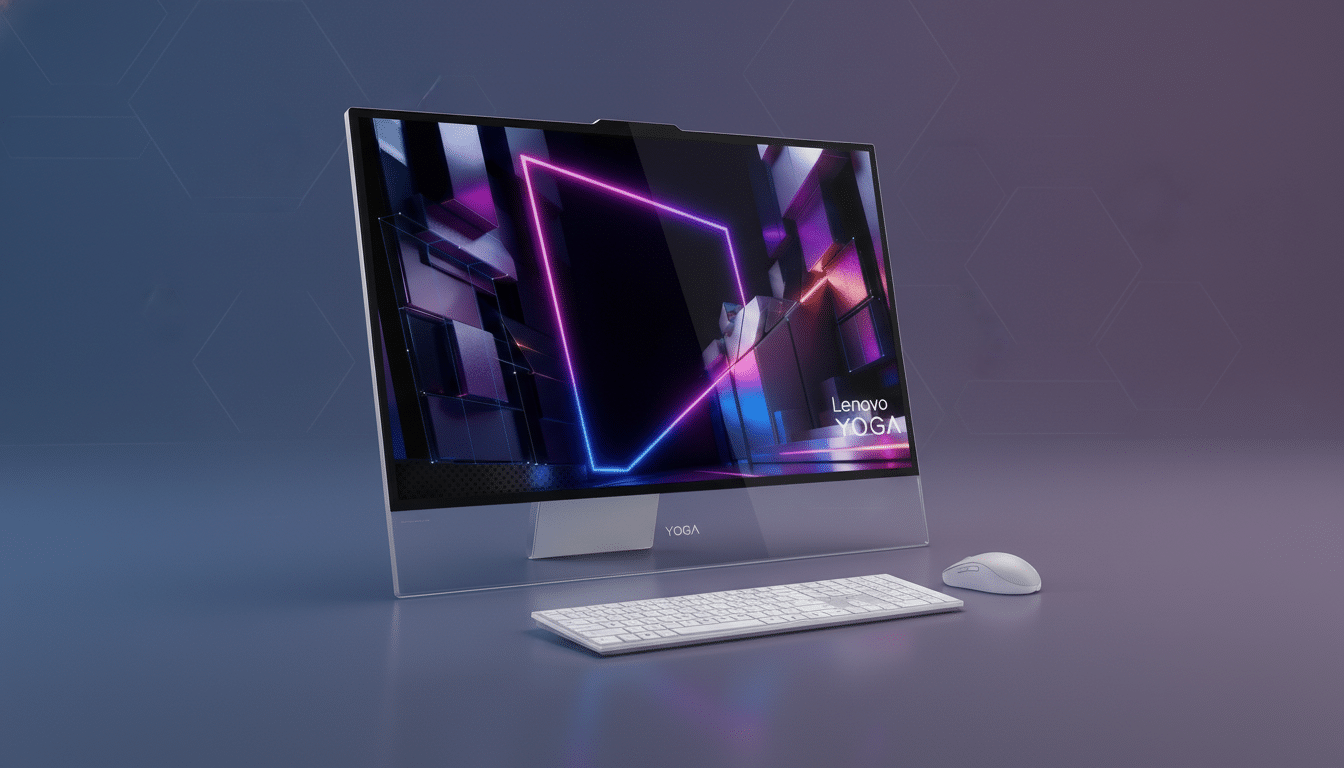
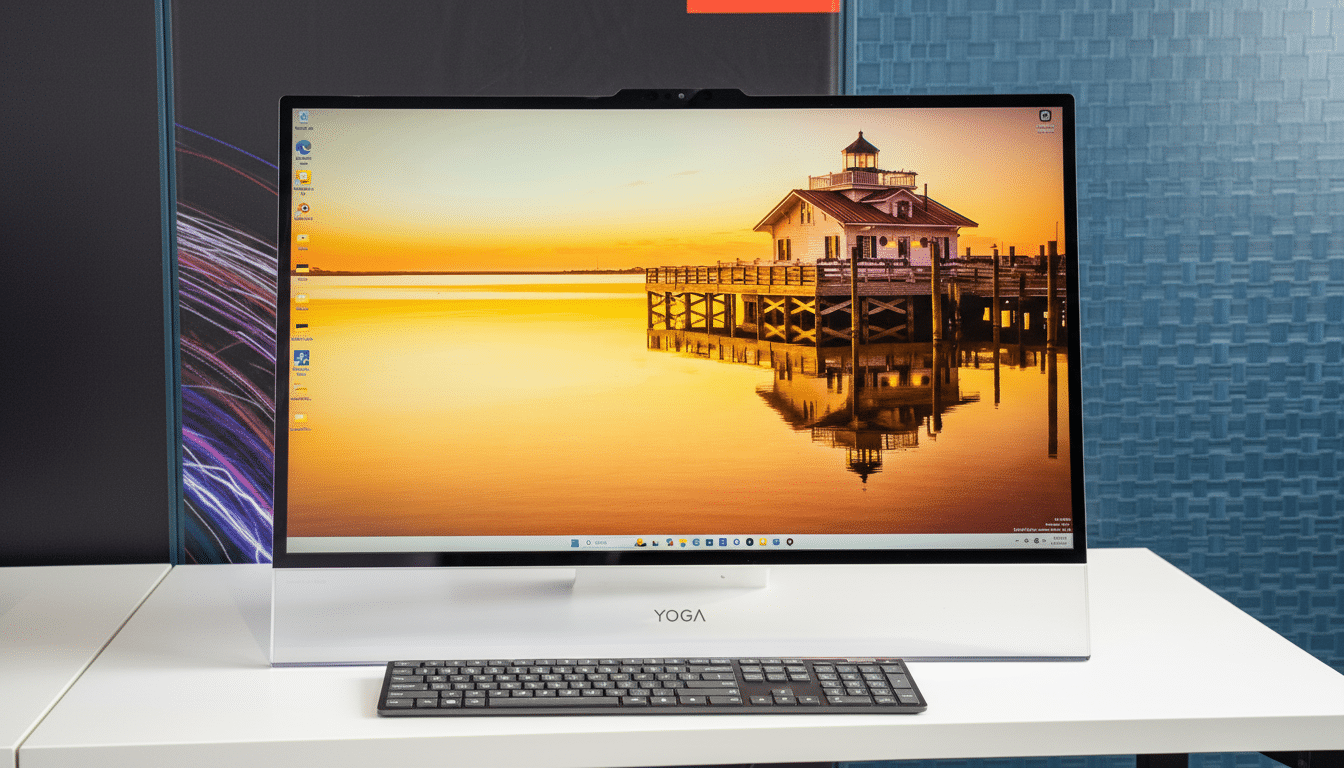
All-in-Ones Step Out of the Shadows at CES 2026
Lenovo did push the category ahead on two fronts. The Yoga AIO i Aura Edition combines a 31.5-inch 4K OLED display at 165Hz with a high-end design together with an integrated transparent LED-lit bar that can show ambient visualizations and notifications. And below its hood sits an Intel Core Ultra X7 “Panther Lake” processor with up to 32GB of memory and up to 2TB of storage; it’s meant for creators who require speedy scrubs on their timelines but can’t afford to lose any color accuracy.
For productivity diehards, the ThinkCentre X AIO Aura Edition focuses on a near-square 27.6-inch display at 2,560 by 2,880 with an aspect ratio of 16:18. That geometry works out well in code, spreadsheets, and doc work, and Lenovo’s Share Zone makes the panel divide cleanly between the AIO and an attached laptop — essentially a no-dock dual-system workstation. It’s one of the few instances where industrial design actually serves workflow.
Desktops, Bold Now With a Purpose at CES 2026
Asus’ ROG G1000 is unabashedly maximalist, but at least it makes technical sense. Its AniMe Holo panels (that’s not a typo, that is their name) use high-speed LED bars to produce hologram-style animations behind the glass — programmable for stills or video — while the three-zone thermal design and 420mm CPU radiator suggest the airflow story is as serious as the light show. It’s theater, not ninjaing into thermals.
HP EliteBoard G1a revives the keyboard computer with modern silicon. Imagine a modern Commodore 64 reimagined to fit into your pocket with an AMD Ryzen AI 300-series processor, between 8 and 64GB of RAM, up to 2TB of storage packed in there and offered in either a battery or wired configuration. In an age of hot-desking and conference-room hopping, a large keyboard that doubles as an entire PC seems surprisingly timely.
Graphics Muscle Redefined for Overclocking Builds
MSI’s GeForce RTX 5090 32G Lightning Z is made for overclockers who regard power budgets as mere suggestions. A 40-phase power design and an independent liquid-cooling loop — one that runs to a large 360mm radiator, circulates through the card, and ends at a beefy copper block — was built out for sustained clocks close to the limits of what a 5090 can handle. The two 16-pin connectors and a recommended PSU of 1,600W say the rest. A bundled riser and an 8-line status/animation screen make it a show build piece, and MSI will cap production at 1,300 units.
Security-wise, Cooler Master’s GPU Shield Adapter Cable watches the power going through the 12VHPWR connection and raises a flag if it notices anything strange. Following widespread images of damaged connectors that prompted the PCI-SIG to tighten guidance around 12V-2×6, this kind of telemetry-first add-in is the logical successor enthusiasts have been calling for.
Processors and Motherboards Fine-Tune for AI & Gaming
AMD’s Ryzen 7 9850X3D relies on the tried-and-true formula of 3D V-Cache with conservative clocks that AMD says generate about an 8% gaming uplift compared to the 9800X3D in its internal numbers. Value will depend on price and third-party testing, but it’s the kind of expected performance gains (in line with increased PSUs, cooling options, and motherboard support) that make this perhaps the mainstream sweet spot for high-FPS rigs of tomorrow.
Gigabyte’s X870E Aero X3D Wood matches the AM5 platform with a “carefully designed” aesthetic — wood accents over the rear I/O area and edges accompanied by a silver matte finish. Beneath the trappings, it’s assembled to extract more from X3D chips, featuring an AI-aided boost mode designed for gaming responsiveness. It’s an unusual board that uses looks and latencies as equal priorities.
Storage and Cooling Quietly Level Up for Gen 5 PCs
Micron’s 3610 SSD is proof that PCIe 5 has grown up. This DRAM-less, QLC drive does up to 11,000MB/s reads and 9,300MB/s writes in Micron’s numbers, comes single-sided for more snug slots, and ranges up to 4TB. Only available for sale to system builders, but the type of spec that will soon, silently be showing up in desktops and laptops as large OEMs move quietly onto Gen 5 performance.
Cyberpower’s MA-01 case may be anti-glare when it comes to the RGB, but what a case it is for less than 50 bucks!
Air-directing panels help fans “sit” in your build for a sleek look and focused airflow, and three analog dials enable builders to fine-tune the R, G, and B values as well as pulse patterns — no app needed. Fine touches such as curved glass, a slide-in PCIe slot cover, and the option for a stainless-steel wire grille on the top vent indicate that this is most likely the work of a design team obsessed with the final 5% of polish.
On the air-cooler front I took a look at Cooler Master’s V8 Ace 3DHP, an update of this classic brand’s muscle with a new twist. This will allow heat to transfer by more than 30 percent compared with traditional designs via four patented “3DHP” heat pipes, dual large fans on durable bearings, and a solid-copper base, the company says. There are also black and white versions to suit the current monochrome build chic while pursuing liquid-looking thermals with no pumps.
Combined, the 2026 crop is evidence of a much quieter transition; no longer do premium PC builders and purchasers want visual flair that takes away from — more so than anything else in the PC’s chassis — the thermal headroom and workflow addenda. As component makers home in on smarter power, cooler storage, and creator-grade displays, the desktop is not just alive — it’s becoming sharper, safer, and faster in all the right ways.
