


CES has been known to be all about smart-home spectacle, but this year’s showstoppers tended more toward substance than stunts. The most intriguing gadgets cut down on setup friction, removed charging hassles and provided us something close to the fantasy of actual useful automation. Here and elsewhere on the show floor, the message came through loud and clear: less fiddling, more doing.
That change tracks what the Consumer Technology Association has observed in its own research: that convenience and security continue to top as buying triggers, but expectations for reliability have been growing.
- Roborock Saros Rover conquers stairs for multi-level homes
- Lockin V7 Max automatically charges itself via IR power
- Ring Sidewalk sensors skip hubs with out-of-the-box setup
- GE Profile smart fridge tracks groceries with barcode scans
- Lutron Smart Blinds Tame the Harshest Sun
- Robotin R2 Pro deep-cleans your carpet with swappable module
- LG CLOiD hints at a real home helper with appliance control
- Why these smart home picks matter for everyday living
These are seven products that most exemplified that change — with a few caveats where they count.
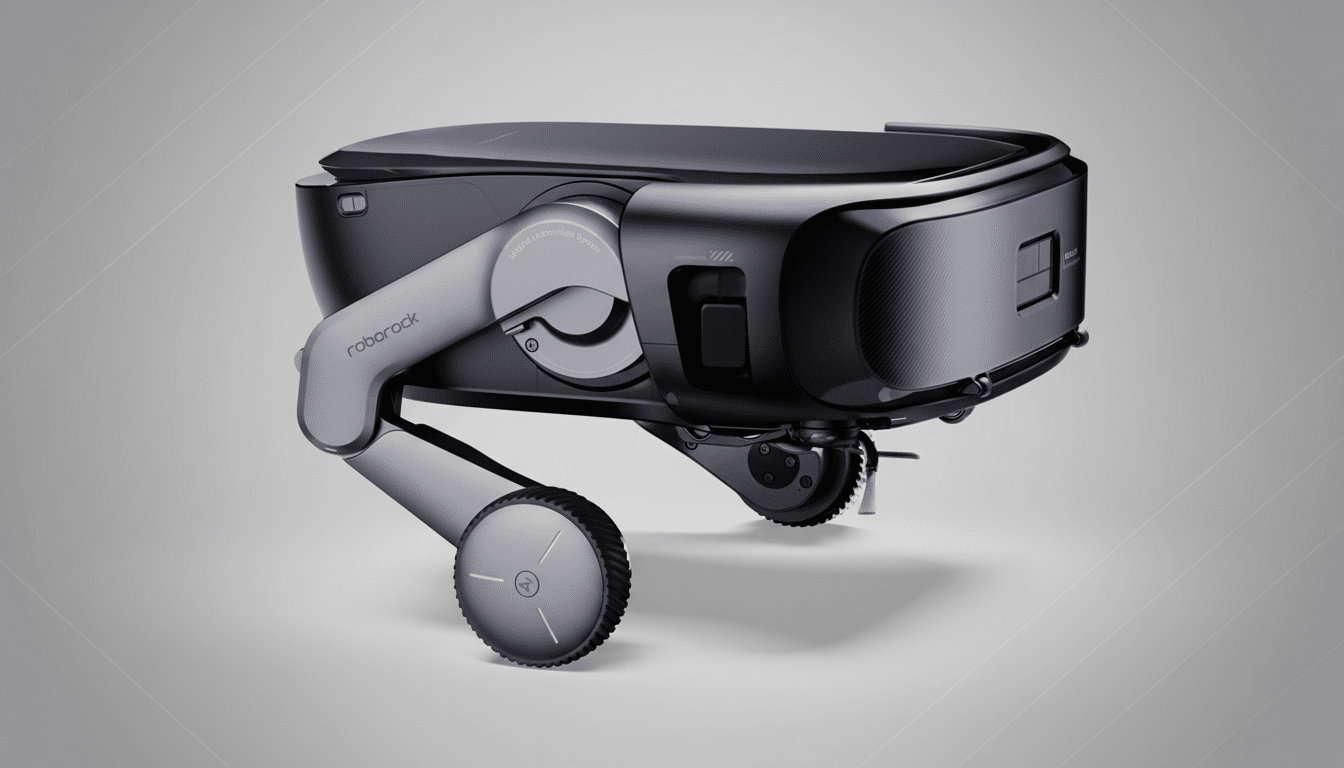
Roborock Saros Rover conquers stairs for multi-level homes
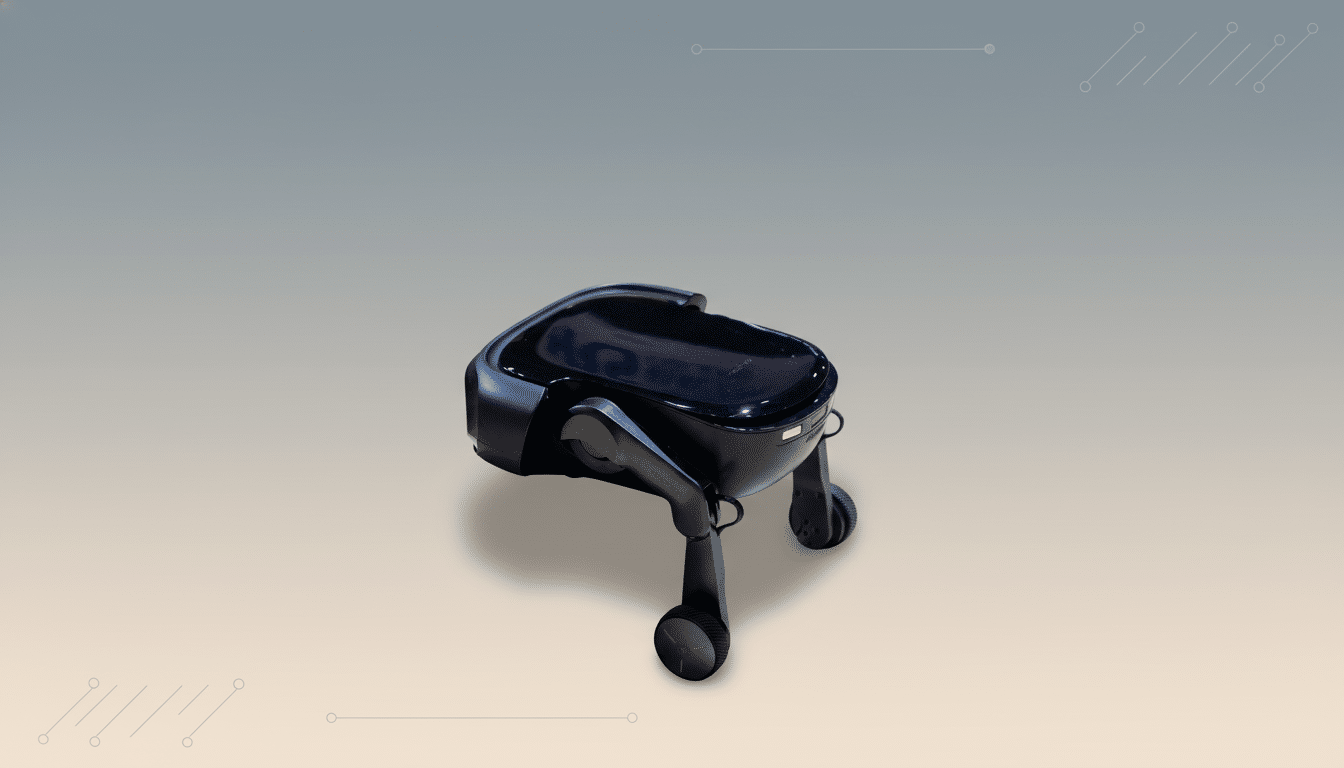
Split-level homes have always been a problem for robot vacuums. Roborock’s Saros Rover addresses the literal step-change with independently actuated legs that lift, brace and climb as it cleans. In live demos, the bot climbed typical stairs, flattened the brush head into the tread and navigated bumps without needing ramps or a human carry-ups.
It may sound bonkers, but it tackles a daily annoyance. For millions of houses with more than one floor, a vacuum that can get from one to another on its own is the difference between something you use once in a while and something you use every day. The proof will be in the maintenance — more actuators mean more complexity — but if Roborock’s track record with self-cleaning docks serves as any guide, the payoff could be significant.
Lockin V7 Max automatically charges itself via IR power
Dead smart-lock batteries are a main reason people go sour on connected doors. Lockin’s V7 Max dodges that chore with a bit of wireless optical power: A transceiver inside, about 13 feet away in the same apartment, beams eye-safe infrared light via an eyepiece to a receiver on the backside escutcheon, where it trickles enough juice onto the lock to keep it fully charged, wirelessly and without requiring any sunlight.
It’s no mere science project. The company claims eight certifications from third-party labs and loads of thoughtful extras — dual exterior cameras to serve as a video doorbell, plus fingerprint, palm and face unlock with on-device AI-based recognition. The downside is price, and the estimate moves up into premium-land. Yet the image of a smart lock never needing to be charged could certainly reset what people expect from the category.
Ring Sidewalk sensors skip hubs with out-of-the-box setup
Ring’s new sensors automatically connect to Amazon Sidewalk out of the box, so you don’t have to pair up the hubs and jump through Wi-Fi hoops. Put the motion, water-leak or smart plug modules where you like them, bring them into the app and they can hitch a ride over neighboring Sidewalk networks — fine for detached garages, mailboxes or sheds.
Amazon has described the coverage area of Sidewalk as covering more than 90% of the U.S. population, making these less data-devouring devices a good fit for it. The privacy concerns that greeted Sidewalk at its launch are echoed in Ring’s willingness to offer documentation about the service as well as controls for opting out and managing participation.
GE Profile smart fridge tracks groceries with barcode scans
GE’s Profile Smart Fridge uses a barcode scanner that is connected to a database of about four million products. Smash the final yogurt or broth carton into the recycling, and it scans itself; the refrigerator updates a shared list that you can see on the door display screen or within an app. Built-in interior drawer cameras provide you with fast visual confirmation from the store.
It’s a crude loop of waste and inconvenience. The USDA reports that 30-40% of the food supply in the United States is wasted. Smarter inventory won’t solve that by itself, but less double-buying and better sight lines into what we already have would be tangible ways to help — and more compelling than recipes stuck behind a paywall.
Lutron Smart Blinds Tame the Harshest Sun
The newest app-connected wood blinds from Lutron automatically tilt as the day progresses and you, along with them, based on your location and window exposure. The system, which is known as Natural Light Optimization, is designed to allow softer daylight in and cut down on the midday glare that can fade furniture and roast your home office.
They are different from light-sensitive shades in that they track a solar schedule rather than reacting to clouds, meaning behavior is more predictable but can turn on overcast days. The good news is, they operate on long-life disposable batteries, so no wiring to fuss over. That combo of ease and convenience is tough for renters — or people on a budget who need to try to get utility from marginal spaces many New York homes have stuffed away somewhere — to beat.
Robotin R2 Pro deep-cleans your carpet with swappable module
Most robot mops spread around superficial dirt and avoid rugs altogether. Robotin’s modular R2 Pro has a dedicated deep-cleaning module that washes and dries carpets, and the company says it can be used to clean around 400 square feet in three hours. Change modules and it’s back to speedier vacuum-and-mop duties with hard floors.
If it is dried well and maintenance isn’t too high of a barrier, this could substantially cut down how often you rent a carpet cleaner or schedule a service. It’s a big if — many clogs and persistent moisture are failure points commonly encountered — but the aspiration responds to a true canyon in today’s robot lineup.
LG CLOiD hints at a real home helper with appliance control
LG’s CLOiD is the crowd-pleaser of the show: a mobile, expressive robot that can grip, lift and communicate with compatible appliances.
Video: Providing unique robot capabilities at CES makes for one viable category: LG’s CLOiD prototype can grab, lift and coordinate with like-minded gadgets. The demo reel also portrays moving laundry, unloading a dishwasher and preheating an oven. It’s the nearest thing on the floor we have to a general-purpose home assistant.
Reality check: home robots often look dazzling at CES and then fizzle. Previous concept bots, such as folding-laundry machines or dish-loading arms, rarely made it to scale. If LG can figure out how to transform even a fraction of CLOiD’s capabilities into reliable, safe routines, then it would mark a milestone — but for the time being it’s simply a vision of what could be.
Why these smart home picks matter for everyday living
From wireless power to network onboarding that just works, the best of this year’s smart home made advancements on those boring but important bits: setup, power, autonomy. If you are shopping, make sure that the devices work with your existing ecosystem of smart-home products, and check privacy settings (especially for always-connected sensors and cameras) as well as ongoing maintenance alongside sticker price.
The bar has moved. A good smart device no longer requires more features; it needs less work. These seven point the way.
