


Every year at CES there are a dozen “smart” optics that purport to do more than they can. Cambi’s C1 Smart Binoculars are the exception to this rule of thumb. By combining a pair of real optical binoculars with an integrated high-resolution camera and on-device smarts, the C1 addresses the two biggest failings of earlier digital binoculars — clumsy use and disappointing images — while grounding it in a design that feels at home in the field.
Why This Binocular Design Makes a Difference
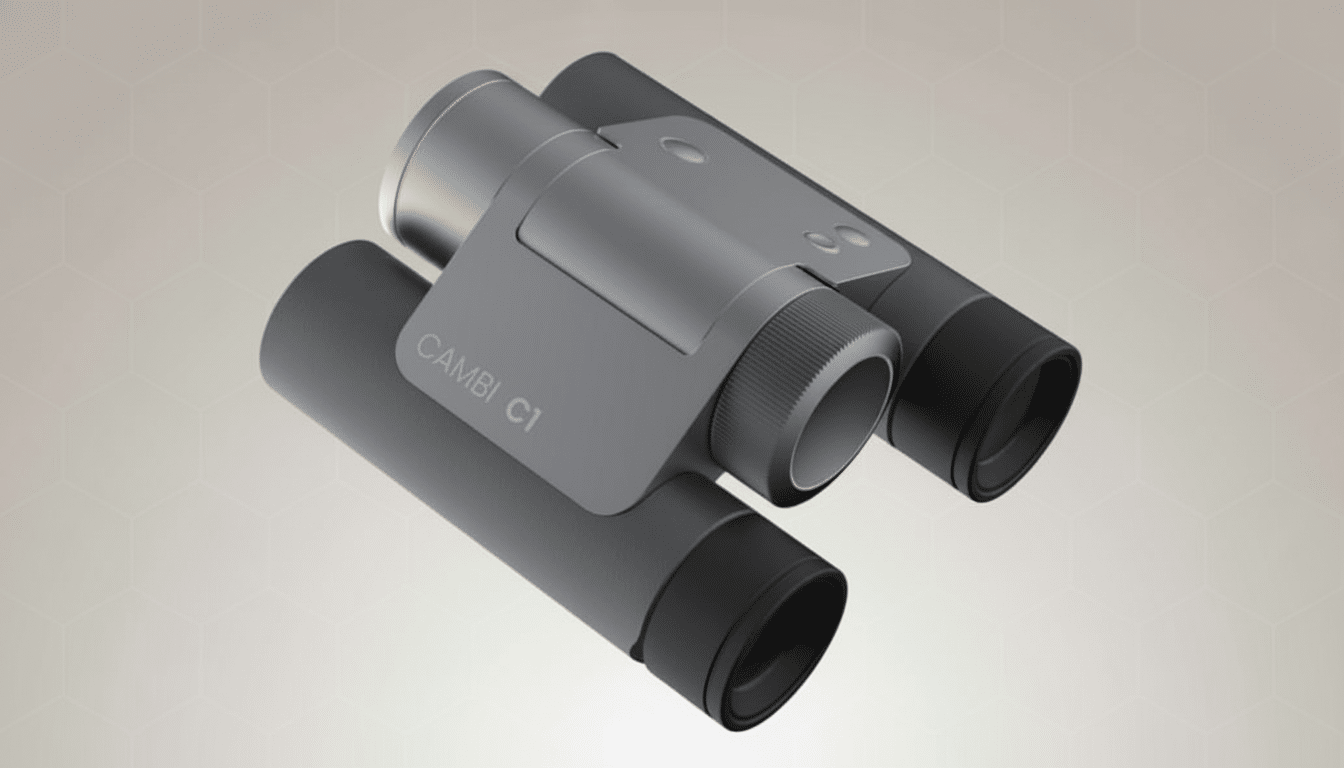
Most of what passes for digital binoculars elsewhere is actually a monocular with a small LCD that you hold out away from your face. And that stance enhances hand shake, detracts from immersion and frequently tops out at magnifications that don’t do much for birders or wildlife spotters. The C1 goes a different route: two standard 8×32 optical barrels for stereoscopic viewing, flanking a third objective dedicated to capture. That is, you view naturally through glass — stable, two-eyed and at ease — then shoot without losing the clarity that brought your subject to mind.
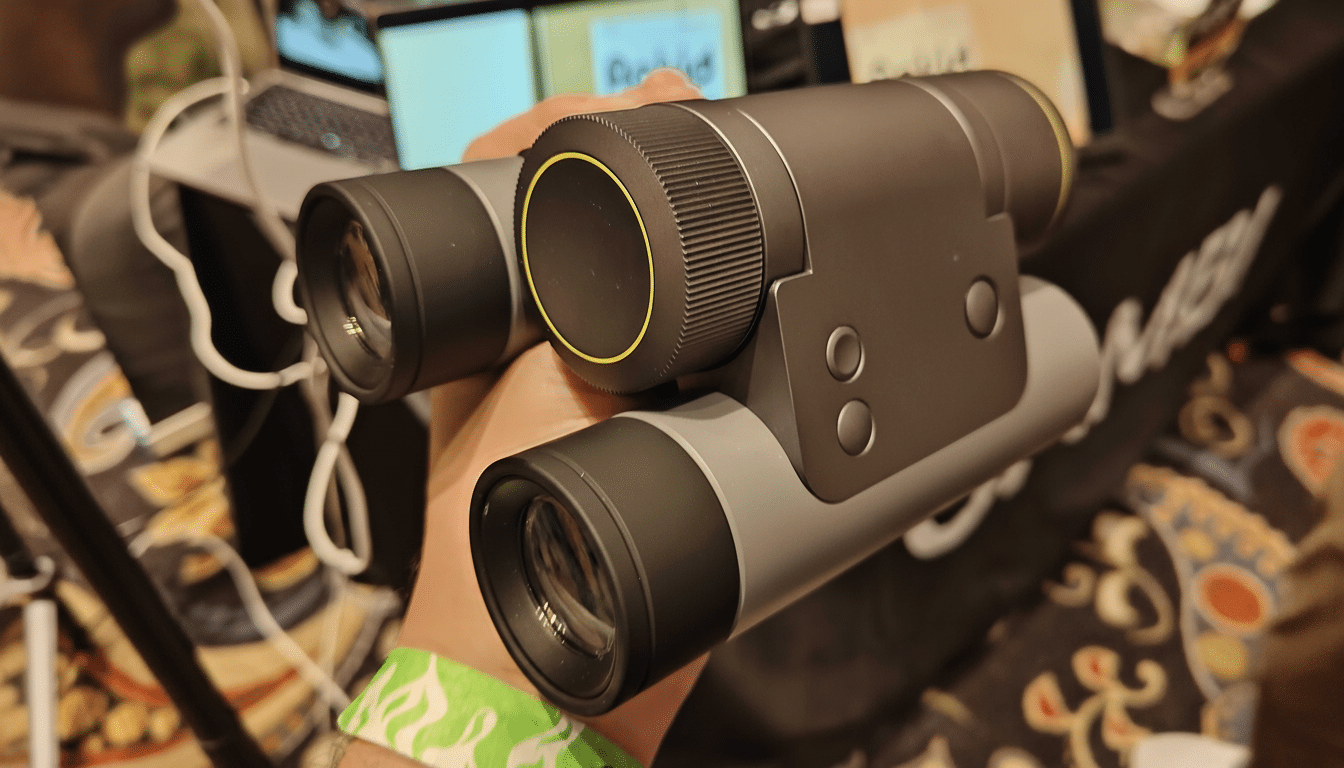
The 8×32 choice is savvy. An 8x power is a sweet spot in terms of stability and field of view among birders, and the 32mm objectives will keep weight reasonable for long days birding the trail. Cambi also mentions a seven-group/nine-element lens design it developed in partnership with a Japanese optical supplier, which would seem to indicate that the company was more interested at this point in clean, contrasty optics rather than just shunting everything through a screen.
What Cambi Is Promising With Its C1 Smart Binoculars
A 50MP stabilized camera with hybrid phase-detection autofocus, 4K video and burst shooting is behind the third lens.
The smart bit: you focus the optical binoculars manually as normal, but then allow the camera’s autofocus to refine the focus for its sensor. In theory, this hybrid workflow should eliminate hunting and lag, two problems that have plagued previous attempts at “record-what-you-see” binoculars.
Cambi also demonstrated a working prototype at the ShowStoppers press event, with red crosshairs snapping around recognized subjects. Prototypes aren’t final products, but functional demonstrations of awareness live on stage — and not as a canned demo — are enough to grab attention at a show filled with vaporware.
On-Device Intelligence, No Cloud Required
The C1’s key smart feature is on-device recognition: identifying and tagging animals and birds by species, even calling out constellations. That’s ambitious. Bird ID is considered a famously tough problem; not even great tools like the Cornell Lab of Ornithology’s Merlin could tackle it at first without huge datasets to hone models. Most of the smart feeder cameras send inference to the cloud for better accuracy and speed. Doing it locally offers quicker responses in the field, offline capability and improved privacy — but raises the bar for both hardware and software optimization.
We’ve seen premium optics venture into those depths, too. Swarovski’s AX Visio brought AI-assisted identification to old-school glass, and proved how powerful the idea can be for enthusiasts, even if luxury pricing confounded reach. If Cambi could pull off consistent on-device recognition in a more accessible package, it could open this category to hikers, guides and citizen scientists well beyond the obsessives who might be willing to part with a thousand dollars for their very own bird brain.
How the C1 Fits Into Today’s Optics and Camera Market
Today’s wildlife enthusiasts generally select between pure optical binoculars (often with image stabilization, as found in Canon’s IS line) and long-lens cameras like the Nikon Coolpix P1000 for crazy reach. These largely failed to catch on, as would-be manufacturers of digital binoculars usually tripped over jittery screens, bad ergonomics and lukewarm sensors. The C1’s optical-first approach avoids those pitfalls: you glass naturally; you capture digitally.
Success will depend on fundamentals that go beyond the spec sheet. Stabilization should be invisible in the viewfinder and manifest itself as sharp captures. The autofocus needs to snap into place on little, jumpy subjects surrounded by branches. Buffer depth, rolling shutter performance, and 4K quality are all considerations for me. Battery life, and to some extent, storage, are what will make or break full-day outings. And, of course, price. Cambi hasn’t announced price or availability; it remains to be seen what segment the C1 falls in, if any at all — niche wonder or mainstream field tool.
Hands-On Questions Before a Full Field Test
I’ll be trying to determine if manual-focus-at-glass + sensor autofocus really does put quick capture at an advantage, or whether it is simply adding another step. I don’t mind if they skimp on eye relief to the point that glasses wearers can’t easily use them, but diopter adjustability for both eyes and a certain level of weather sealing are important, to at least not be scared away by drizzle and dust. I wonder about the recognition model’s confidence cues and error handling — does it present you with top matches, or a single guess, and can you correct in the field for better learning later?
Finally, I’m paying attention to the little touches: a silent shutter so as not to frighten away animals at close range, subtle status lights for night work, physical controls that you can find with gloves on and even a companion app that syncs images along with embedded IDs and GPS data. Those kinds of details are what separate a cool demo from a tool you can trust.
Why This Smart Binocular Is Actually Exciting Me
Smart binoculars have long teased the fusion of seeing and recording, and the C1 is the first such device in years to feel better suited for true field work than booth-based gimmickry. If Cambi can get me to a consistent optical view, crisp 50MP captures, reliable 4K and on-device species and constellation identification that’s accurate enough for trust, it might just let a lot of us finally leave the telephoto rig at home and yet still come back with keepers. That isn’t just a spec win — it’s lighter packs, faster IDs and more time watching the subject than fidgeting with gear.
Many CES prototypes are never sold, or are in some way limited when they come to market. But if the C1 does arrive as promised, it could well be the most important imaging product of the show, and a convincing new archetype for smart field optics.
