


California is poised to legalize the use of autonomous heavy-duty trucks on public roads, a move that some experts say could help speed the adoption of self-driving technologies for hauling freight.
The legislation, awaiting Gov. Gavin Newsom’s signature, would make it legal for these large trucks to operate autonomously as long as they are equipped with technology akin to flight autopilot systems.
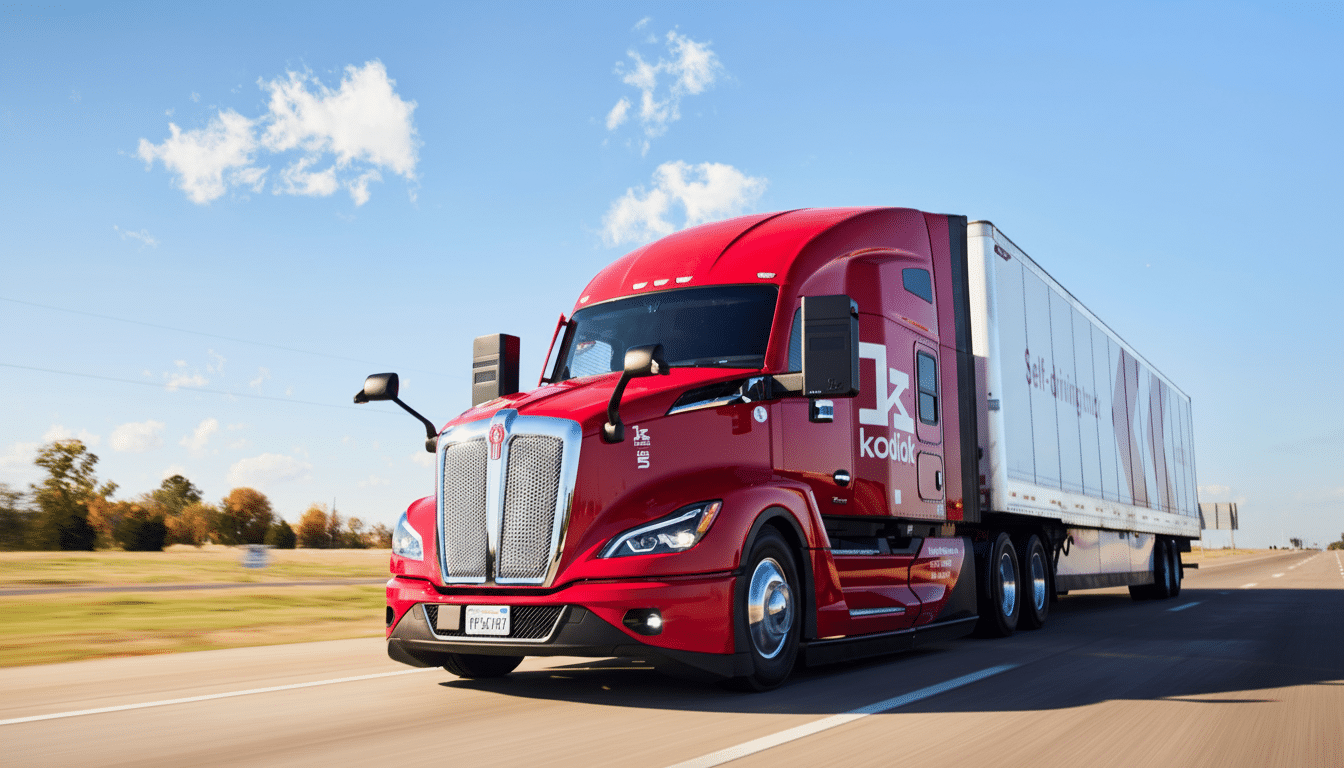
New rules distributed by the Department of Motor Vehicles lay out how companies could test — and roll out — self-driving big rigs on the state’s highways, potentially ushering in the era of automated freight in at least part of the nation’s largest economy.
The new framework mirrors California’s model for robotaxis, which are already rolling through two counties under a special license there, but applies that structure to long-haul trucks. It would reverse the table on a state that drove testing to states like Texas, making it itself a hub of coast-to-coast self-driving logistics.
What the New DMV Rules Would Do for Self-Driving Trucks
The proposed rules would permit testing of autonomous trucks in stages, and if certain benchmarks are reached, enable driverless operation and commercial use. Large trucks, meaning those over 10,000 pounds — which includes Class 8 tractor-trailers — have been excluded from California’s existing program and are effectively prohibited from using public roads. The new rules remove that prohibition under strict conditions.
In addition to heavy trucks, the rulemaking beefs up oversight of all autonomous vehicles. It increases the frequency and breadth of data reported to DMV around disengagements, collisions and operational performance, and it obligates companies to have updated plans for interacting with first responders. Importantly, the text states that police can give traffic tickets to driverless vehicles — a gray area that frustrated both authorities and cities as autonomous taxi fleets expanded.
A Phased Road to Driverless Freight in California
Companies would begin with permits for testing that included a human safety driver behind the wheel, then move to testing without a driver and eventually, once performance thresholds are considered adequate, deployment of autonomous vehicles. The DMV recommends a strict minimum of 500,000 autonomous test miles before any driverless testing permit is granted, with at least 100,000 of those done in the state under all conditions intended for deployment.
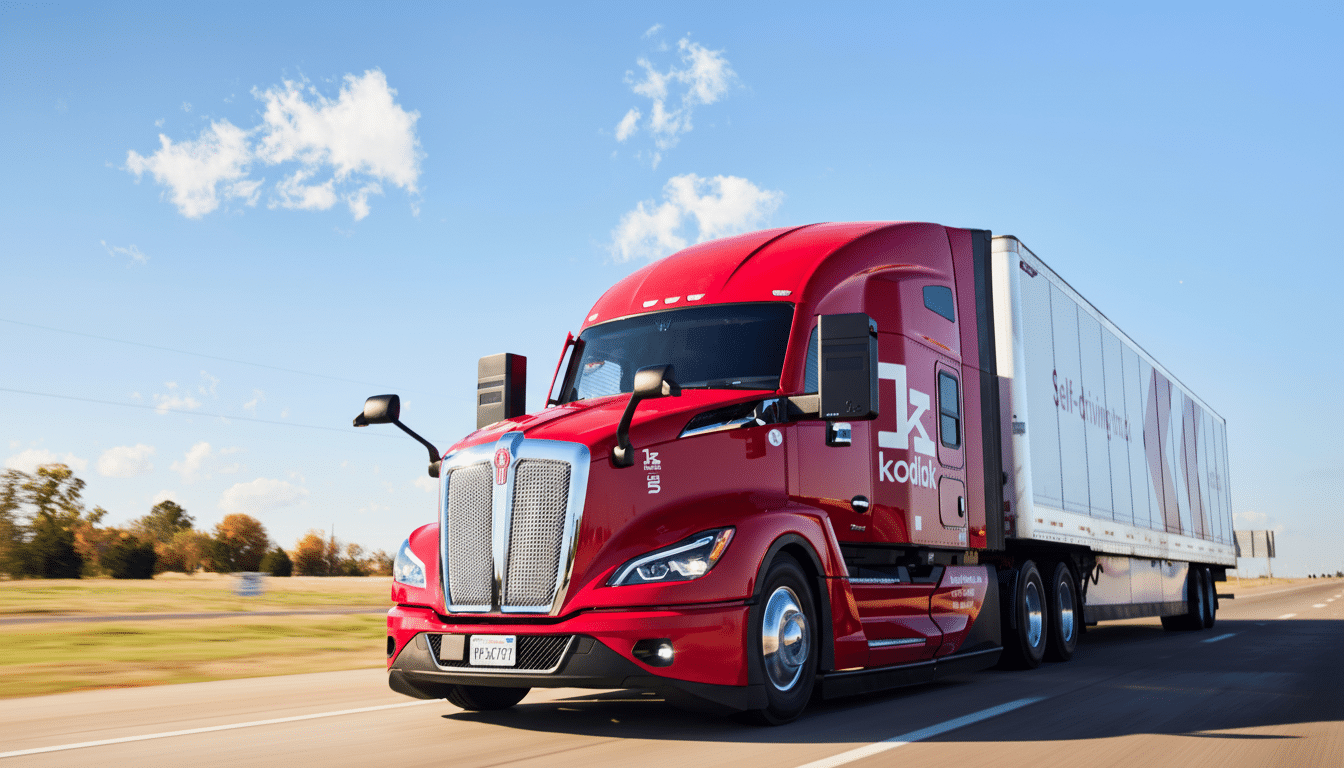
This mileage-based requirement is meant to encourage substantive, in-state validation as opposed to being primarily reliant on out-of-state pilots. Companies like Aurora Innovation and Kodiak have completed millions of autonomous highway miles in Texas and the Southwest with safety drivers, and publicized their plans for early driverless operations as early as 2026. California’s framework would transfer that experience to local routes along corridors like I-5, I-10 and I-80 where freight density is greatest.
The rules also anticipate extensive training and coordination with emergency services such as the California Highway Patrol, and more frequent reporting to regulators. Those guardrails are intended to detect problems at an early stage and to give agencies an up-to-the-moment view of how systems perform across quirks or variations related to weather, traffic and terrain that are all their own in California.
Labor and Safety Flashpoints in the Driverless Truck Era
Labor groups remain staunchly opposed. The Teamsters are pressing to pass AB 33, a bill that would mandate a human operator on board every autonomous heavy-duty truck, and they have said they will fight the DMV’s new regulations. The union contends that driverless trucking imperils jobs and transfers risk to the public before safety can be established.
Safety will define the debate. Federal data from the National Highway Traffic Safety Administration show that thousands of people die in crashes involving large trucks; autonomy advocates argue technology can lower that toll — through constant attention, better perception and controlling speed. Critics argue that edge cases, mixed traffic with human drivers and complicated urban interchanges still present today’s systems with problems.
Liability remains a key question. The draft regulations’ proposal to ticket self-driving cars is one step in the right direction, but policymakers will still need clarity on where responsibility lies across manufacturers, operators and shippers when something does go wrong. At the federal level, the Federal Motor Carrier Safety Administration is still reassessing how autonomous driving systems intersect with commercial carrier rules, reiterating that state frameworks would need to supplement rather than preempt national oversight.
Why California’s Decision on Autonomous Trucks Matters
California is a freight chokepoint and an innovation bellwether. The ports of Los Angeles and Long Beach together process a large part of America’s containerized imports, much of which gets carried by trucks across the West and beyond. The American Trucking Associations has estimated that trucks transport approximately 72% of the tonnage of freight moved in the United States; enabling autonomous activity on California’s highways could bring about productivity increases across national supply chains.
For companies aiming to bring self-driving trucks to the road, success in California is no mere symbol. It allows for real interstate, end-to-end services from the Pacific coast and deeper inland as opposed to piecing together operations around a West Coast void. And for regulators, it is an opportunity to set best-in-class safety standards that other states may adopt so regulation does not lag behind scale.
What Comes Next for Autonomous Truck Rules in California
The DMV has released a short public comment period on the rules before formally adopting them and submitting them for state review, including from the Office of Administrative Law. If approved, companies will then seek permits and expand supervised testing as they work toward reaching the mileage and reporting thresholds necessary to operate driverless.
There’s a lot at stake: orderly progress that might carry self-driving trucks onto California freeways, or a reset forced by labor, safety or political reaction. Either way, it will determine how soon driverless freight moves from pilot runs to routine logistics — and whether California leads or follows as the industry changes gears.
