


The Brick, a popular offline physical app blocker aimed at reducing doomscrolling habits, is now 20% off for a limited time and costs $47.20 instead of the regular $59.
The discount is typically only for students, but it’s open to all right now — so as far as stocking stuffers under $50 go, this one is the smartest for that person who keeps swearing off screen time and never quite manages.
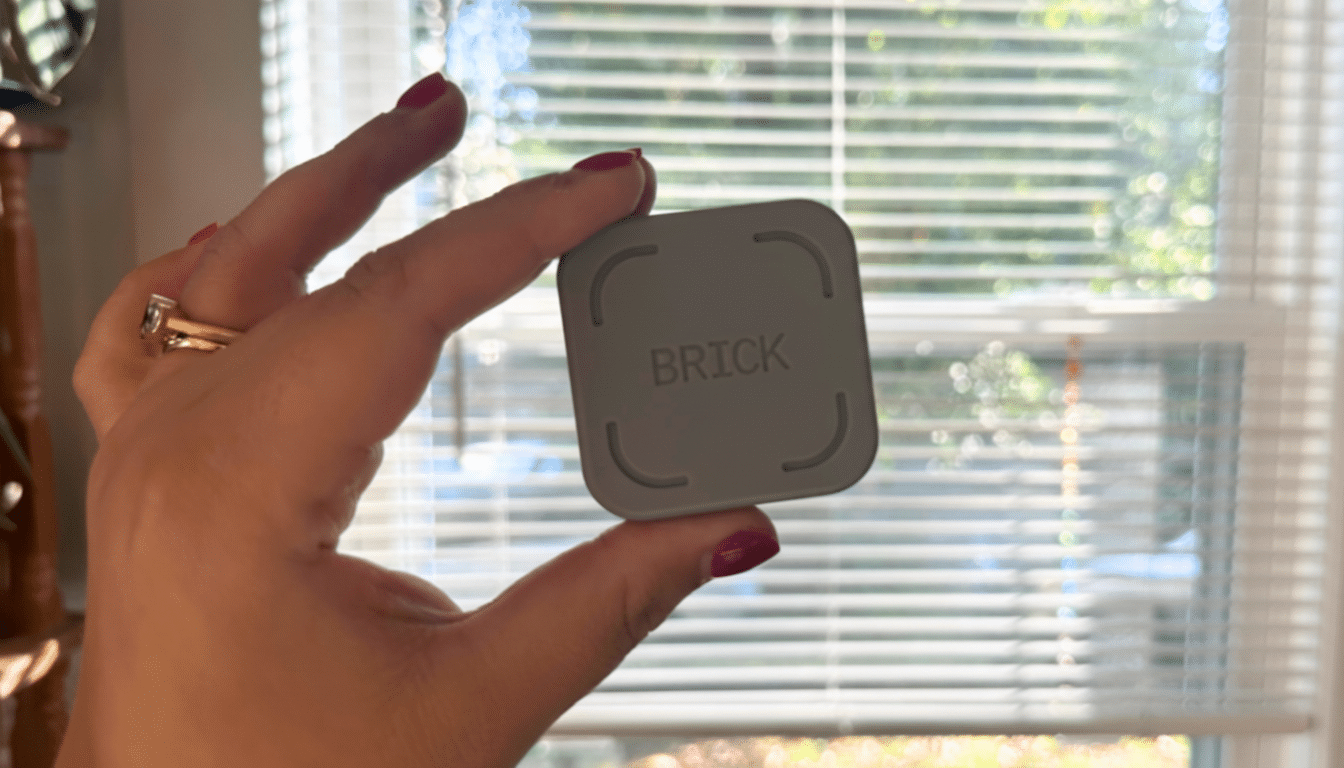
Shipping is free if you buy two (otherwise it’s $7.99), which is a nice way to bisect a gift with a friend or slide one in several stockings. Small and unobtrusive, the Brick has an outsize impact: It adds just enough friction to your digital activity to keep you from engaging on the most addictive apps when you don’t really want to be there.
What Is The Brick App And How Does It Work?
Fair warning: You or your giftee will feel an overwhelming sense of relief.
The difference is that the Brick is a physical key that syncs with the corresponding smartphone app to block the exact apps you choose — like social media, short-form video, or gaming — at the times you decide. To get back to those apps again, you have to engage with the Brick, a small but important stand-in for a device that would turn an impulsive tap into an intentional decision-making process.
That “added friction” is kind of the point. The Brick is not a weak software-only blocker that can be easily circumvented — it’s unusable and forces a pause. In practice, users frequently tell us that this extra bit of a speed bump is enough to reroute downtime toward reading, taking a walk, or (finally) knocking off a long-neglected errand. It helped one early adopter “relearn the skill” of being bored again and then doing something intentional with that boredom, she told us.
Why a Physical App Blocker Often Trumps Willpower
There is a sound basis in behavioral science for the notion that environment counts more than willpower. A study from the University of Chicago, led by Adrian Ward, found that simply having a smartphone present — even when it was turned off and face down on a working desk — reduced cognitive capacity. Rather than a willpower-taxing app, impulse-driven apps are concealed behind physical action on the Brick, which means focus is built right into the design.
The problem is not small.
According to Data.ai’s latest State of Mobile report, people in several markets today spend more than five hours a day on their mobile devices. RescueTime’s research has suggested that the average daily phone use involves dozens of such pickups, and Pew Research Center reported that about a third of adults in the United States say they’re online “almost constantly.” And that math translates to a lot of lost focus — and a big opportunity for products that make distraction less automatic.
Who Will Get the Most Out of The Brick App
Students studying for finals week, freelancers balancing multiple clients, and those who mindlessly open social apps “just for a second” will likely get some quick wins. And for the parents who want a lightweight way to bring more screen-sane weekends into their lives, they can establish shared rules and keep it in a common area. In terms of gift-giving, it strikes the right middle ground: personal but not presuming too much, practical without losing whimsy, and reasonably priced (with 20% off at press time, it’s listed for under $50).
Deal Details, Current Pricing and Overall Value
At $47.20, the Brick is priced like a premium phone accessory that actually works more like a daily ritual. The 20% discount is normally for college students only, so making it available to everyone this time of year is unusual, and timely. If you’re shopping for a couple or household, ordering two gets you free shipping, circumventing the usual $7.99 fee.
Setup Tips for Bottom-Line Results That Stick
- Begin by blocking the two or three apps that most reliably yank your attention.
- Allot focus windows during the hours you most want to protect — mornings before work or school, study blocks, or after-dinner family time.
- Keep the Brick somewhere intentional (not within easy reach from the couch), and supplement it with built-in tools such as iOS Focus or Android’s Digital Wellbeing for layered defensiveness.
- Consider switching your phone to grayscale to reduce the visual appeal of never-ending feeds.
Bottom Line: Should You Buy The Brick App Blocker?
After the unboxing, most gifts tend to fade. The Brick pays its way by changing how you use the most powerful device in your arsenal. With a rare discount of 20% bringing it under $50 — and free shipping if you pick up two — it’s a clever stocking stuffer that trades a little friction for some serious focus.
