


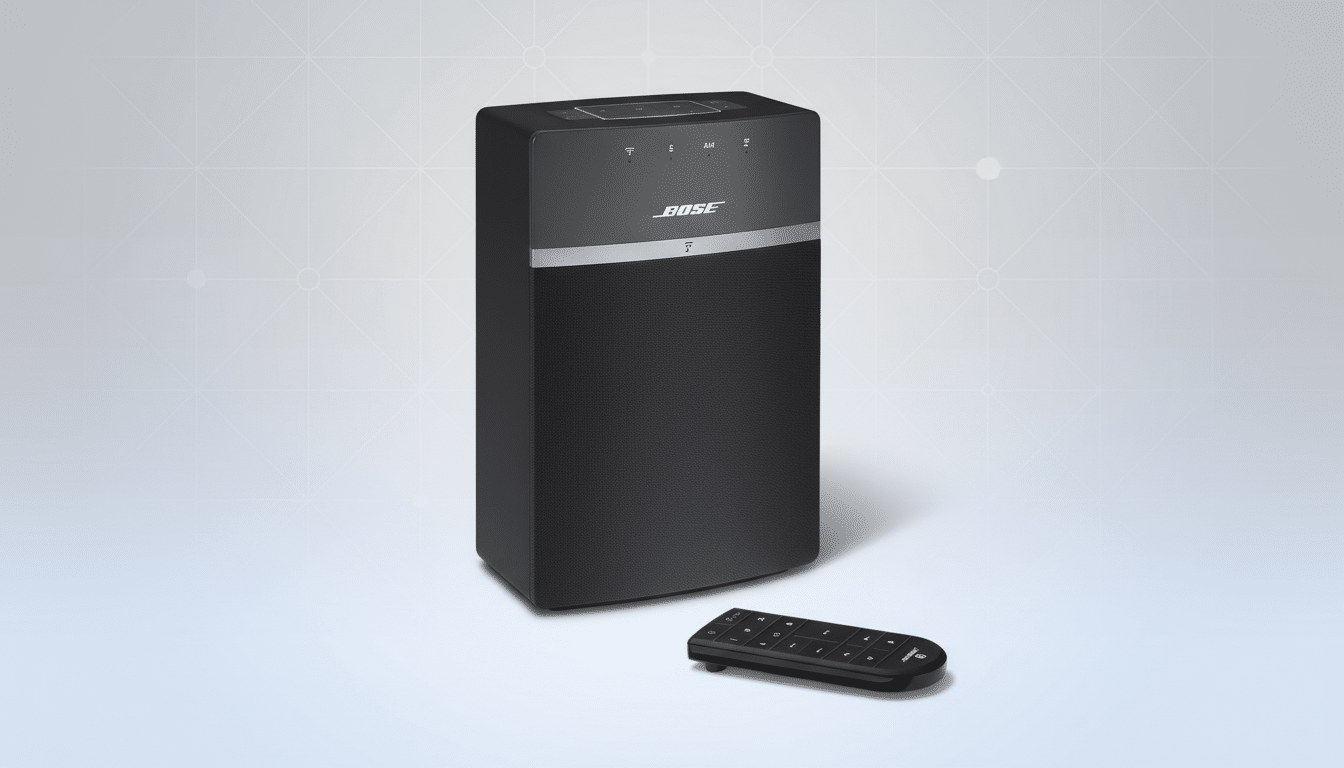
The email from Bose should have sparked outrage. Instead, it read like a rare blueprint for how to retire connected hardware without burning user trust. Bose confirmed the end of cloud-dependent features for its SoundTouch speakers, but paired the news with something unexpected: it opened the SoundTouch API. That single decision flipped my reaction from frustration to admiration.
A Surprise EOL Email With An Unusual Twist
SoundTouch launched with a long support window, and that promise has reached its finish line. The email was candid: no more updates, and the smart features that rely on Bose’s cloud would wind down. Many firms stop there. Bose didn’t. By making the SoundTouch API open-source, it effectively handed power to the community to keep beloved speakers in meaningful service.

That transparency contrasts with the industry’s rough track record. Owners have not forgotten when connected products abruptly lost features or bricked after support ended, leading to public backlash on forums and social channels. This time, the company acknowledged reality, offered options, and provided tools.
What Still Works And How To Keep Listening
Crucially, these speakers are not dead. Local inputs—Bluetooth, Aux, and HDMI where available—continue to function. Many models retain support for AirPlay or AirPlay 2 and Spotify Connect, so streaming from phones and laptops remains straightforward without the original cloud layer.
A pared-back SoundTouch app will stick around for basic control, but the smartest move for owners is to plan for independence: keep the physical remote, pair via Bluetooth as a fallback, and consider a network streamer or streaming amplifier to restore higher-end conveniences. Devices from brands like WiiM, Bluesound, or Yamaha can add modern codecs, multiroom options, and voice assistant handoffs while the SoundTouch handles the heavy lifting as a speaker.
Why Open Sourcing Changes The Ending For SoundTouch
Open sourcing the API is more than a gesture. It lowers the barrier for developers to build replacement apps, automation hooks, and performance tweaks that keep SoundTouch relevant. Think Home Assistant integrations, Node-RED flows, or lightweight cross-platform controllers that outlive any single phone OS version. We’ve seen this playbook succeed: when Pebble’s servers shut down, community developers created the Rebble project to keep watches functional, extending the life of millions of devices that would have become e-waste.
The environmental upside is real. The United Nations’ Global E-waste Monitor reports that tens of millions of tonnes of electronic waste are generated each year, and less than 25% is formally recycled. Extending the functional life of connected speakers isn’t just good sentiment; it’s material waste reduction. Even the U.S. Federal Trade Commission and the Right to Repair movement have spotlighted how software locks and early shutdowns accelerate disposal. Opening an API at end-of-life is a practical countermeasure.
There’s a business case, too. PwC’s consumer research has long shown that trust is fragile—roughly 32% of customers will abandon a brand they love after a single bad experience. By communicating early, stating what still works, and empowering the community, Bose has chosen the retention path. It’s far cheaper to keep a loyal owner in the ecosystem than to win them back after a sour exit.
What Developers Can Build Next With The API
The newly open API invites practical projects:
- A unified controller app that restores presets, alarms, and room grouping where possible—lean, fast, and independent of a vendor cloud.
- Bridges to home automation platforms so routines can still trigger playback, volume scenes, or input switching alongside lights and thermostats.
- Diagnostics and tuning utilities that help owners calibrate sound and troubleshoot networks without proprietary accounts.
With clear documentation and a permissive license, third-party tools can keep pace with operating system changes long after official apps sunset.
A Playbook For Cutting E-Waste And Winning Trust
When connected products reach the end, companies usually face a choice: flip the off switch and absorb the backlash, or plan an exit that preserves utility. Bose chose the latter. Open the API, be explicit about what remains, suggest workable alternatives, and avoid holding basic features hostage to defunct services. That approach turns an angry email into a loyalty moment.
I didn’t expect to become a bigger fan after being told my smart speakers were turning mostly offline. Yet honesty, engineering empathy, and an open door for developers can do that. If more brands treat end-of-life as a design challenge instead of a PR problem, fewer devices will head to landfills—and more customers will stick around for the next generation.
