


Birdfy moves high-speed optics to the backyard. Demonstrated at CES 2026, the Birdfy Hum Bloom smart hummingbird feeder features an 8MP camera that shoots in 4K, recording slow-motion video at up to 120 frames per second and designed to show off the details of wingbeats, tongue flicks, and sparkling gorgets most cameras miss. The device is a CES Innovation Awards Honoree, with availability planned for later this year — specific dates are yet to come.
A 4K-Pixel Window Into Hummingbird Flight
Hummingbirds can flap their wings up to about 70 times per second, depending on species and behavior, and are notoriously hard to film. When 4K resolution is combined with 120 fps slow motion, the Hum Bloom can show several frames in a single wingbeat so that iridescent feather structure can be seen entirely separately from head movement that would become blurred on standard 30 fps cameras. For creators and educators, that footage translates to cinematic-looking images that are also scientifically useful.
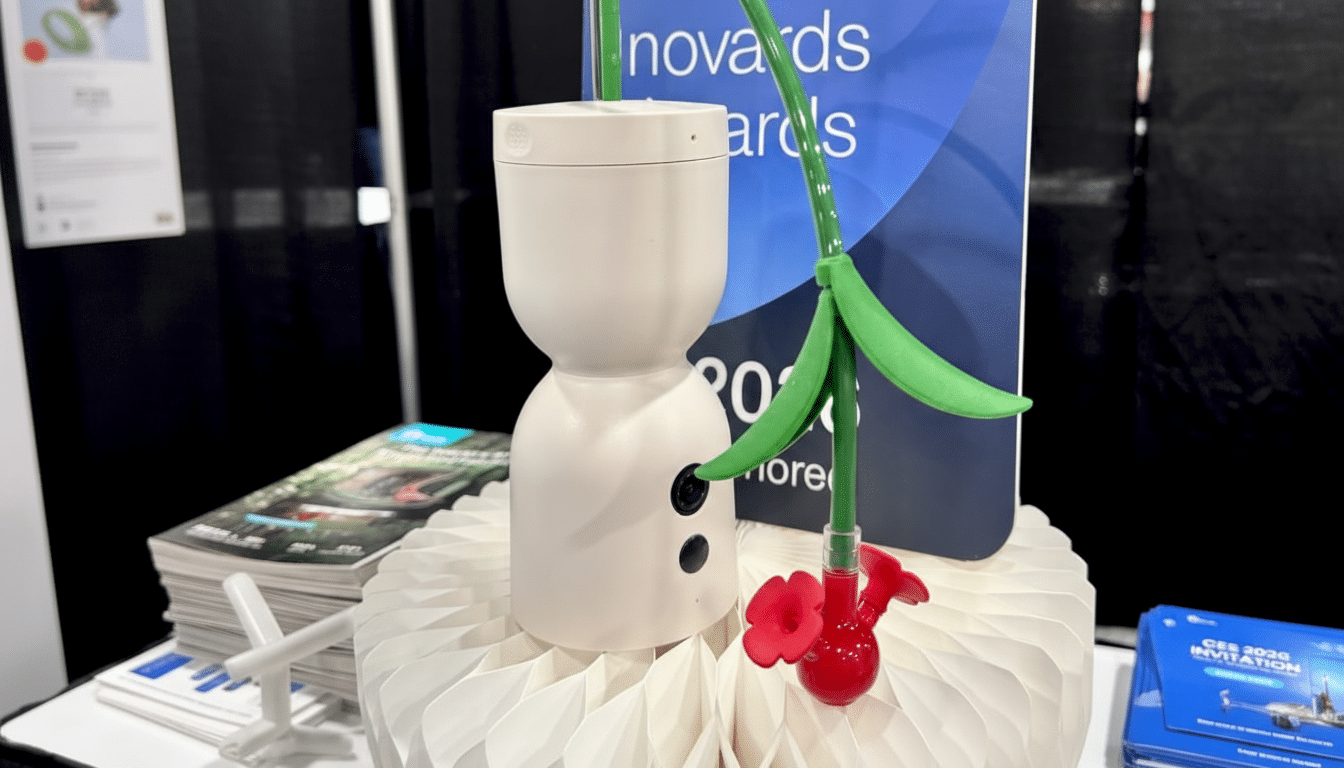
The 8MP sensor provides sufficient pixel detail to freeze the flash of a hummingbird’s gorget — the reflective throat patch that changes color with viewing angle — a field mark that is frequently missed by passersby.
The payoff isn’t just prettier clips; it’s clearer evidence for distinguishing the various, similar species and for recording behaviors like territorial displays, hover-feeding, and midair pursuits.
AI Identification and App Functions Explained
Birdfy has its OrniSense AI integrated into the Hum Bloom and promises recognition of over 150 species via the Birdfy app. In addition to real-time email alerts, the app enables users to stitch highlight reels together from their slow-motion captures and get reminders through notifications when nectar is low, minimizing guesswork and mess. Birdfy says the feeder is designed to make cleaning and refilling a breeze — something that’s crucial for nectar hygiene, which experts say should be taken seriously when temperatures are hot.
The smart-feeder genre has gained popularity, thanks to accessible AI and social-friendly video. Birdfy’s 4K pivot shifts the goalposts for previous 1080p attempts and lifts clarity at the perch. The concepts are relatively simple for backyard scientists: better footage leads to better IDs, more compelling community-science uploads, and more shareable moments.
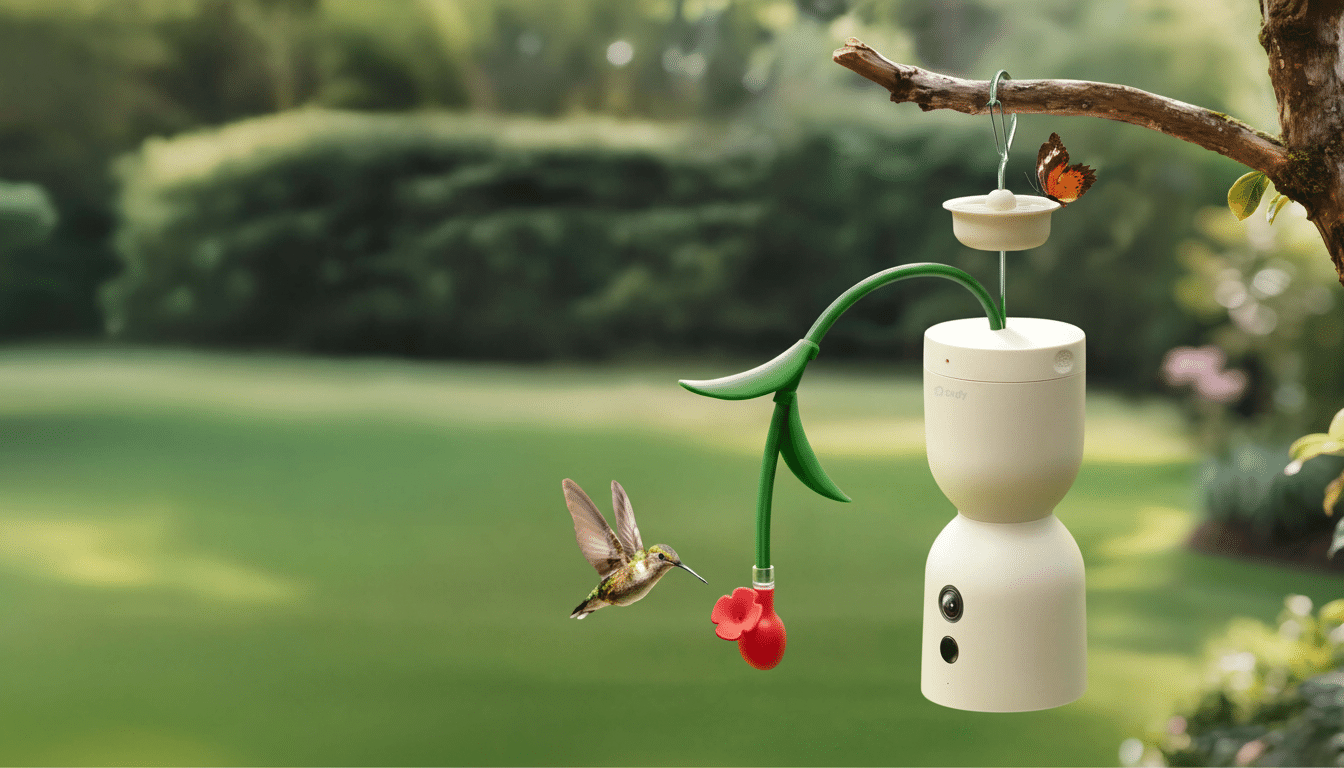
The Importance of Birding in Slow Motion
Hummingbird identification frequently leans on split-second cues — accounting for subtle tail-feather shape, the precise hue of a gorget at a certain angle, or evidence of even a faint eye-line. High frame rates allow viewers to pause and study those traits. Biomechanics research has also recorded fast nectarivory, at 10–20 licks per second — a behavior that 120 fps can visualize in great depth and detail, showing the “brush” shape of tongues, where they are placed relative to beak tips, and how those birds, while hovering, optimize efficiency.
The device is arriving at a time when backyard birding has been reaching new heights. Birdwatching is, of course, incredibly popular — more than 45 million people do it a year, researchers with the U.S. Fish and Wildlife Service found — which brings billions in related spending to the economy. Conservation organizations like the Cornell Lab of Ornithology and the National Audubon Society promote responsible feeding, and tools that facilitate more-accurate species identification can benefit community-science reporting on platforms such as eBird.
CES Spotlight and the Broader Market Context
To be named a CES Innovation Awards Honoree is evidence that the approach Birdfy is using to tackle smart home connectivity has resonance across an industry stage. The company also touted a year-round smart birdbath as one of its points of recognition — a good sign that it’s building out an ecosystem for the connected backyard, rather than a one-off novelty. For a category that straddles wildlife tech, creator gear, and home automation, that ecosystem thinking counts.
Birdfy has not announced specific release timing outside of a 2026 window, and no pricing has been revealed either. But the Hum Bloom’s spec sheet — 4K imaging, 120 fps slow motion, AI identification, and proactive nectar alerts — ranks it as one of the more audacious purpose-built hummingbird feeders to have been displayed on a CES show floor. If it lives up to its promise in terms of image quality and ease of maintenance, we may have a new go-to perch for birders who pursue detail without creeping out the stars.
