


A reader survey is the latest indication that the next big Android UI change will be one of compatibility and features with extended reality (XR) in mind, because dual-display “binocular” form factors across operating systems are the overwhelming preference. The results highlight a deep craving for the immersive, data-rich eyewear they want to sell you — and provide clues as to how Google and its partners might prioritize designs, features and silicon in future product cycles.
What the survey shows about preferred Android XR glasses
Preferred Android XR form factors were split across more than 2,000 respondents. Close to 1,400 — just under 70 percent — chose binocular glasses that have displays embedded in the lenses. Roughly 20 percent chose monocular designs, which put a single display in a lens. Less than 5 percent placed their bets on audio-only glasses, and about 11 percent said they had no interest in XR glasses.
- What the survey shows about preferred Android XR glasses
- Why two displays win for immersive Android XR glasses
- Standalone versus tethered XR glasses: an Android reality check
- The appeal of monocular and audio-first Android XR glasses
- Accessibility and AI on the face: assistive Android XR uses
- What these survey results mean for the future of Android XR
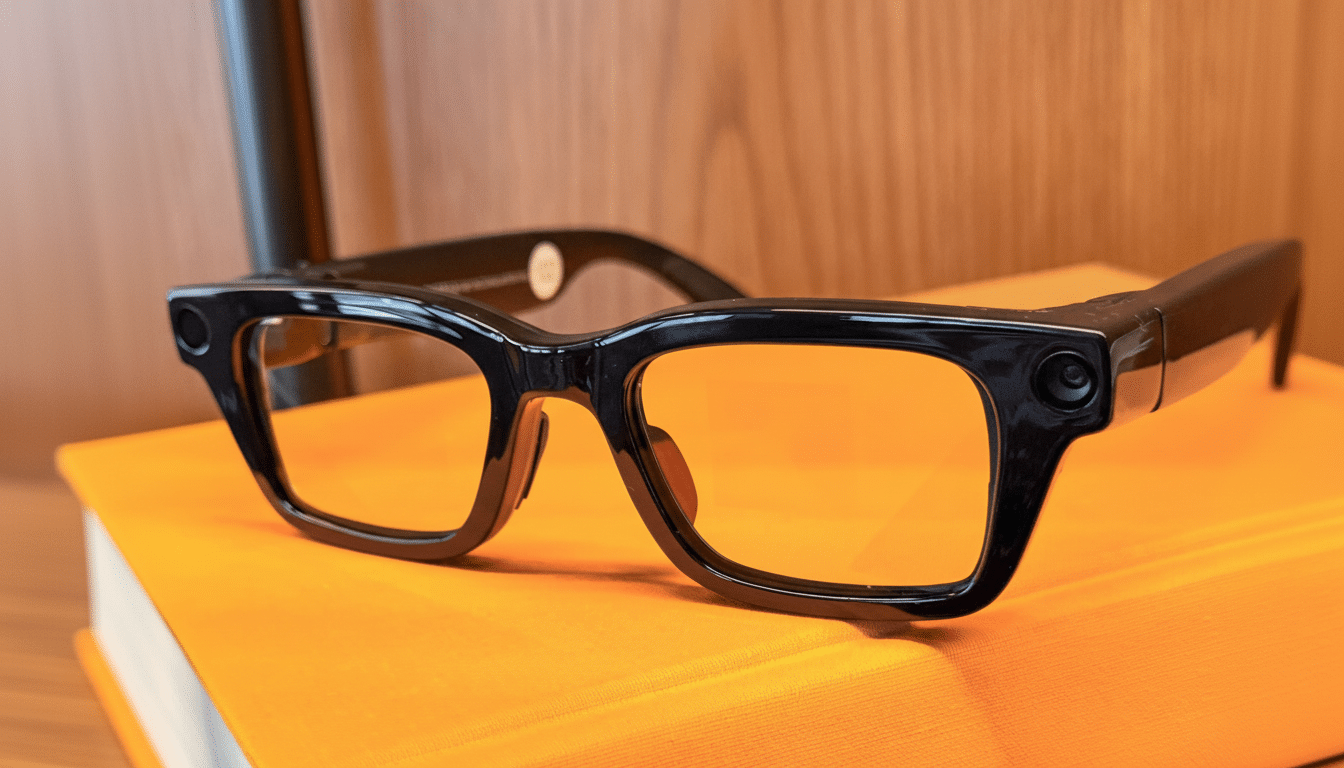
The bias toward binocular designs reflects a craving for richer overlays and spatial context — persistent dashboards, layered navigation cues, or hands-free productivity canvases all begging for stereoscopic depth and higher information density.
Why two displays win for immersive Android XR glasses
Embedding the experience within a binocular vision system would provide an expanded field of view, more realistic spatial anchoring, and the lowest cognitive load compared with one floating window. For day-to-day work — multitasking with emails and messages, step-by-step instructions, or live translation — content being spread over both eyes feels less like a notification and more like a workspace.
There are trade-offs. Two displays add optical (waveguides or birdbath combiners), power draw, and heat complexity. Battery-per-gram is still the key design constraint despite efficient micro-OLED panels and eye-tracking that dims the pixels not in use. Which is why a lot of current glasses, including offerings from XREAL and VITURE, tether to a phone, laptop, or handheld for compute and power instead of being fully standalone.
Standalone versus tethered XR glasses: an Android reality check
At a media demo event recently held in San Jose, Google presented several types of XR eyewear under its Android umbrella, from simple viewers to more robust binocular designs. The company suggested that full standalone binocular glasses — a duo of active displays with on-board compute — were still further out, specifically mentioning 2027 as a possible real-world horizon for hardware production.
That fits with the state of the silicon. Lightweight assistants could occasionally still operate on low-power chipsets, like Qualcomm’s AR-class platforms; but true binocular AR usually requires more powerful processors, such as the XR series — so heat and battery become challenges. Something of a hybrid appears nearer-term possible: tethered binocular glasses for performance and price, complemented by lighter, monocular options for all-day wear.
Google’s own Android XR work also aligns with broader ecosystem plays, like its software powering partner headsets using Galaxy-branded XR devices. The platform approach — a way to provide shared services for spatial UI, hand and head tracking, and multimodal AI — could reduce the friction of developing and allow hardware makers to specialize in form factor.

The appeal of monocular and audio-first Android XR glasses
The 20 percent acceptance of monocular glasses reflects a distinct preference set: low weight, social permissibility, and glanceable utility. Imagine moving notifications, timers, and quick replies from a smartwatch to an unobtrusive lens, though without cameras. They’ve been used for business purposes — anything from field service to logistics one can imagine — and the enterprise pedigree of monocular displays is also why they always take a safety-first approach.
On a negative front, audio-only glasses failed to win many fans, garnering less than 5 percent support. That’s probably because similar grown-up solutions — all-in earbuds and hearing-improving wearables — can already supply voice assistance, notifications, and some smarts without tacking on a visible frame. Unless audio-first eyewear can boast better mics, longer battery life, or context-aware smarts, the category will be niche.
Accessibility and AI on the face: assistive Android XR uses
One standout theme in responses was access. Strong on-device AI — think multimodal assistants that can understand voice, vision, and context — might open up a world of new possibilities in computing for users with visual, cognitive, or neurodiverse needs. Live scene descriptions, live captions, and on-the-fly translations are much more useful if you don’t need your hands and they’re always available.
Having these abilities run locally improves privacy and latency. That is relevant to glasses that read a user’s sensitive information or take a user through busy environments. Expect Android XR to make efficient, privacy-preserving AI pipelines a central feature, not just an add-on.
What these survey results mean for the future of Android XR
Developers need to design for binocular-first patterns — balanced layouts, depth-aware UI, and low-friction input (gaze, voice, thumb typing) — and do so within battery budgets. Pricing will factor here, too: tethered binocular glasses might hit the mainstream earlier if they end up costing a lot closer to miniaturized smartphone accessories, and dedicated full standalone models can tap into higher-end tiers.
Industry watchers highlight the importance of comfort, style, and “killer daily utility” given what has been slow but uneven growth in AR shipments from a low base. The consensus is clear according to the survey: people want proper binocular AR on Android. The immediate goal is delivering that experience without sacrificing weight, heat, or cost — an engineering horse race that will set the first success story in mid-tier Android XR glasses.
