


Most people still hear “GLP-1” and think weight loss. That’s the public headline. But the clinical conversation has moved past that. Mostly, different questions are being asked:
What if GLP-1 affects inflammation?
What if dose matters more than people realize?
And what if pairing a GLP-1 microdose with low-dose naltrexone (LDN) assists with battling the effects of aging?
- Why chronic inflammation keeps showing up in aging discussions
- What is microdosing GLP-1 – and why dosing changes the conversation
- What happens when you microdose GLP-1 instead of escalating dose
- Where LDN fits into the inflammation and aging discussion
- Why clinicians are pairing microdosing GLP-1 with LDN
- Aging is not one process – and that’s why combination strategies exist
- Common mistakes people make with GLP-1 microdosing
- A note on sourcing and why medical oversight changes outcomes
- The bigger takeaway
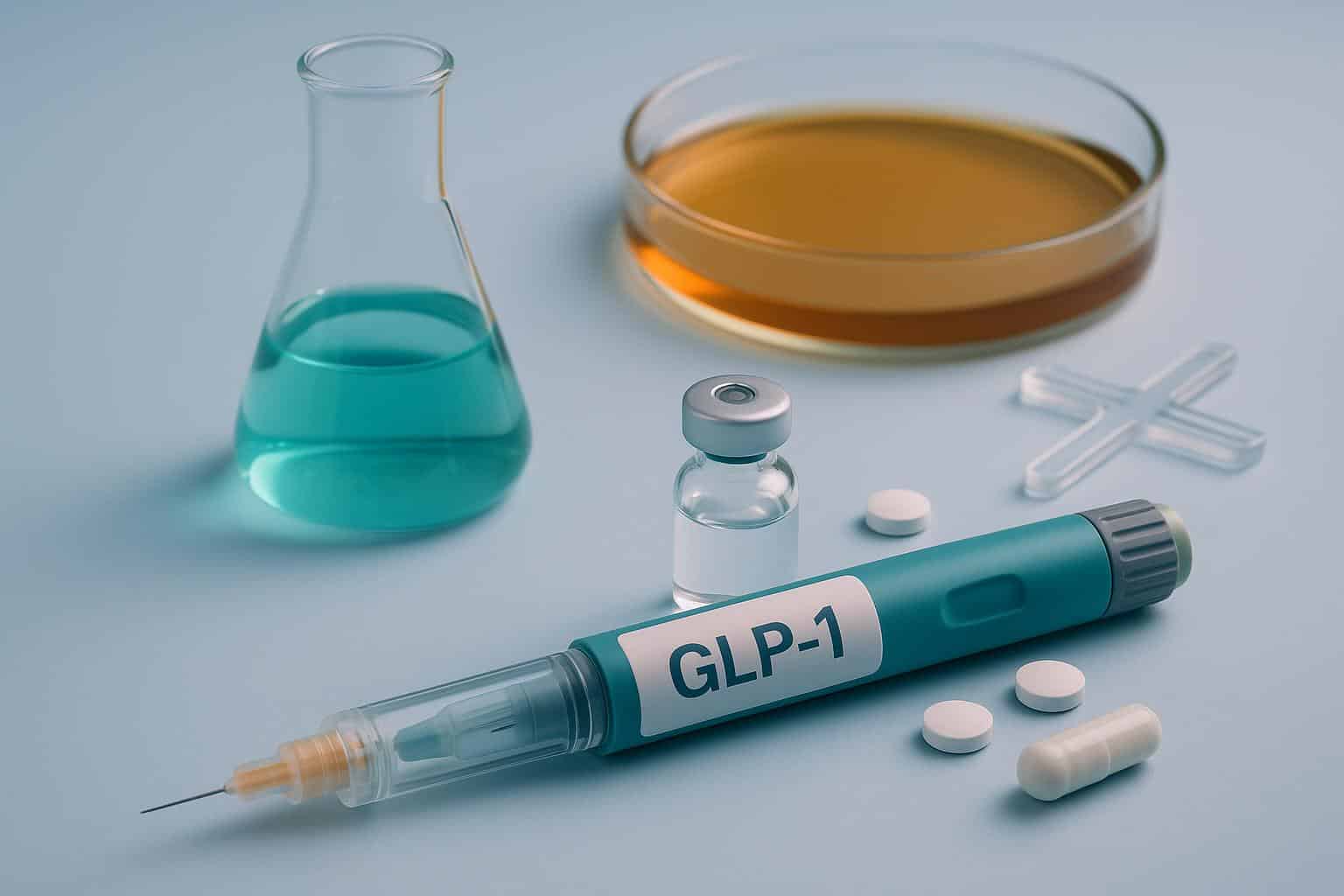
This is where microdosing GLP-1 with LDN comes in. As a strategy that may help influence chronic inflammation, metabolic signaling, and some of the biological processes tied to aging.
Why chronic inflammation keeps showing up in aging discussions
Chronic, low-grade inflammation shows up everywhere once you start looking for it. Cardiometabolic disease. Neurodegeneration. Autoimmune conditions. Frailty.
Inflammation isn’t always dramatic. It’s often quiet, persistent, and damaging over time.
That’s why many longevity-focused clinicians are interested in how immune cells behave. How metabolic hormones talk to each other. How stress signals stay switched on when they shouldn’t.
GLP-1 receptor signaling and LDN both fit in this conversation.
What is microdosing GLP-1 – and why dosing changes the conversation
A GLP-1 microdose is not the same thing as standard weight-loss dosing. That distinction matters.
When people ask what is microdosing GLP-1, the simplest answer is this: it’s the intentional use of doses well below conventional obesity or diabetes protocols, with different goals in mind.
At lower doses, GLP-1 receptor activity may:
- Influence inflammatory signaling pathways
- Affect insulin sensitivity without aggressive appetite suppression
- Interact with immune cell behavior
- Reduce metabolic stress rather than force rapid change
This is why clinicians experimenting with microdosing GLP-1 often talk less about pounds lost and more about steadier energy, reduced inflammatory markers, and improved metabolic flexibility. Those outcomes aren’t guaranteed. But they’re the reason the approach exists.
What happens when you microdose GLP-1 instead of escalating dose
One of the most common mistakes people make is assuming higher dose equals better result. That logic breaks down quickly with hormone-based signaling drugs.
When people ask what happens when you microdose GLP-1, the honest answer is: different things, for different bodies, depending on intent.
At microdose levels, GLP-1 activity may:
- Avoid the sharp appetite suppression seen at higher doses
- Reduce gastrointestinal stress that leads many people to quit early
- Support longer-term consistency instead of short bursts
- Allow pairing with other immune-modulating agents like LDN
This is also why microdosing isn’t a DIY experiment. Precision matters. Timing matters. Monitoring matters. Small errors could become big problems down the road when dosing isn’t monitored.
Where LDN fits into the inflammation and aging discussion
Low-dose naltrexone works through a different mechanism entirely. It briefly blocks opioid receptors, which may lead to a rebound increase in endorphins and downstream immune modulation.
In practical terms, LDN is often used with the goal of:
- Calming overactive immune signaling
- Reducing inflammatory cytokine activity
- Supporting nervous system balance
- Improving tolerance to other therapies
When paired with a GLP-1 microdose, these possible goals work together.
GLP-1 influences metabolic and inflammatory signaling.
LDN influences immune regulation and neuroimmune balance.
Different goals. Same direction.
Why clinicians are pairing microdosing GLP-1 with LDN
This pairing didn’t appear out of nowhere. It emerged because patients didn’t fit neatly into categories.
Some didn’t want weight loss.
Some couldn’t tolerate standard GLP-1 dosing.
Some were focused on inflammation, autoimmune activity, or aging-related decline rather than body composition.
Clinical discussions highlighted in publications like Medscape1 point to a growing interest in microdosing strategies among both patients and physicians. Not because guidelines demand it. Because patient reality does.
Aging is not one process – and that’s why combination strategies exist
Aging doesn’t run on a single pathway. It’s metabolic, immune, neurological, and hormonal at the same time. That’s why single-target interventions often disappoint.
Microdosing GLP-1 with LDN aims to:
- Reduce chronic inflammatory pressure
- Support metabolic signaling without shock
- Improve system-level resilience rather than isolated outcomes
No guarantees. No promises. Just a framework that matches how aging actually works.
Common mistakes people make with GLP-1 microdosing
Microdosing sounds simple. It isn’t.
Some common errors:
- Using inconsistent dosing schedules
- Escalating dose too quickly “just to see”
- Combining with appetite suppression goals unintentionally
- Skipping medical oversight
- Treating microdose protocols like supplements
Because doses are small, mistakes don’t always feel dramatic at first. They show up later as inconsistency, stalled progress, or unnecessary discomfort.
That’s why structure matters as much here as it does with higher-dose protocols.
A note on sourcing and why medical oversight changes outcomes
There’s a big difference between experimenting and being guided.
One reason people seek providers like AgelessRx is not branding. It’s medical oversight. Authentic medication sourcing. Proper compounding. Dosing accuracy. Ongoing clinical review.
Microdosing only works when the dose is real, consistent, and monitored. With microdosing GLP-1 products especially, authenticity matters. Changes in formulation or strength breaks the entire premise. Having medical staff involved means adjustments are based on physiology, not guesswork.
That distinction becomes more important as doses get smaller, not less.
The bigger takeaway
GLP-1 therapies are no longer just weight-loss tools. LDN is no longer limited to immune discussions. Together, at low doses, they represent a shift in how clinicians think about inflammation and aging.
Microdosing isn’t about doing less. It’s about doing exactly enough – and no more than that.
And for people focused on aging well rather than just losing weight, learning more about combining these therapies matters.
