


If you unboxed gift cash this season and seek something useful every day, smart glasses are finally a no-brainer purchase. The latest models do so much more than just play music or capture novelty clips, whether you’re talking about sharper micro‑OLED displays, longer battery life, or on‑device AI. Here is a no‑nonsense guide, based on our tests of the standouts: what each one does best, where they stumble, and how to choose something great without overspending.
Why smart glasses are having a big moment right now
Two shifts changed the category this year: first, camera and open‑ear audio glasses got lighter, sleeker forms that you can wear all day without looking like you are loudly wearing a gadget. Second, XR “display” glasses have big, crisp virtual screens that plug directly into phones, handhelds, and laptops via USB‑C — great for gaming, flights, and tiny apartments. Analysts at companies like IDC and CCS Insight predict momentum will build as AI assistants shift from phones to face, where hands‑free queries and translations truly come into their own.
- Why smart glasses are having a big moment right now
- Best everyday camera and AI glasses for hands‑free use
- Best big‑screen XR glasses for travel and gaming on the go
- Power users: premium XR glasses with pro‑grade controls
- Best smart glasses for sports, workouts, and the outdoors
- Best budget display glasses for movies, travel, and games
- Step 1: How to choose smart glasses in one minute
- What’s coming next for smart glasses and XR in 2025
- Bottom line: the right pick for every type of buyer
Best everyday camera and AI glasses for hands‑free use
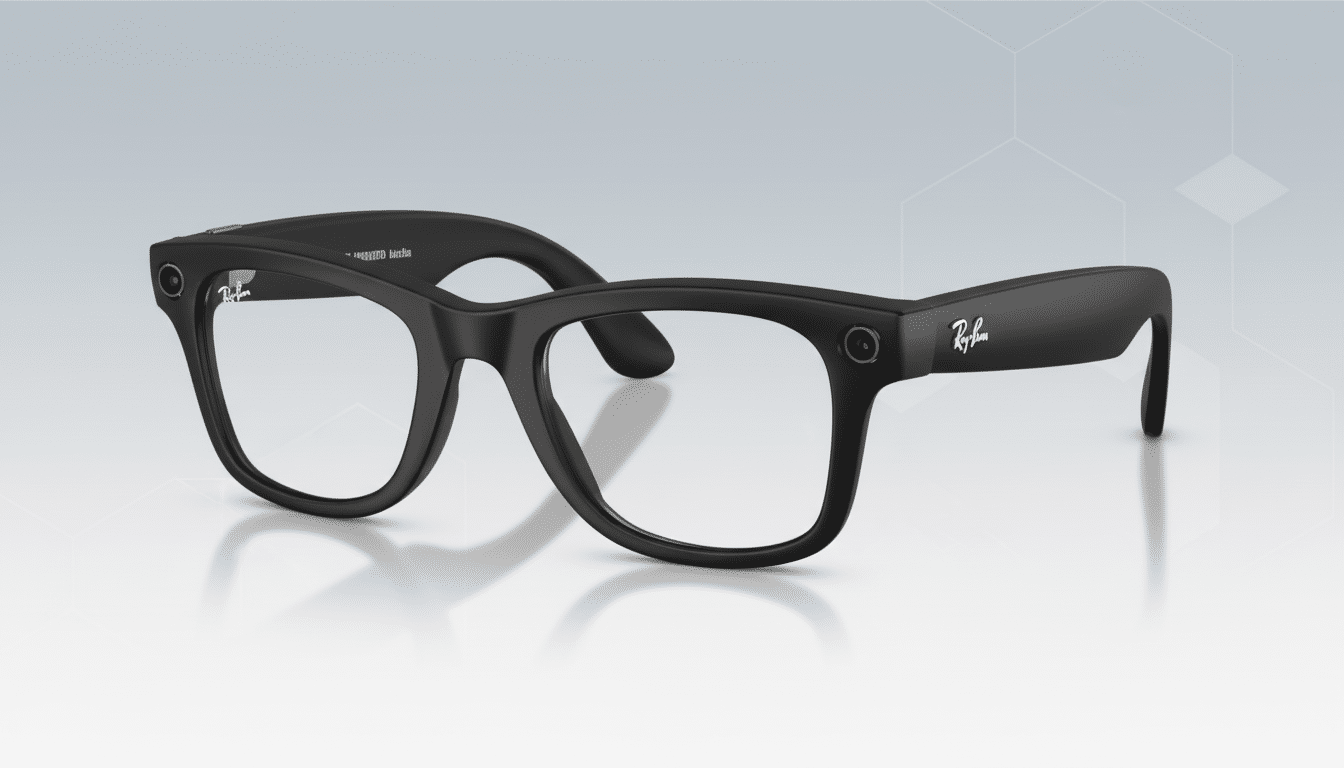
The Ray‑Ban Meta Smart Glasses (Gen 2) disappear into actual outfits, but quietly introduce new features. A 12 MP camera and five‑mic array deliver, while wake‑word and buttons for turning the unit on and off enable features such as gesture‑based photos, speech translation, or asking what you’re looking at without pulling out a phone. Meta promises up to eight hours of standard use, with a speedy 20‑minute top‑off for 50% and an optional case that stores about two more days’ worth of power. The glasses shoot 3K video, have 32 gigabytes of onboard storage, and feature an IPX4 rating for light rain. Price: $379. For privacy, mute the mics when you are in sensitive environments and activate the front‑facing LED; visible recording indicators are trusted by the public more — a point made ad infinitum by digital rights groups.
Best big‑screen XR glasses for travel and gaming on the go
Viture Luma Pro transforms any USB‑C device into your own personal theater. Sony micro‑OLED panels cast a sharp 1200p image that simulates a 152‑inch screen, refreshes at 120 Hz, and provides up to a 52‑degree field of view as well as bright images, capable of delivering up to 1,000 nits of perceived brightness (useful on sunny planes or trains). They work with a wide range of phones, as well as handhelds like the Steam Deck and other similar devices, tablets, and laptops for mirroring or extended displays. Built‑in myopia adjustment up to −4.0D, no need to order a prescription. They’re a little chunky but still well‑balanced for long sessions. Price: $499 (often discounted).
Power users: premium XR glasses with pro‑grade controls
Xreal One Pro targets enthusiasts who crave fidelity and control. The flat‑prism optics provide for a modern form factor so that the glasses can produce a virtual display of up to 171 inches at 1080p and up to 120 Hz, with a 57‑degree field of view. The built‑in Bose speakers are fuller than those of most rivals, and 700‑nit perceived brightness makes the One Pro more usable in brighter rooms. Xreal has customized its own X1 chip for 3DoF head tracking, to ensure your virtual screen remains locked in position as you move around. A tactile array of buttons allows you to adjust the size, distance, and color temperature on the fly. Price: $649.
Best smart glasses for sports, workouts, and the outdoors
Designed specifically for athletes, Oakley Meta Vanguard is the pinnacle of lightweight design. It has a 122‑degree wide lens, captures 12 MP stills, and can film up to 3K video; a five‑mic array is engineered to reduce the noise of the wind on rides or runs. Buttons are hidden under the fabric so they don’t get in the way of helmets or grips, and a programmable control can activate a custom AI prompt set on the app. With up to nine hours of mixed use (read: around six hours of straight music listening) and a charging case that provides roughly 36 additional hours plus 20‑minute 50% quick charges, they’re ready for long weekends. The IP67 certification offers dust protection and resistance to brief water submersion. Price: $499.
Best budget display glasses for movies, travel, and games
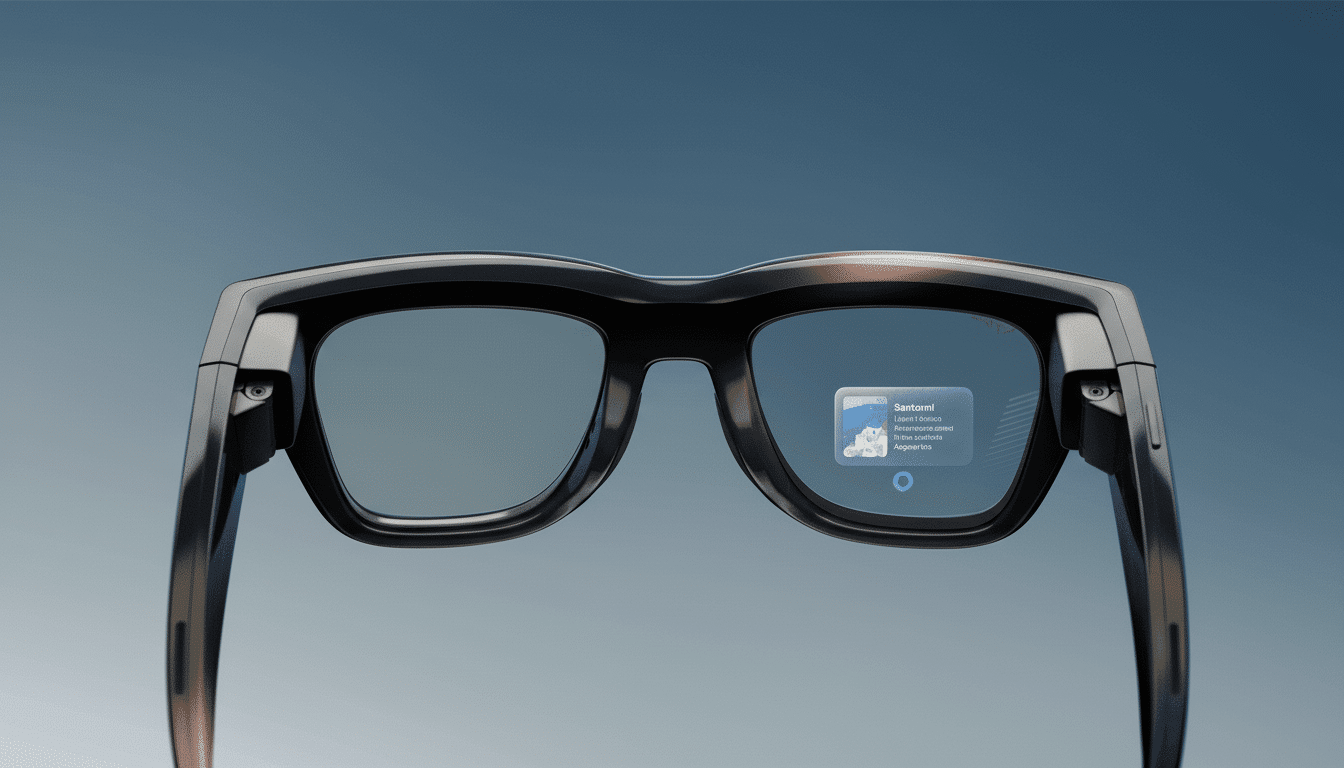
RayNeo Air 3s are the entry‑level pick that feels anything but cheap. Two micro‑OLED panels can simulate a 201‑inch 1080p screen at up to 120 Hz and with a 46‑degree field of view and about 650 nits of perceived brightness. You don’t get head tracking, and the FOV is narrower than more expensive sets, but for watching movies on flights or a bit of casual gaming on the side, they nailed the value proposition. These features are complemented by eye‑comfort functions such as 3840 Hz hybrid dimming and low blue‑light certification to mitigate fatigue during prolonged playing. Price: $269 (frequently on sale).
Step 1: How to choose smart glasses in one minute
- Choose camera glasses if you like recording, answering calls, or getting AI help with your daily life — hands‑free.
- Choose display glasses if you want to work, fly, or game on a giant private screen.
Choose water‑resistant materials and long battery life for durability; field of view and brightness to determine the quality of the immersion; a high refresh rate to achieve gaming smoothness; as well as comfort if you’ll be wearing them for hours. For cameras, pay attention to mic quality, storage, and water resistance. Finally, consider ecosystem and app support — the best value is when your glasses connect and work well with devices you already use.
What’s coming next for smart glasses and XR in 2025
Many heavyweights await on deck. Industry scuttlebutt suggests Google is working with Xreal on Android‑based XR glasses equipped with optical see‑through and ~70° FOV, designed to facilitate both an extended workspace and streaming device content. Snap is getting ready to release a lighter consumer version of its AR specs and introduce camera‑forward AR creation to the masses. And there are numerous reports that Apple is investigating an AI‑focused pair of smart glasses to complement its spatial computing push. As always, timetables can slip — but the direction is hard to miss: more able, more comfortable, and less expensive.
Bottom line: the right pick for every type of buyer
As a pair of everyday sunglasses and a holder for superior AI features, Ray‑Ban Meta is the no‑brainer pick. If you want to take your big‑screen joy on the road, Viture Luma Pro represents the best value, and ultimately the splurge for hobbyists is the Xreal One Pro. If you are an outdoor athlete, Oakley Meta Vanguard has your back; if you are buying on a slim budget, try out RayNeo Air 3s. If holiday cash is burning a hole in your pocket this year, look no further: this generation of smart glasses finally lives up to the promise without feeling like part of some early‑adopter test.
