


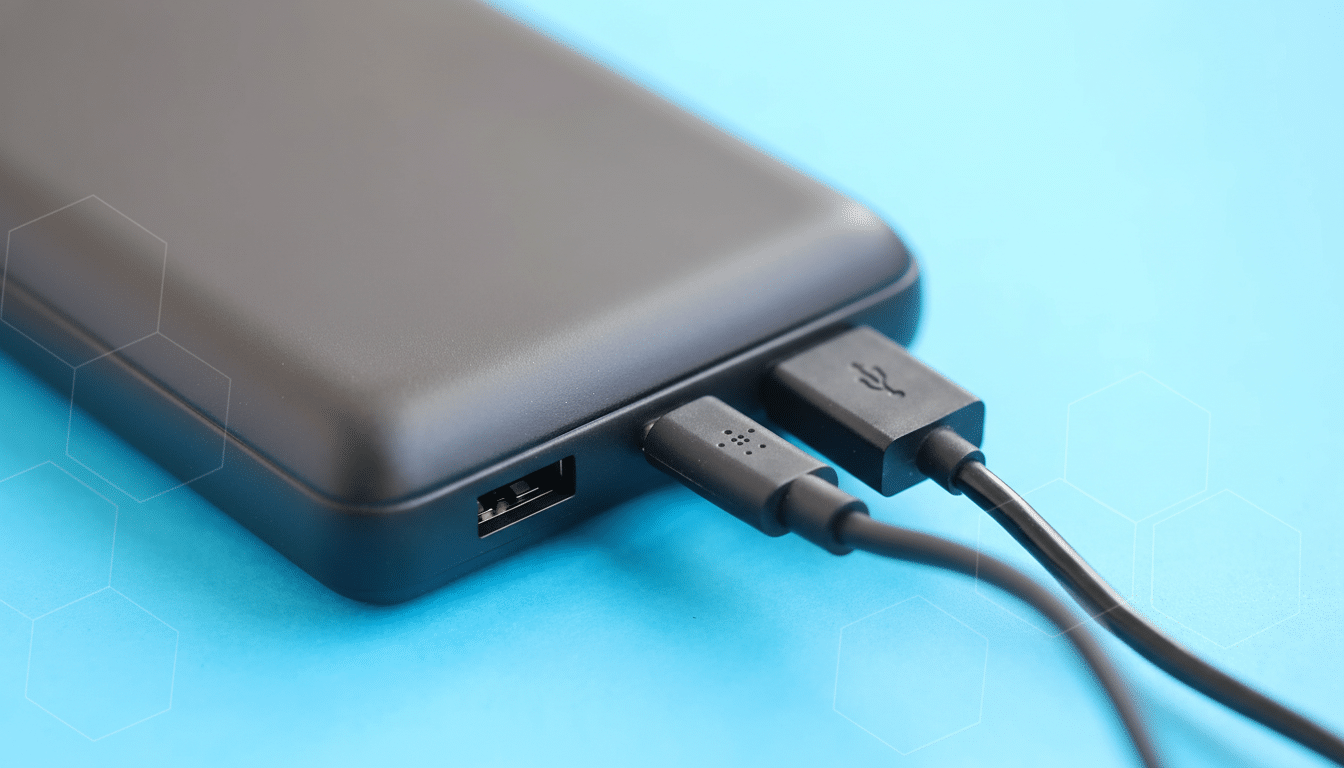
Belkin has agreed to settle a class-action lawsuit alleging its portable chargers overstated capacity, a case that zeroes in on how power banks are labeled and what users actually receive. The settlement offers small payouts to eligible buyers and includes changes to how Belkin advertises battery specs going forward.
The key takeaway for shoppers: California residents who bought Belkin-branded power banks within the court-defined period can claim either a $2 cash payment or a $5 Belkin credit. The lawsuit also nudges the industry toward clearer capacity disclosures, a long-standing pain point for mobile users.
What the settlement covers and labeling changes
The case, titled Miley v. Belkin International, Inc., alleged that certain Belkin power banks did not deliver the amount of energy consumers would expect based on the advertised milliamp-hour (mAh) figures. While energy losses during charging are normal, plaintiffs claimed gaps approaching 40%, a level well beyond typical conversion and cable inefficiencies.
Belkin denies wrongdoing but agreed to resolve the matter and adjust its marketing. According to reporting from Top Class Actions and court filings, Belkin will clarify that listed mAh values refer to the internal battery cells, not the usable output delivered to a device. That distinction is critical for buyers comparing real-world performance.
Who can file a claim and which purchases are eligible
Eligibility is limited to California residents who purchased Belkin-branded power banks during the period defined in the settlement. Purchases from major retailers, online marketplaces, and Belkin’s own storefront are generally included, though the official administrator’s page is the final word on qualifying models and proof requirements.
If you’re unsure whether your charger qualifies, check the model name imprinted on the device or its original packaging, then review the settlement’s product list. Proof of purchase may be requested, especially for higher-volume claims.
Payouts and options for cash or Belkin credit
Claimants can choose between a $2 cash payment or a $5 Belkin credit. The amounts are modest, reflecting the broad scope of class actions and the difficulty in assigning individualized losses for battery performance.
The credit is expected to be usable toward future Belkin purchases, potentially with standard terms and conditions. Payment method and timing will be managed by the settlement administrator once claims are processed.
Why labels and reality differ on power bank capacity
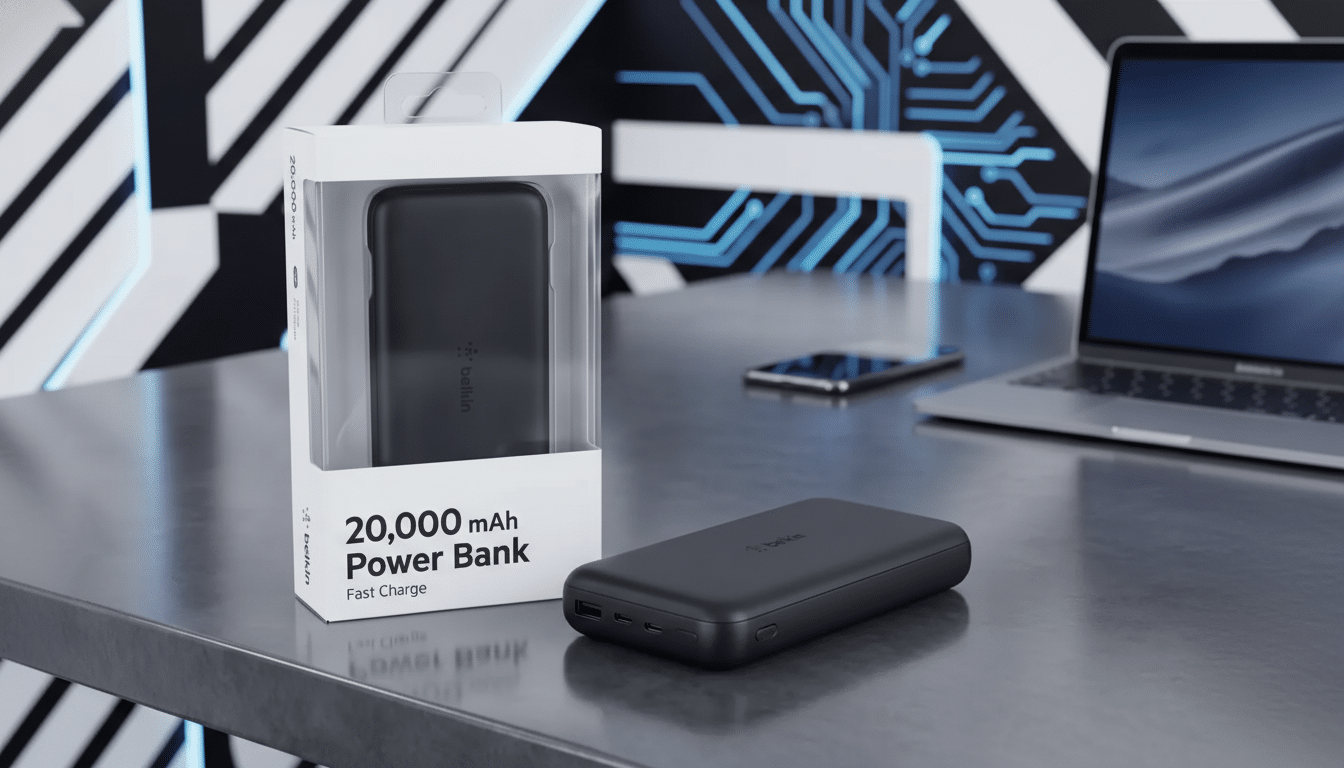
Most power banks use lithium-ion cells rated around 3.6–3.7 volts. The advertised mAh capacity describes those cells, not the energy delivered after conversion to the 5-volt USB output your phone expects. That step, plus heat and cable resistance, drains usable energy.
As a rule of thumb, a 10,000mAh pack at 3.7V stores roughly 37Wh. After conversion losses and real-world factors, the energy that reaches your phone often equates to something like 7,000–8,500mAh at 5V. Reputable lab tests, including those conducted by organizations such as Consumer Reports, routinely show that real-world output trails stated cell capacity.
A nearly 40% shortfall, as alleged in this case, stands out from those norms. The settlement’s disclosure changes should help consumers interpret labels more accurately, aligning with general truth-in-advertising principles enforced by the Federal Trade Commission and bringing attention to watt-hours (Wh), a clearer, voltage-agnostic metric also used by airlines under IATA guidelines.
What it means for buyers comparing power banks today
When comparing power banks, prioritize watt-hours over mAh to get a better sense of total stored energy. If you only see mAh, assume it reflects the internal cell and expect meaningful losses before the charge reaches your phone.
For travel or heavy use, consider buying a bank with at least 20–30% more capacity than you think you need. Look for brands that publish both Wh and mAh, provide transparency about conversion losses, and earn consistent results in independent tests.
How to start a claim and what information you need
Go to the official Miley v. Belkin International, Inc. settlement website. Have your basic purchase information ready, including the model name and place of purchase. You’ll be asked to attest to your purchase and select either the cash payment or the merchandise credit.
Submit your claim before the posted deadline and monitor any follow-up emails from the administrator. If approved, your payment or credit will be issued according to the settlement’s distribution process.
