


Bad Bunny’s impending Super Bowl LX halftime show is already a cultural flashpoint. After pointed criticism of U.S. immigration enforcement at recent awards shows and a long track record of immigrant-rights advocacy, the question is simple and combustible: Will the world’s biggest pop star use the sport’s biggest stage to call out ICE or Donald Trump?
The stakes are enormous. The halftime show reliably attracts well over 100 million viewers, according to Nielsen, and every frame is scrutinized by fans, media, and politicians. Homeland Security officials and the former president have publicly jabbed at the selection, while the artist’s own comments and creative choices suggest he’s comfortable letting politics and pop spectacle collide.
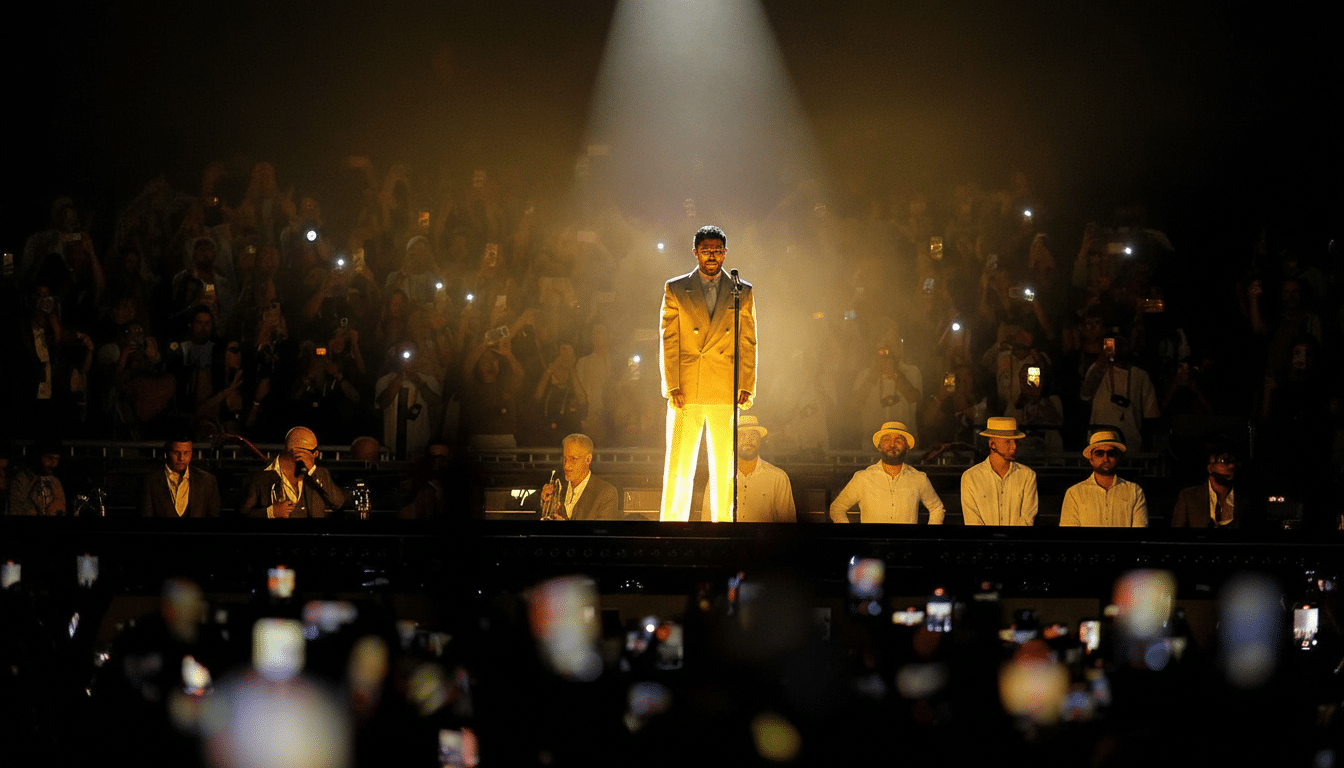
Why A Super Bowl Callout Would Resonate Nationally
Super Bowl halftime moments don’t just trend; they imprint. Beyoncé’s Black Panther-inspired imagery in 2016 fueled days of debate. Jennifer Lopez and Shakira’s 2020 show used child-like cages and flags to spotlight immigration and Latinidad without a single overt statement. In 2022, Eminem took a knee, a tribute to protest that the NFL later said it anticipated. Each example shows that symbolism travels farther than a soundbite.
For Bad Bunny, a direct line to immigration and Puerto Rican identity has long been part of the art. A subtle gesture, a lyric switch, or a screen graphic could deliver a message more indelible than a speech — and less likely to be muted by broadcast censors.
What The NFL Will Allow During The Halftime Show
Halftime shows are tightly choreographed collaborations among the NFL, network standards teams, sponsors, and the artist’s camp. Since partnering with Roc Nation, the league has pitched the show as both entertainment and a cultural bridge with its Inspire Change initiatives. That doesn’t mean carte blanche. Producers review camera blocking, lyrics, and visuals across multiple rehearsals, and live broadcasts run with delay to catch surprises.
Outright partisan broadsides are unlikely to clear vetting. But artists routinely embed messages that survive scrutiny because they serve the performance. In a telecast where 30-second ads sell for well north of $7 million, the NFL prefers statements delivered as art, not stump speeches.
Bad Bunny’s Track Record On ICE And Donald Trump
The artist has been explicit about immigration enforcement. He recently punctuated an acceptance speech by calling out ICE directly, and he has used social platforms to criticize federal agents operating in Puerto Rico, urging an end to harassment of workers. ICE arrests climbed roughly 30% in the first year of the Trump administration, per Department of Homeland Security reporting, anchoring his concerns in lived realities for Latino communities.
His touring choices have matched the rhetoric. In an interview with i-D, he said fears about potential ICE presence at U.S. venues influenced his decision to skip an American leg, opting instead for a 31-date Puerto Rico residency structured to keep tickets accessible and inject hundreds of millions of dollars into the island’s economy.
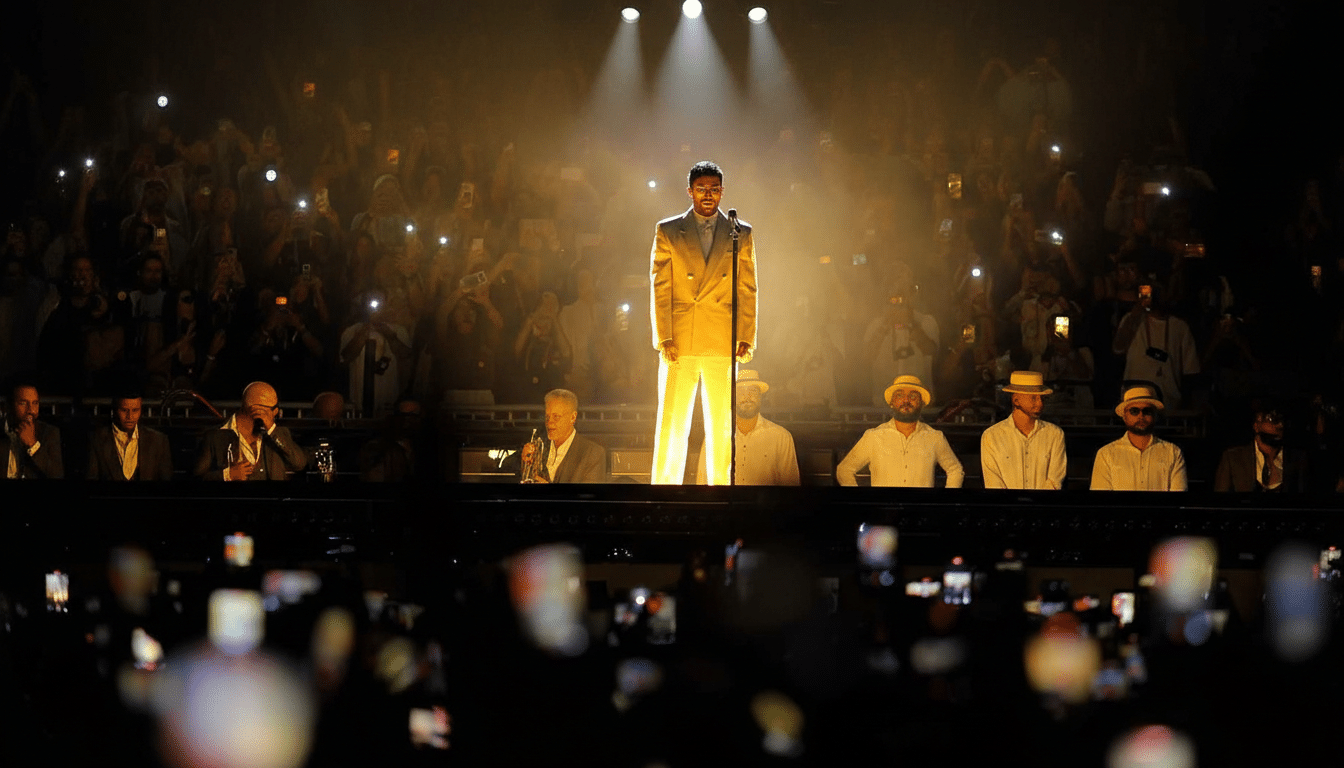
The politics surface in the music, too. A recent salsa homage to the Puerto Rican diaspora features a Statue of Liberty motif and a satirical voiceover that imagines a powerful figure apologizing to immigrants — a clear rebuke of nativist rhetoric without naming names. On live TV, he gently corrected a host who framed Puerto Rico as foreign, reminding millions that the island is America.
He rarely says Trump’s name, but his positions are legible. He publicly backed Kamala Harris during the last presidential cycle while citing frustration over Washington’s handling of Hurricane Maria. After the NFL announced him as the halftime headliner, the sitting Homeland Security chief, Kristi Noem, criticized the choice and referenced a heightened ICE presence. He responded on Saturday Night Live by framing the moment as a collective win for Latinos, delivered bilingually for maximum reach. Trump later dismissed him in interviews and said he would skip the game, calling the booking divisive.
The Risks And Rewards Of A Halftime Show Callout
Immigration routinely ranks among voters’ top concerns in polling by Pew Research Center and Gallup, making any halftime message instantly political. The NFL and its advertisers prefer broad appeal, but silence can carry its own risks for an artist whose brand is cultural representation. Bad Bunny’s commercial clout — the top global touring draw in multiple recent years and a streaming juggernaut — gives him leverage few performers enjoy.
There is also a pragmatic calculus: even muted statements ricochet across social media and cable news, multiplying impact beyond the stadium. A single lyric change can generate days of coverage without derailing the show for casual viewers.
What To Watch For In Bad Bunny’s Super Bowl Halftime
If a callout comes, expect it to be encoded in the set rather than a podium moment. Visuals that center Puerto Rico, bilingual title cards, or choreography that nods to displacement and labor would all scan. Guest choices could also signal intent; pairing with artists tied to immigrant narratives would deepen the theme. A quick “ICE out” ad-lib or a winking sample of political audio could slip past censors while leaving no ambiguity.
Whether he names ICE or Trump, spotlighting Puerto Rican identity before a massive, mainstream audience is itself a declaration. Bad Bunny has shown he can thread the needle between protest and pop. The only open question is how directly he chooses to speak — and how loudly the moment will echo after the confetti falls.
