


Bad Bunny turned a global spotlight into a shared heartbeat, closing his Super Bowl Halftime Show with a sweeping tribute to the Americas that triggered emotional reactions from living rooms to watch parties across the hemisphere. As he named countries and dancers waved their flags, social feeds lit up with videos of families shouting, crying, and hugging when their homeland appeared. If you want to watch the videos now, open any major platform and you’ll find feeds full of these celebratory clips.
The finale’s message was unmistakable: “The only thing more powerful than hate is love,” followed by a declaration that together, we are America. In a performance built for spectacle and scale, that closing passage landed like a personal shoutout to millions of viewers with roots in North, Central, and South America and the Caribbean.
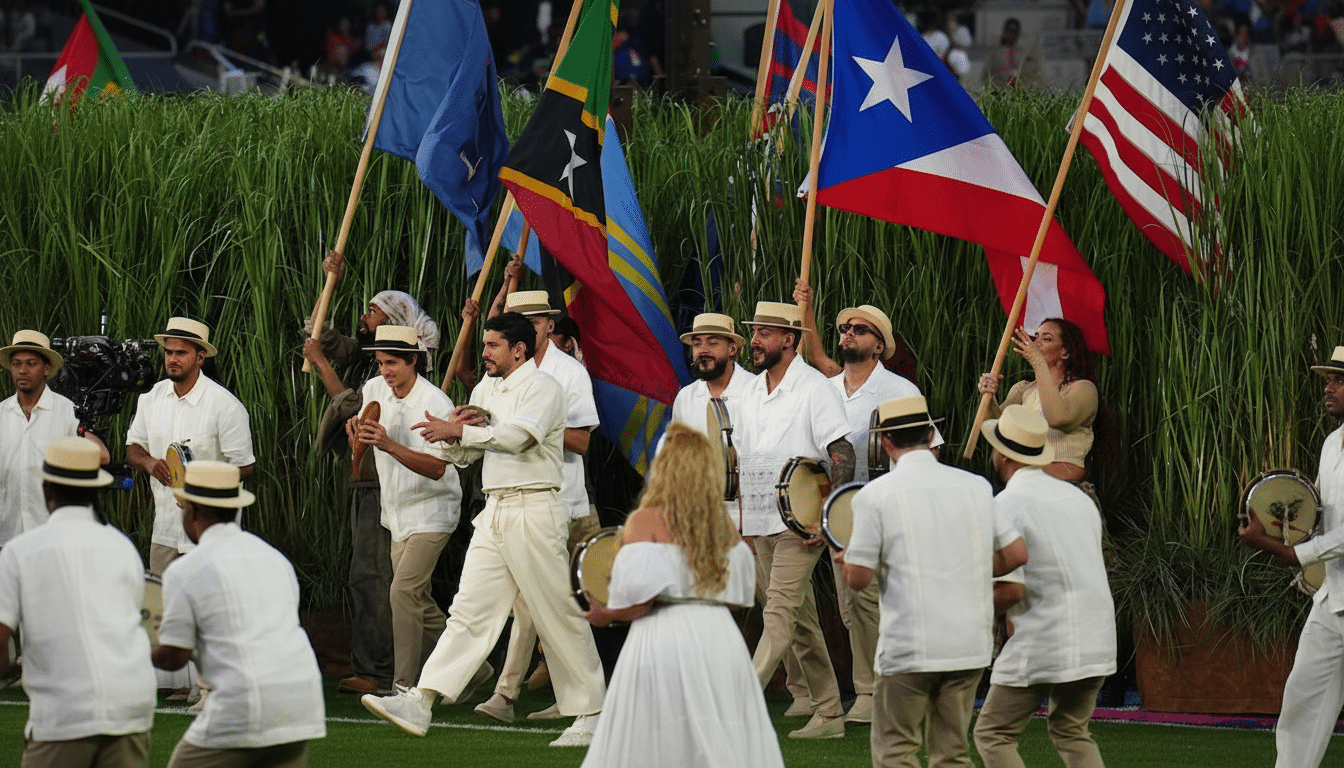
A Finale Built on Flags and a Sense of Belonging
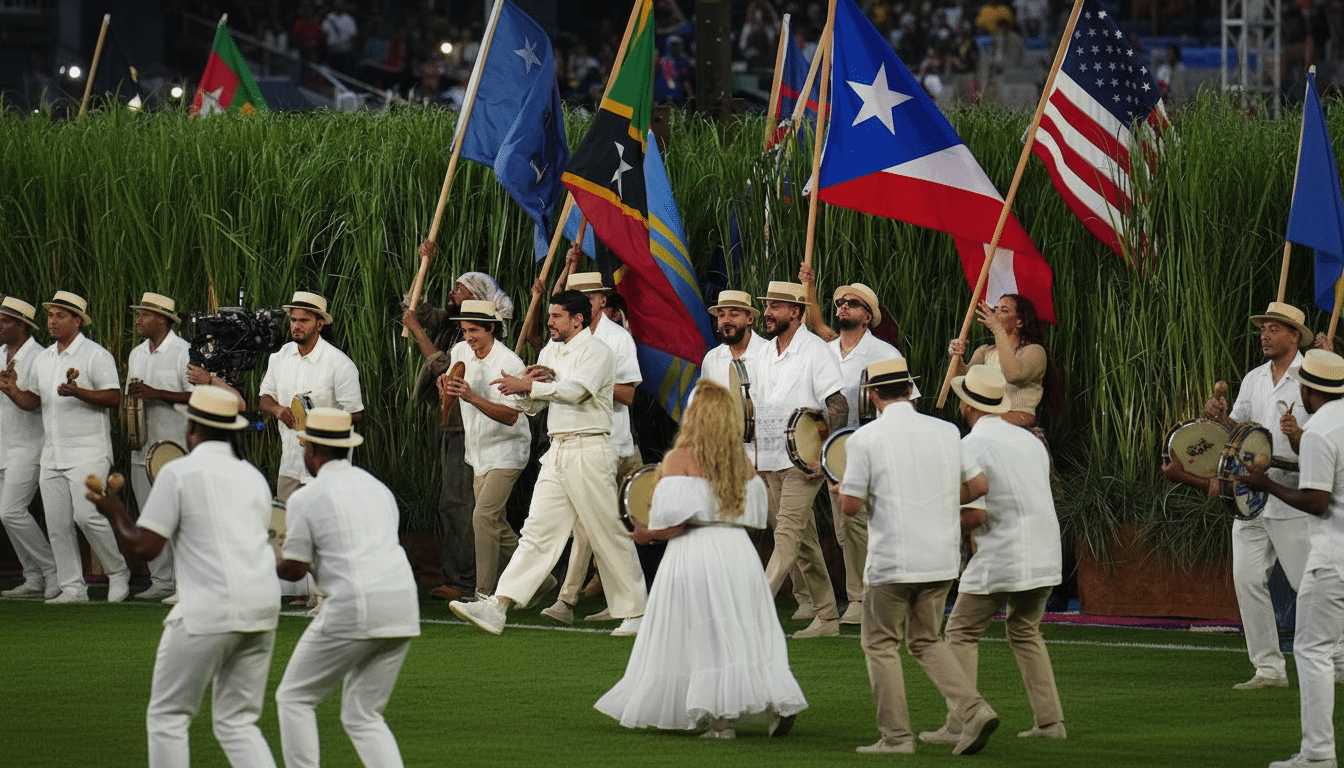
Staging made the point visible. As the roll call of nations rang out, the camera swept a sea of flags—Mexico, Puerto Rico, Brazil, Colombia, the Dominican Republic, Argentina, Chile, Canada, the United States, and beyond—while the main screen pulsed with affirmations. It wasn’t subtle, and it wasn’t meant to be. The choreography framed identity as celebration rather than niche, a statement that Spanish and Spanglish belong on the biggest pop stage.
For a halftime tradition that often spotlights greatest hits and fireworks, the choice to center a pan-American identity was a creative risk that paid off in resonance. The moment translated across borders because it asked audiences to locate themselves in the spectacle—then handed them the mic.
Diaspora Joy Captured on Video Across the Americas
Within minutes, TikTok, Instagram, and X were overflowing with reaction videos. Abuelas clutching flags on couches, roommates in Queens and Miami erupting when their country flashed on screen, bars in Mexico City and Toronto roaring in unison—short clips became communal testimonials. Many posts paired the roll call with cutaways to family photo walls or quick pans to homemade dishes on the coffee table, stitching sound, memory, and identity into a single beat.
This kind of rapid-fire documentation is now a hallmark of tentpole pop moments, but the emotional timbre here was unusually personal. The most-shared clips didn’t just show a famous performance; they showed recognition. Viewers weren’t simply watching the halftime show—they were in it. To watch the videos now, a search of trending halftime tags surfaces hundreds of these intimate, celebratory snippets.
Why This Moment Hit So Hard for Millions of Viewers
Representation experts often note that language and national symbols function as fast, powerful cues of belonging. On a stage that routinely draws over 100 million viewers, hearing your country named—in Spanish, without translation—feels different from a passing shoutout. It anchors pride to visibility. Media researchers have also observed that collective viewing supercharges emotion: when many people experience the same cue at once, the reaction compounds through social sharing and second-screen commentary.
There’s a broader context too. For years, IFPI has reported that Latin America is the fastest-growing recorded music region, while Bad Bunny himself has been a global bellwether—Spotify’s most-streamed artist worldwide for three consecutive years through 2022. Put simply, the culture already moved; the halftime stage is catching up.
The Numbers Behind the Moment and Its Ripple Effects
Halftime shows don’t just create headlines; they move consumption. After the 2023 show, Rihanna’s catalog saw triple-digit gains in U.S. streams and sales according to Luminate, the industry’s tracking firm. Expect a similar bounce here as viewers replay the finale and add setlist staples to playlists. That lift will ripple across Spanish-language tracks, a space where streaming already dominates listening behavior.
Bad Bunny’s commercial gravity is proven. Pollstar named him the top touring artist globally in 2022, with an estimated $435 million gross across his arena and stadium runs. Pair that with the Super Bowl’s unmatched reach and you get a cultural flashpoint that doubles as a demand accelerator—more spins, more searches, more ticket alerts across the Americas.
What It Signals for Pop’s Biggest Stage Going Forward
This finale nudges the halftime brand toward something more international and multilingual, reflecting how listeners already consume music—algorithmically borderless, fueled by community, and unafraid of code-switching. It also challenges future headliners to think beyond medleys and pyrotechnics. The most lasting set piece might be recognition itself.
For now, the afterglow lives where fans live: on their phones. The defining images of the night aren’t just from the stadium—they’re from living rooms and sidewalks across the hemisphere. If you scroll, you can watch the videos now and see it for yourself: one performance, countless countries, the same surge of pride.
