


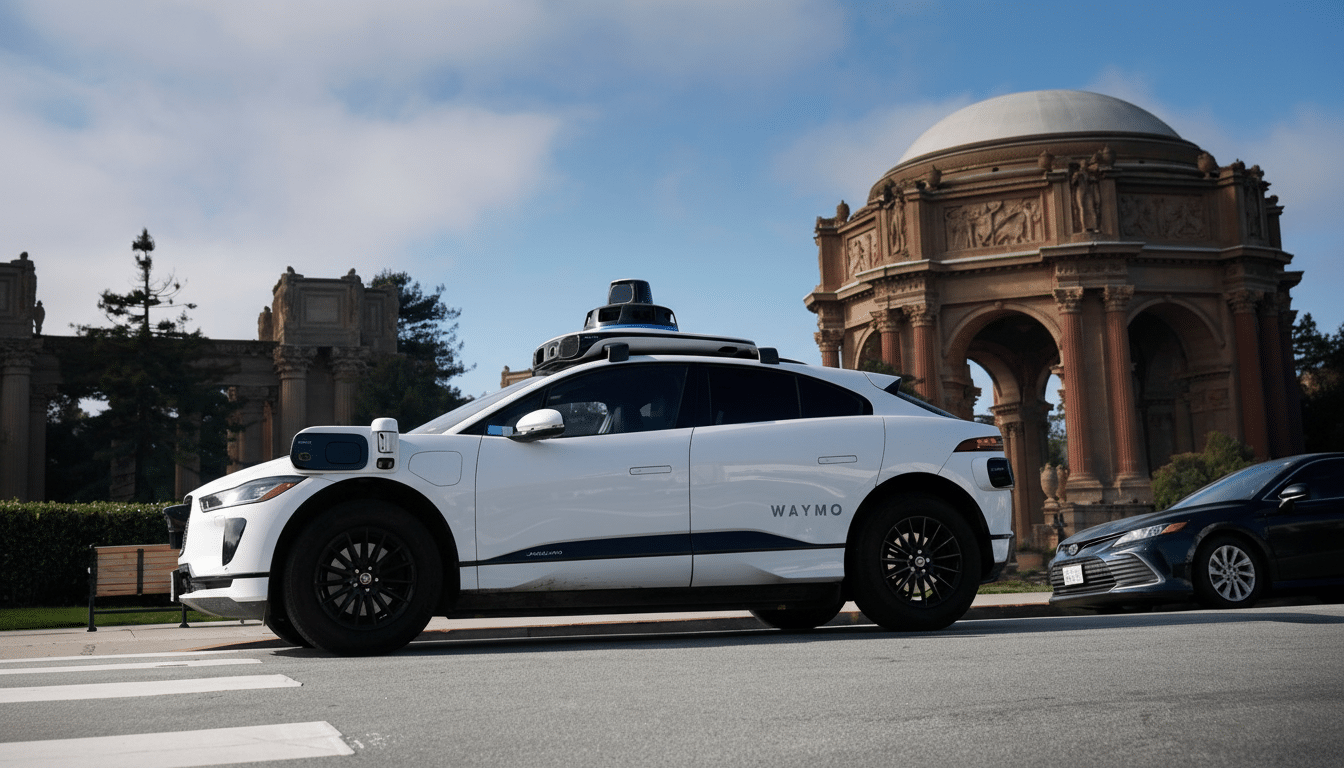
A San Francisco mother gave birth in a driverless Waymo en route to the UCSF Medical Center, a setting both futuristic and timeless. During the ride, Waymo’s remote support crew saw that there was an unusual amount of activity, contacted 911, and had the robotaxi arrive at a hospital before paramedics. It’s the latest chapter in a very old tale: where labor does determine, alpha and omega, that the vehicle — horse-drawn carriage, yellow cab, ride-hail, or autonomous car — is nothing but a delivery room.
A Familiar Story in a New Taxi: Births on the Move
Births in transit vastly predate apps and autonomy. London’s iconic black cabs have decades of legend behind them; American ride-hail drivers tell stories about glovebox-towel rescues; an Indian family famously named its newborn after the service that inched it closer to a hospital. The backdrop is new, the biology isn’t.
Medical context helps explain why. A small fraction of labors outpace expectations: precipitous labor — birth in around three hours or less — happens during approximately 2% of deliveries, according to obstetric literature. According to CDC data, out-of-hospital births have remained at about 1 percent to 1.5 percent of U.S. births in recent years but spiked during the pandemic. Parents who time contractions by the book can also be subjected to a rapid final stage.
This wasn’t Waymo’s first on-the-road delivery, the company told local reporters; a Phoenix baby apparently has that honor. Following the San Francisco incident, the company took that vehicle offline for cleaning — a reminder that operations need to be in minutes and mess, not miles and averages.
How Robotaxis Handle Emergencies on City Streets
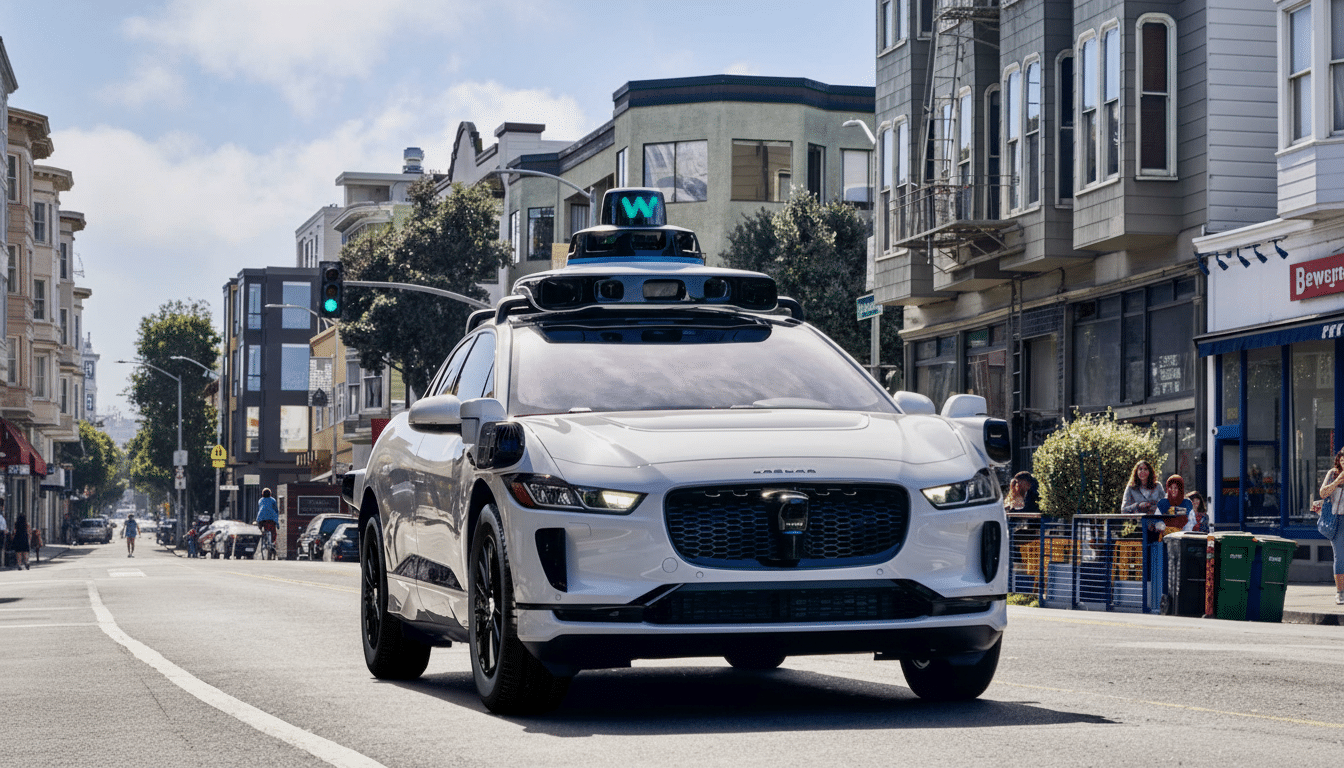
An autonomous car, unlike a human driver, doesn’t get to break traffic laws or dart around the lights. But autonomy does enable its own particular set of weapons: interior sensors, continuous connectivity, and remote assistance. Waymo’s vehicles can also call on a human support team, which can contact 911 and tell the car to pull over or keep driving to a specific location based on conditions.
As a middle ground, the best course of action during a medical emergency may be to advance cautiously toward care while waiting for first responders. And after a series of highly publicized incidents in which AVs blocked fire equipment, California regulators have pushed robotaxi operators to better coordinate on emergencies. SFFD has recorded dozens of interference events involving multiple operators, resulting in companies refining geofencing, pull-over behavior, and responder communication.
On safety performance, the company’s published data — and independent analyses of crash reports — have indicated lower injury-causing crash rates for supervised robotaxi operations compared to average human benchmarks for similar types of urban environments. Still, a birth in transit is not a test of crash avoidance; it’s we who are tested for human support, reaction time, and operational playbooks.
What the Data Tells Us About En Route Births
There is no national database of “taxi births” per se, but methods of transportation used by women give some clues in emergency medical services research. Prehospital births comprise a tiny portion of call volume, and they are usually low risk if an infant crowns before arrival. “It is true that most full-term newborns born outside a hospital, when the airway is cleared and the baby kept warm and the placenta appropriately managed with patience [without aggressive pulling], do fine,” says ACOG.
The more influential driver of outcomes isn’t the type of vehicle; rather, it’s timing. Parents who are having intense, rapid-onset contractions close together — frequently described by providers as the 5-1-1 rule — should get in touch with their provider and consider EMS outright. A robotaxi can take you for a ride, but it’s not a mobile clinic. When labor is speedy, trained responders and an ambulance’s gear are the surer bet.
Policy and Product Insights for AV Operators
This episode highlights a design frontier for autonomous fleets: inside-the-cabin emergencies. Operators are increasingly using cabin sensing to detect falls, smoke, or passengers who don’t respond. A birth adds a new signal pattern — and an even higher bar of privacy-respecting detection that will actually elicit real help, without voyeurism or triggering false alarms.
Already, regulators at the California Public Utilities Commission and Department of Motor Vehicles have sought to demand clearer emergency protocols as fallout from last year’s industry stumbles. Playbooks that specify staging areas, handoff points, and who calls whom first are now being shared by hospitals, fire departments, and AV companies. A case like that suggests forward motion: the remote staff escalated to action, the car remained calm, and the family reached clinicians promptly.
Urban mobility will continue to produce human outliers whom software can’t quite predict. How a mature robotaxi service treats an average ride is not its true test but the rare ones — births, allergic reactions, panic attacks, diabetic crashes — by executing calm handoffs and setting clear lines to people who can help. On that score, this newborn’s first trip was a small but instructive systems test.
For Riders Coming Soon, and Planning Ahead
However you travel, for parents approaching term, clinicians say it would be wise to stuff a small kit — towel, receiving blanket, and phone charger — into your bag no matter how you find yourself traveling. Know how to get in touch with your provider and, in the case of autonomy-equipped vehicles, how to use the pullover or in-app emergency feature. If contractions come on close together fast or fluid is visible, call EMS instead of trusting in any old for-hire ride. Babies are very bad at keeping schedules and often end up in the back seat.
