


Ayaneo, best known for its retro-style handheld PCs, is making a play for smartphones with a device designed, without any apologies, to be used primarily as gaming hardware. The firm has teased Pocket Play, an Android phone with a slide-out control deck that carries the spirit of classic portable consoles.
Instead of chasing some notion of thin-and-light, Pocket Play goes in for tactility. In the teaser, we zero in on an understated physical controller that sits just below the screen, setting Ayaneo’s first phone as a solution to the age-old compromise of touch controls for games and emulators on mobile.
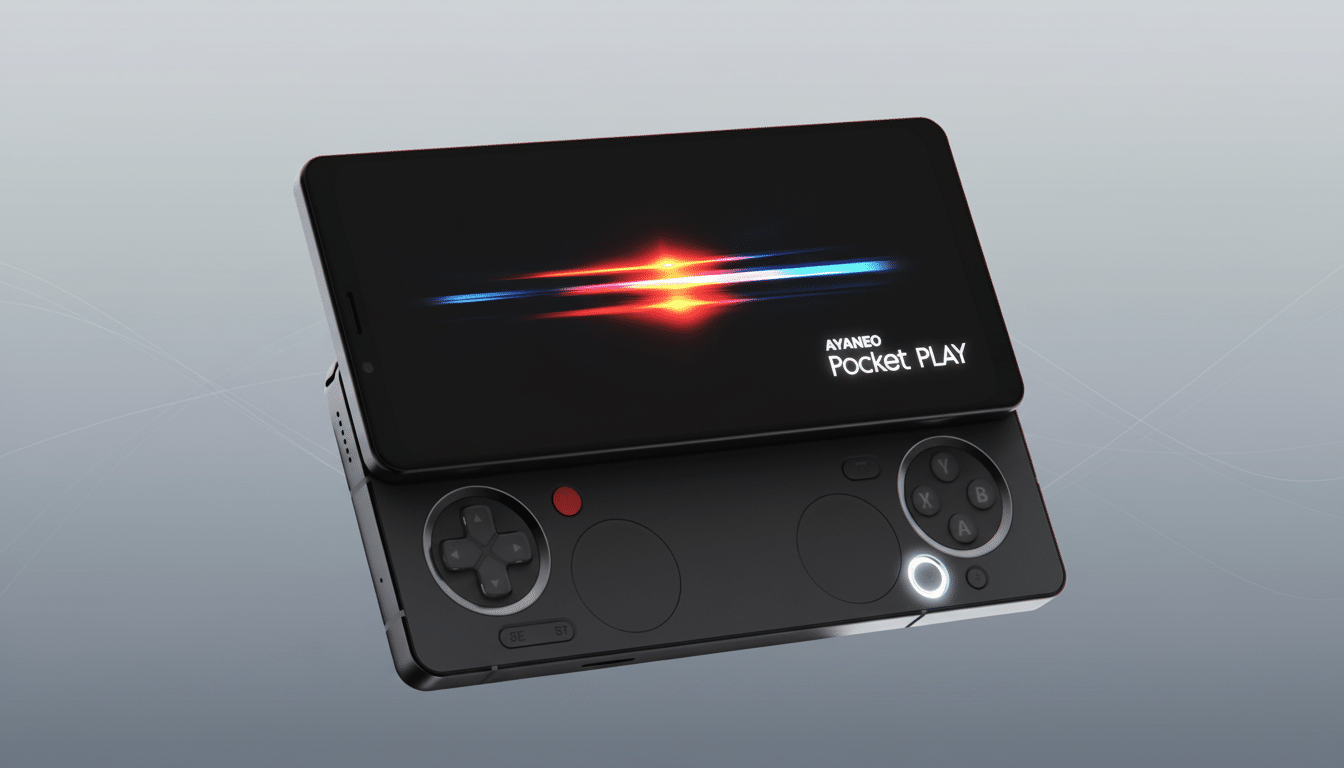
A Throwback Slider Designed for Serious Play
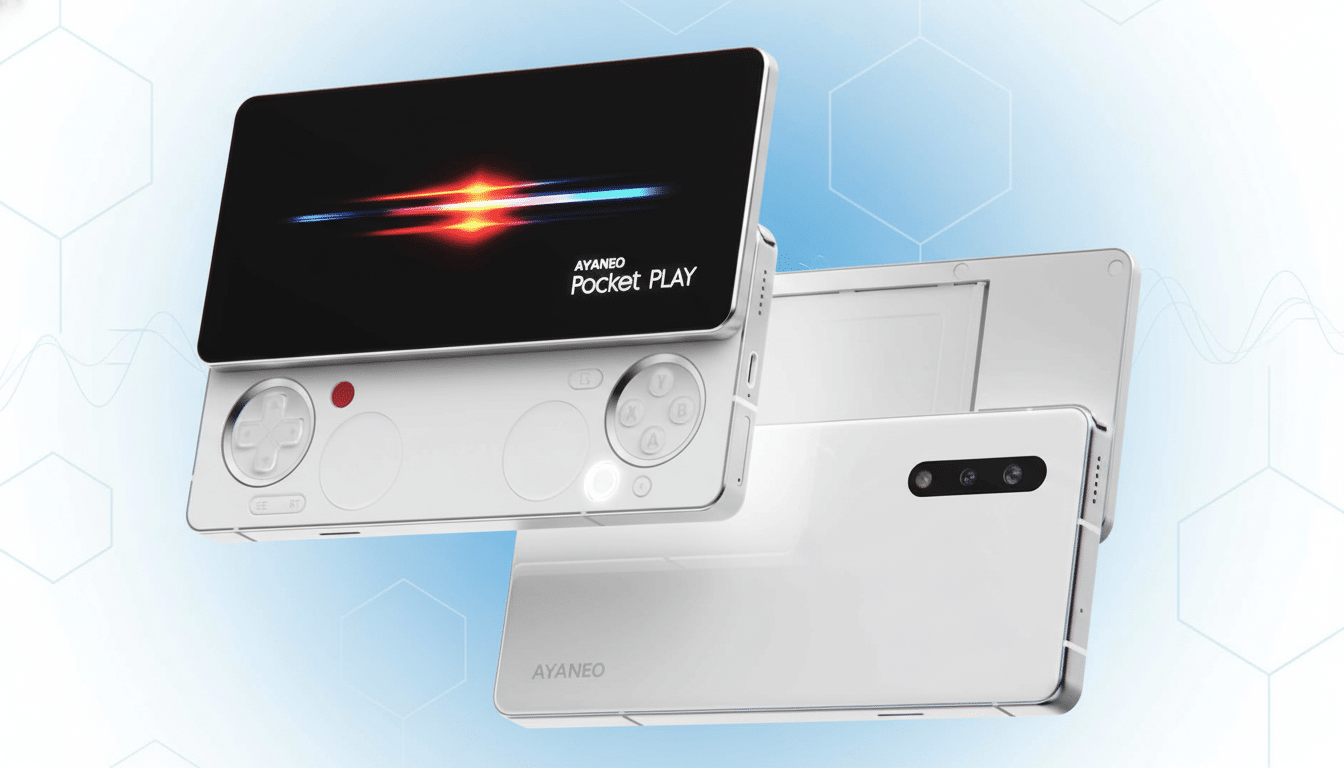
Slide up the screen, and Pocket Play exposes a classic-style D-pad, face buttons, and four shoulder triggers along the frame. Here’s a nod that riffled my nostalgia: two little touchpads where the standard analog sticks would reside, which could emulate stick input while doubling as mouse-like controls, a sly reminiscence of the company’s PC handheld heritage.
The hands-on courtesy of Ayaneo also reveals a USB-C port, SIM tray, and something that looks like a bottom-firing speaker. An Ayaneo button hints at an overlay for performance tuning, input mapping, or quick-launching profiles — features the marque already bakes into its handhelds. Power and volume buttons are positioned between the shoulder buttons for ease of use during gameplay.
Ayaneo won’t reveal any specs for now. The teaser has only revealed dual rear cameras and black or white finish options.
There’s no word yet on the:
- Chipset
- Battery capacity
- Display refresh rate
- Storage configurations
- Cooling solution
Even so, the industrial design itself is a confident pitch to players who would prefer integrated controls directly on the device instead of clipped-on accessories.
What We Know and What We Don’t About Pocket Play
Confirmed: Pocket Play is Android-based, with a sliding display to show integrated controls and cellular connectivity. The unit is scheduled to launch through Kickstarter, where potential buyers can sign up for updates. That crowdfunding approach is in line with Ayaneo’s past launches, which (notwithstanding any potential delays) have regularly resulted in enthusiast-grade hardware that occasionally falls out of sync with the timelines one might associate with crowdfunded products.
Yet key questions remain. Performance will vary, dependent on the selected SoC and thermal options. The bad battery life common to most gaming phones comes down to cell size and power management under heavy loads. Display characteristics — outdoor visibility, touch responsiveness, panel type, brightness, and refresh rate — will also play a role. Finally, the software layer matters too: remapping the controller, per-game profiles, or emulator-friendly tweaks could make or break the experience.
Why It Makes Sense for a Gaming Phone Like This Now
Mobile is the world’s largest gaming platform, but remains massively underinvested in terms of equitable hiring. Mobile makes up roughly 49% of global games revenue, according to Newzoo, fueled by free-to-play hits and premium titles alike. And Android’s sweeping device footprint — it accounts for about 70 percent of all global smartphone shipments, according to IDC — creates a huge canvas for hardware makers who want to reach gamers.
And yet, most “gaming phones” have the industry-standard RGB flair and high-refresh screens but outsource controls to third-party pads. The Ayaneo move here is to address that pain point head-on. When it comes to physical inputs for direct or cloud play, the emphasis is on reducing input latency. For retro aficionados, the onboard touchpads might allow for more precise control in mouse-toting games, while newer Android games also gain a stable, no-pairing input that’s free from wireless gremlins.
A Patent Window and a Design Revival for Sliders
The timing is noteworthy. Industry observers say that the recent end of patents on sliding displays married with integrated controllers have unshackled OEMs to chase flights of fancy in remixing favorite form factors. We’ve already watched handheld-only devices testing out this kind of mechanism. Ayaneo’s twist is to blend that nostalgia with full phone functionality, entering a lane that mainstream brands have largely abandoned.
Competitive pressure will come from two places: dedicated gaming phones with bleeding-edge silicon and shoulder triggers, and compact handheld consoles providing console-grade controls without the smartphone baggage. The writing is clear enough on what sets Pocket Play apart — no add-ons needed, none of the iffy day-to-day phone compromises — but how it pans out will really come down to execution in thermals, ergonomics, and software polish.
Price, Risks, and What to Watch Before Backing Pocket Play
Price could define the audience. Land too close to premium gaming phones and Pocket Play has to keep up with their performance and displays; go below them, though, and Ayaneo can serve a loyal niche of emulator fans and on-the-go players. The usual caveats of crowdfunding apply, as timelines can shift, components can be swapped, and early software may need updating to reach its full potential.
Key signals to watch for as Ayaneo reveals more:
- Processor
- Cooling solution and battery capacity
- Display refresh rate and touch sampling
- Controller-mapping flexibility across in-demand titles and emulators
- Long-term software support
If Ayaneo threads that needle, then Pocket Play could be the most believable slider gaming phone reboot yet — this time around with a mature Android gaming ecosystem and an audience that now knows exactly what it wants.
