


Educators and reading researchers have a message for people who rely on tools like spellcheck, autocorrect, and predictive text to help students write papers or essays in an era of much-diminished instruction time: They’re missing out. The quick fix may appear immediately beneficial, but it undermines reading, writing, and even confidence in hidden ways.
In one viral classroom clip, a first-grade teacher displayed a 10-word high-frequency spelling quiz that several students simply refused to answer, leaving numerous answers blank.
- Why Spelling Still Matters for Reading and Writing Skills
- What the Data Says and the Gaps We’re Still Missing
- The Hidden Costs of Autocorrect and Overreliance on Tools
- What Good Spelling Instruction and Teaching Looks Like
- Practical Steps for Parents to Support Better Spelling
- The Payoff: Confidence, Fluency, and Lasting Literacy Gains
That’s not just a momentary blip in the classroom, experts say — it’s a warning sign of skills that are being outsourced to software at an increasing pace.
Why Spelling Still Matters for Reading and Writing Skills
Spelling is not busywork; it’s the snapshot of literacy, the cornerstone of fluent reading and writing. Understanding how sounds correspond with letters — and how patterns and rules determine that correspondence — leads to what the cognitive scientist Linnea Ehri calls “orthographic mapping,” a virtual filing system in which words can be readily recognized. Without that system, understanding slows and writing stalls.
“Spelling is a motor for reading development, not an optional decoration,” observes Brennan Chandler, a literacy researcher at Georgia State University. Tech tools can obscure those gaps, which then become barriers to advanced reading and writing, he warns.
What the Data Says and the Gaps We’re Still Missing
There is no national spelling test, so the problem remains hidden in the open. But the picture from larger literacy metrics is sobering. Younger students also posted historic declines in reading in the latest long-term trend results from the National Assessment of Educational Progress.
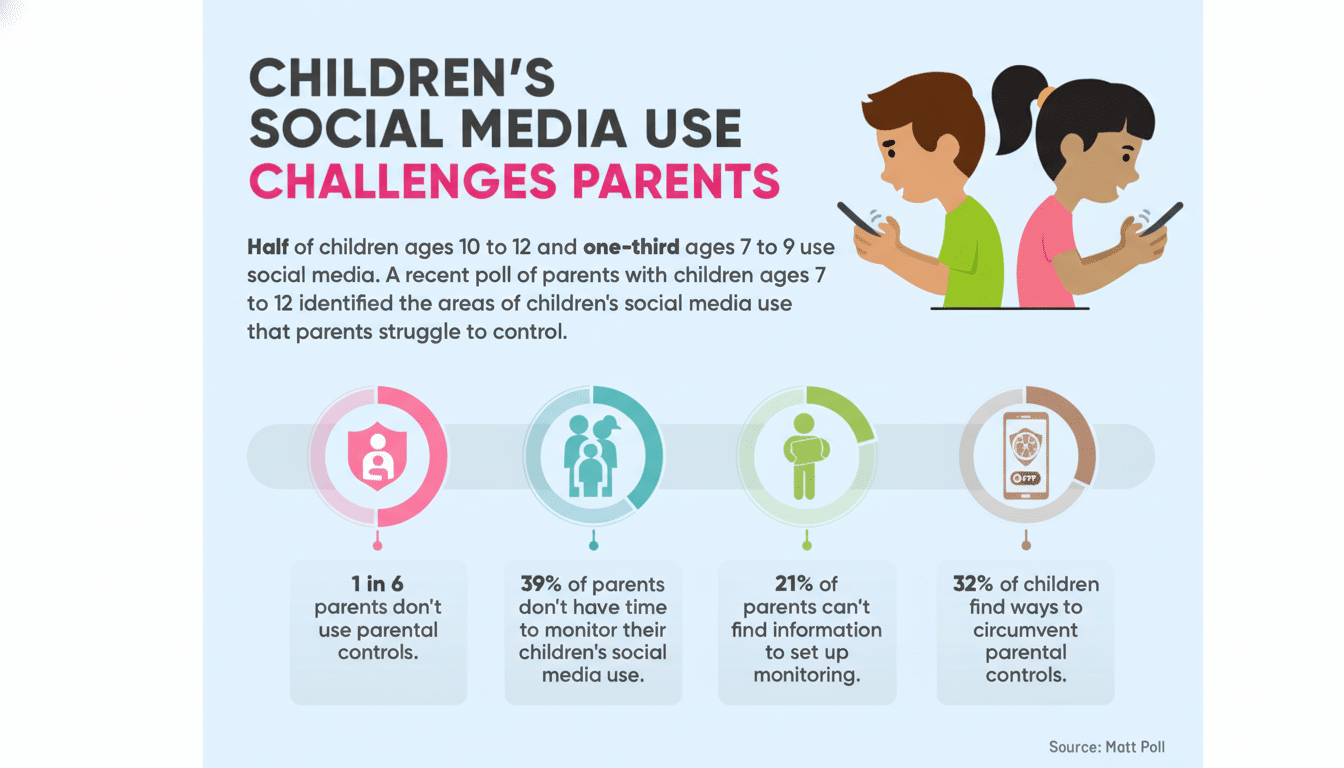
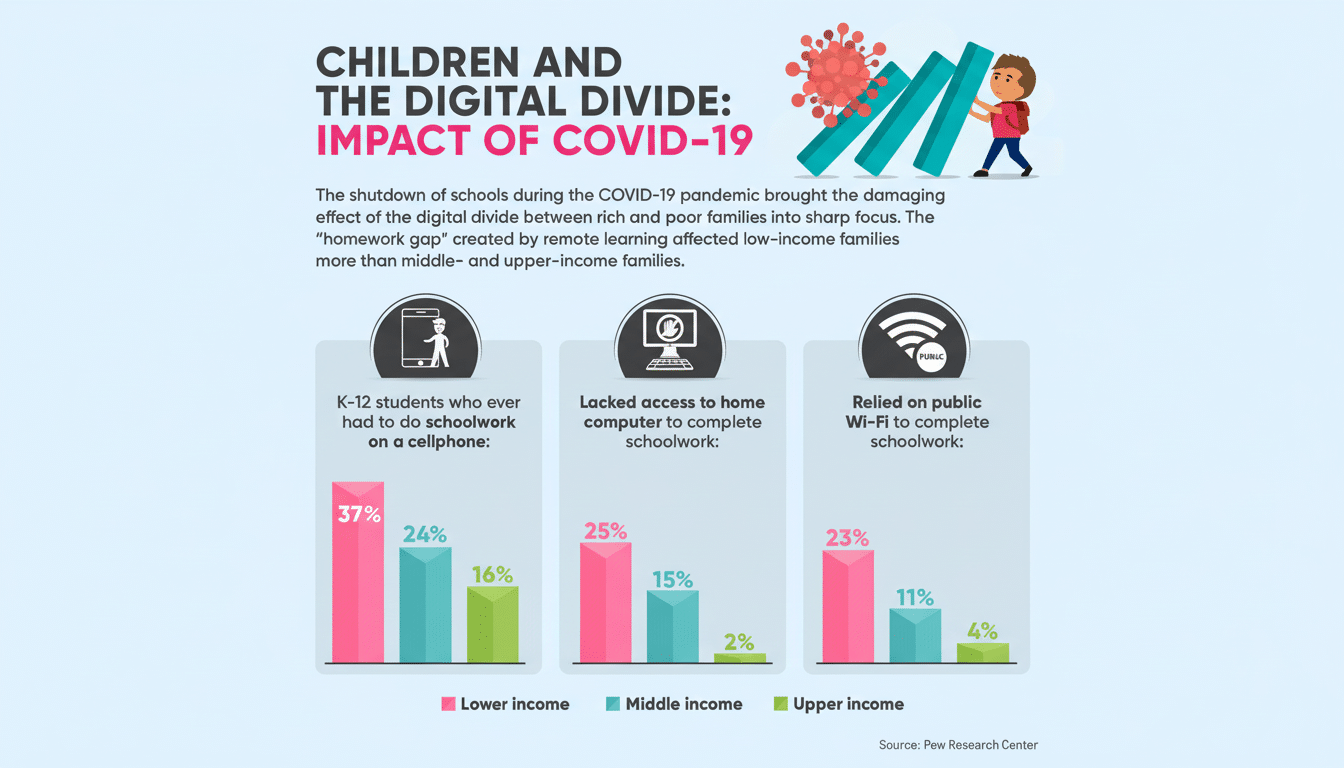
Meanwhile, children are more and more connected to devices at an earlier age. According to Pew Research Center, well over 90 percent of U.S. teens have access to a smartphone, and classroom platforms often come with built-in autocorrect. The provision of high exposure to assistive features without direct instruction fosters dependency.
The Hidden Costs of Autocorrect and Overreliance on Tools
Autocorrect and AI can clean up typos, but they don’t provide the logic of English. They also spawn “real-word” errors — the kind that spellcheck transmits blithely, as “form” for “from.” Tools that do not consider the sense of the sentence and those confusing homophones are likely to go astray or miss academic words and PNs.
What’s more, dependence on fixes cuts off learning. It is in that exchange — not drilling and memorization but “retrieval practice,” as researchers call it — that memories are forged. Studies conducted by cognitive psychologists on this “testing effect” prove that effortful recall reinforces learning. Click-to-correct strips away the effort and learning.
There’s also a diagnostic cost. Consistent poor spelling can be a red flag that your child has or is at risk for dyslexia, or related language-based learning issues, which the International Dyslexia Association says it affects between 15–20% of the population. If software is obscuring those errors, it’s harder to support students on time.
What Good Spelling Instruction and Teaching Looks Like
It is clear from research that explicit, systematic spelling instruction works. A meta-analysis led by literacy expert Steve Graham concluded that direct, targeted spelling instruction can improve not just students’ spelling, but their reading and writing as well. The benefits last when instruction is structured and cumulative.
What does it mean in the classroom? Education author Richard Gentry suggests around 20 minutes per day dedicated to:
- Phoneme–grapheme mapping: the relationship of sounds to letters and letter combinations.
- Syllable types and patterns: closed, open, magic-e, vowel teams, r-controlled vowels, and consonant-le.
- Morphology: roots, prefixes, and suffixes that explain families such as sign, signal, signature.
- Conventions: why c sounds like /s/ before e, i, y and /k/ before a, o, u; when to double consonants; when to take on or keep the silent e.
Reading-based organizations like Wilson Language Training stress that memorizing lists of words, which students often do in elementary school, is not sufficient. Students require the rules and patterns that make English seem logical rather than chaotic.
Practical Steps for Parents to Support Better Spelling
- Watch the early signs. Children should represent most sounds in a logical way by the end of first grade, even if spellings are not correct (e.g., e-g-u-l for eagle). If letter–sound knowledge is weak in kindergarten, or if it continues into the second grade, request screening and assistance.
- Ask your school about spelling. Is there a well-defined, year-to-year progression in patterns and morphology, or is it primarily lists and quizzes? Rule-based curriculums teach rules, and offer daily drill.
- Create a home routine quickly. Five to 10 minutes a day beats last-minute cramming. Practice dictation of short sentences, cover-copy-compare on tricky words, and word sorts that turn similar patterns into a group (cake, made, late).
- Make patterns visible. Create a tiny notebook of “rules that save me” with examples: c before e/i/y, doubling after short vowel, adding suffixes (hop hopping; hope hoping). Revisit and add to it weekly.
- Use tech strategically. Draft by hand or with autocorrect off; then turn tools on for the final pass. Consider software a checker, not a teacher — and ask your child to justify why every correction is the right one.
The Payoff: Confidence, Fluency, and Lasting Literacy Gains
As students become adept spellers, the writing process is eased and reading rate increases.
Their confidence grows as they realize that English is learnable, not luck. That fluency opens academic doors well beyond language arts — to science reports, history essays, and future job applications.
Tech can polish prose, but it’s not the brainwork that makes literacy stick. Teach the code before the tools.
