


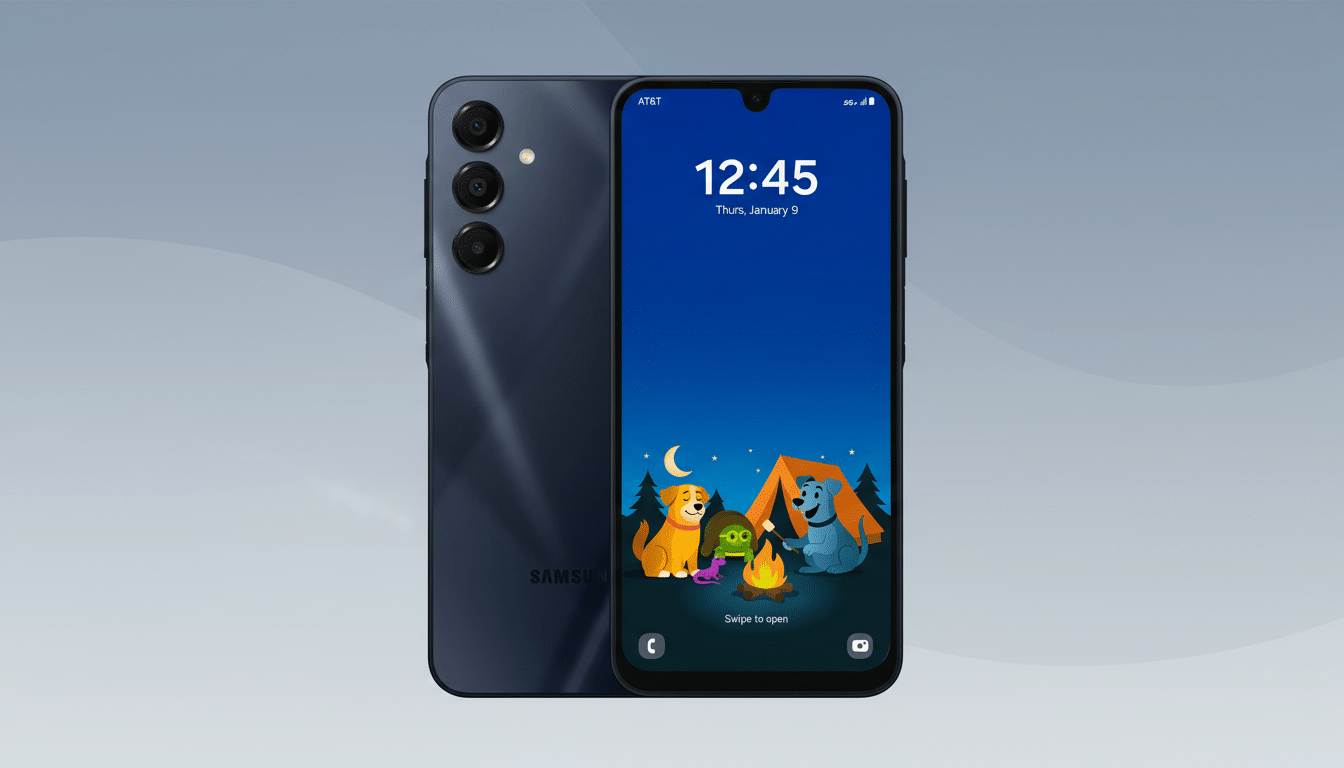
AT&T is moving directly into the kids phone market with the amiGO Jr. Phone, a purpose-built device co-developed with Samsung and wrapped in AT&T’s parental-control software. The carrier is positioning it as the first kid-specific smartphone introduced directly by a major US network, a pointed challenge to specialist brands that have dominated the space.
Why a carrier-built kids’ phone matters to parents and families
Most families have faced a familiar dilemma: hand down a full-featured smartphone and lock it down later, or buy a limited device that feels dated on day one. AT&T argues there’s demand for a middle path that is safe out of the box and supported by a trusted provider. The company cites internal research showing 60% of parents with children under 12 view a phone as a safety essential, and roughly 70% prioritize emergency calling and location tracking over entertainment.
Broader trends support the move. Pew Research Center reports that 95% of teens have access to a smartphone and nearly half say they are online almost constantly, underscoring why parents want tighter guardrails earlier. Common Sense Media’s long-running census shows screen media use rises sharply between late elementary and middle school, fueling interest in devices that can throttle distractions without sacrificing core communication.
Built for control, not just compatibility, from day one
Instead of repurposing a standard Galaxy or iPhone, the amiGO Jr. starts with Samsung hardware and layers AT&T’s controls on top. The baseline experience centers on calling, messaging, and location sharing, intentionally limiting access to app stores and social platforms until parents opt in.
Management runs through the free AT&T amiGO app on a parent’s Android or iOS device. From there, caregivers can set screen time windows, approve downloads, and make remote changes without hunting through menus on a child’s phone. Real-time location, customizable Safe Zones that alert when a child arrives or leaves a place, and school-hour schedules are built in to reduce day-to-day friction.
This preconfigured approach mirrors what many parents already attempt with Google Family Link or Apple Screen Time, but bundles it at the carrier level with network support, device financing, and a curated feature set that reduces setup complexity.
Price details and a new watch option for younger kids
AT&T says the amiGO Jr. Phone and the new amiGO Jr. Watch 2 are available for $2.99 per month on installment with no trade-in required. The updated watch is positioned as an on-ramp for kids not ready for a phone, adding tougher construction, messaging, simple games, and a rewards feature to reinforce good habits.
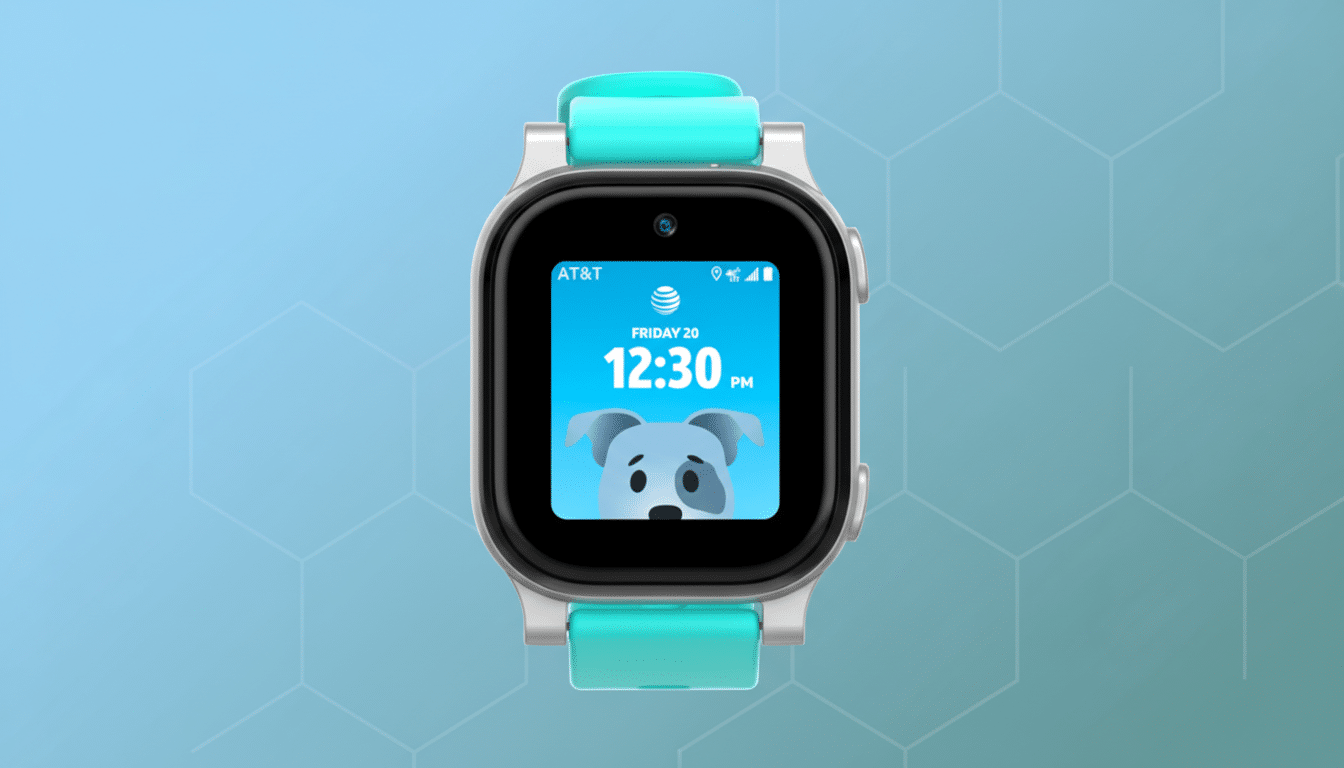
For families used to buying from their carrier, the draw is predictability: one bill, flexible controls, and a device that won’t blindside parents with surprise apps. Price also undercuts many niche rivals that ask for higher monthly fees once hardware, service, and optional monitoring are combined.
AT&T takes aim at Gabb and a crowded, growing kids’ phone field
The launch targets a category long led by specialist brands. Gabb Wireless built momentum with stripped-down phones and watches that omit browsers and social media by default. Pinwheel and Bark offer similar guardrails through customized software on mainstream hardware. Meanwhile, big carriers have focused mostly on kids watches, like Verizon’s Gizmo series, rather than phones designed for children.
AT&T’s entry could shift the landscape by pairing kid-first software with carrier retail presence and support. If the company keeps adding features — such as more granular school modes or educator-approved app lists — it may pressure rivals to lean further into curated ecosystems rather than just blocking sites and services.
What parents should weigh before choosing a kids’ first phone
Beyond price and features, families should consider privacy, data stewardship, and how location information is stored. Devices aimed at children must navigate parental consent and data minimization standards, particularly for kids under 13 covered by federal privacy rules.
It also helps to pair any kid-centric device with a clear family media plan. The American Academy of Pediatrics encourages setting expectations around when and where phones can be used, reinforcing that tools like Safe Zones and schedules work best alongside consistent routines and conversations about online behavior.
With the amiGO Jr. Phone, AT&T is betting that building safety into the design — rather than retrofitting controls later — will resonate with parents looking for a safer first step into mobile life. For a market crowded with point solutions, a carrier-backed option could be the nudge many families were waiting for.
