


What a trend report is to a fashion aficionado, this conversation around tools at Disrupt 2025 was the equivalent for me, except that it amounted to how everything you knew about tooling has been rewired. Taking the stage, Lauri Moore from Bessemer Venture Partners, Sentry’s David Cramer, and Zach Lloyd of Warp read as one on an obvious thesis: the tools that will be most valuable are those that collapse discovery, build, test, and feedback into a single AI-native loop—so winners in the game will ship fast without losing their minds about reliability, security, or cost.
The New Stack: AI-Native Workflows Define the Future
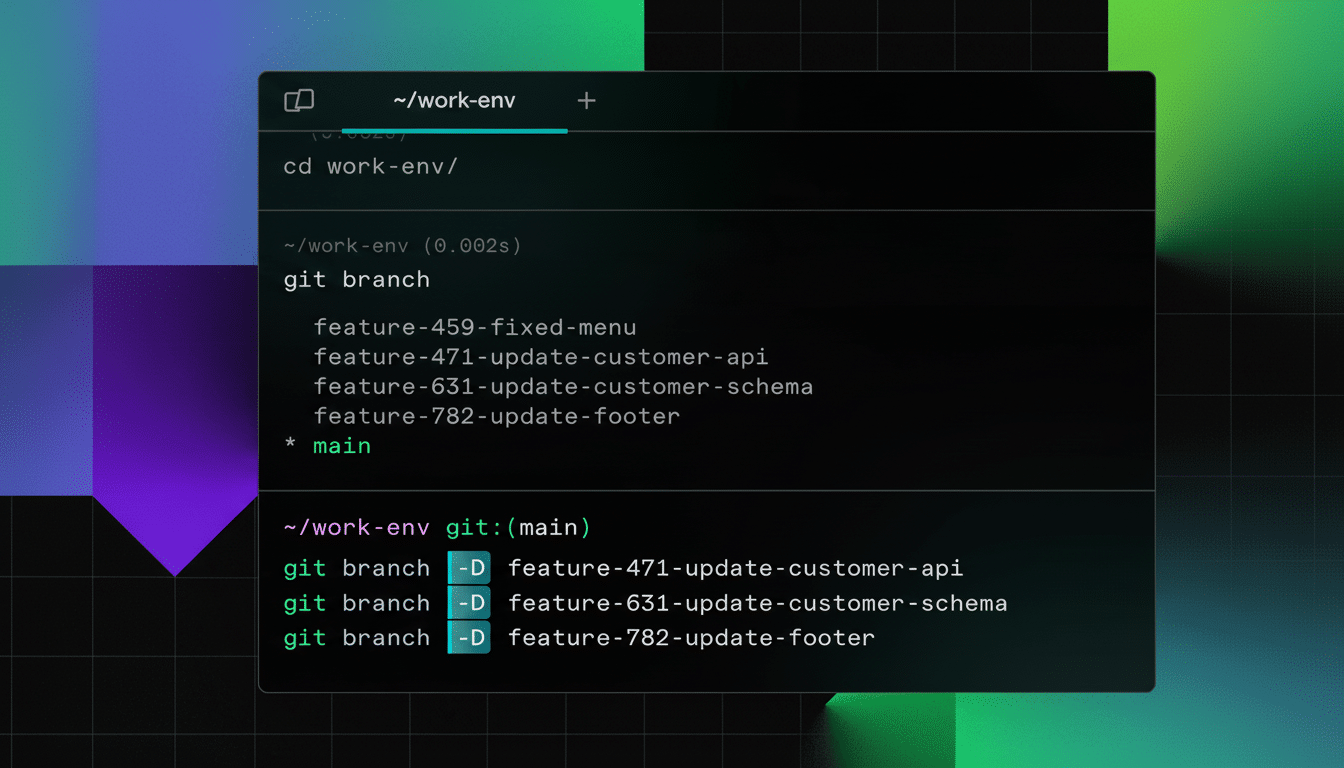
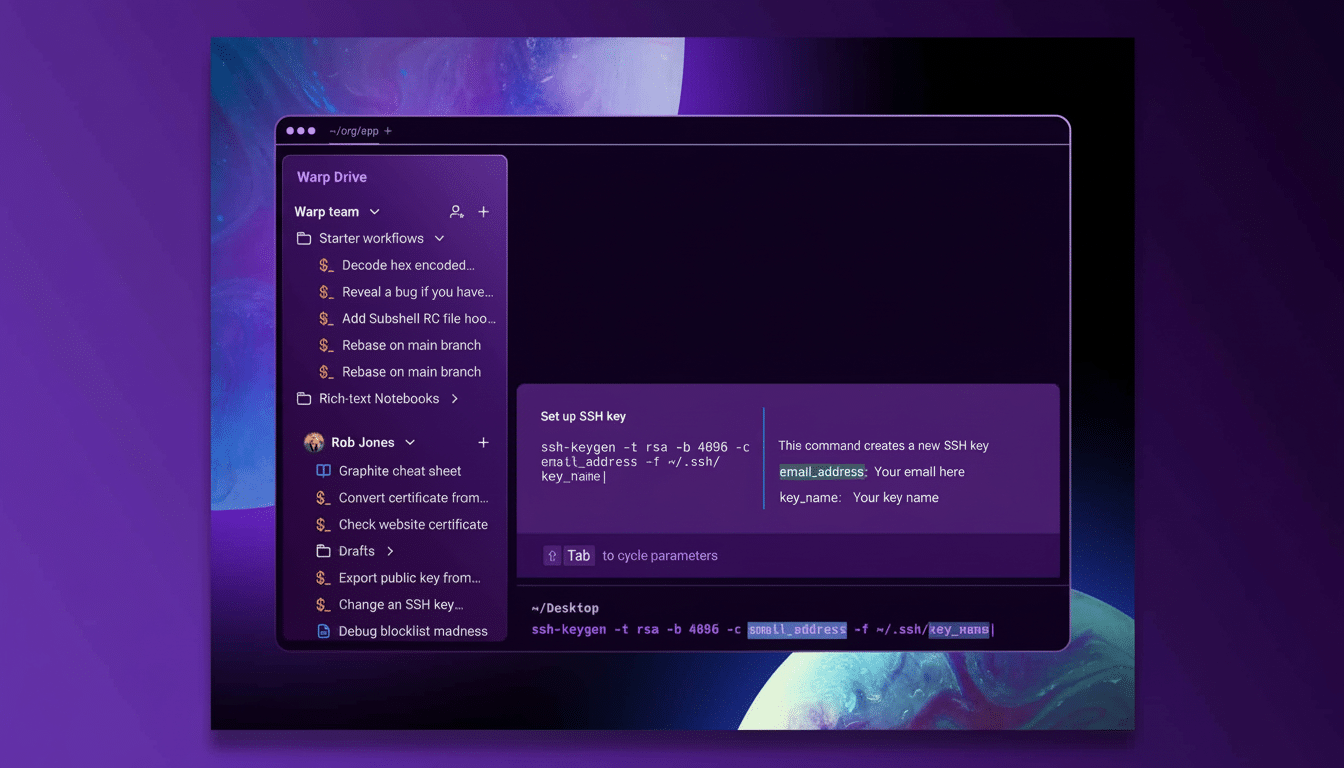
Toolchains are transitioning from “assistive” to “autonomous-with-oversight.” It’s no longer just your IDE copilot; AI is encroaching upon the terminal, CI/CD, code search, and incident response. This is what Warp’s wager on an AI-augmented terminal represents: the command line becomes a conversational surface that remembers context, autocompletes workflows, and encodes best practices into reusable actions.
- The New Stack: AI-Native Workflows Define the Future
- Platform Engineering Is the Product, Not a Process
- Shipping Faster With Guardrails That Actually Work
- The First Hires That Count in Early Engineering Teams
- Rethinking Go-to-Market for Developer Tools and Buyers
- What To Watch Next in AI-Powered Developer Tooling
Adoption data backs the momentum. According to the Stack Overflow 2024 Developer Survey, a notable proportion of coders work with AI tools on an everyday basis, and they have such apps embedded into their workflows. According to my analysis and GitHub’s research, developers are able to perform tasks much faster with AI pair programming, which doesn’t mean that, even when used for review and testing, it will always produce perfect code. The implication for tooling founders is stark: AI that’s “in the flow” trumps AI sitting off to the side.
Platform Engineering Is the Product, Not a Process
Startups are now developing “platforms for building” earlier in their life cycle. Internal developer portals, golden paths, or policy-as-code are no longer the privilege of big companies. The Cloud Native Computing Foundation has documented the platform engineering trend as teams wrangle Kubernetes sprawl and broker onboarding with tools like Backstage. A DevOps playbook from yesteryear now feels like product management: define opinionated defaults, automate the boring parts, and measure outcomes.
Moore added that an investor’s perspective changes how this is viewed (which goes to show that, in the modern era, focus on efficiency trumps feature set: anything that reduces cognitive load and excess spend is going to be hugely appealing over an extensive catchment area). OpenView’s pricing benchmarks demonstrate growing momentum toward usage-based models, connecting vendor revenue with the customer value ultimately realized through real developer adoption and workload volume.
Shipping Faster With Guardrails That Actually Work
Cramer’s story from Sentry, an open-source project created on a lark to something used by 4 million developers, brings its trajectory into focus: observability transformed from a postmortem artifact into input to the design process itself. Leading teams wire error monitoring, tracing, and release health into the first sprint to ensure every commit incrementally tightens the learn–ship–improve loop. For instance, DORA community research has long correlated faster, safer deploys with business impact; what’s new is how AI exposes the “why now” story behind regressions and suggests mitigations.
Still, there are hard limits. NIST’s AI Risk Management Framework and the OWASP Top 10 for LLM Applications include the reminder that model output is non-deterministic and therefore vulnerable to prompt injection, data leakage, and bias. The takeaway here, practically speaking: keep humans in the approval path for sensitive changes, sandbox AI-generated code, and enforce tests and policy gates as code. Speed without checking is dangerous.
The First Hires That Count in Early Engineering Teams
Founders asked again and again what to look for in their first engineering hires. The consensus of the panel: bring in product-minded generalists who can wrangle infra, write clean APIs, and think about documentation as part of the product. Identify builders who can pave golden paths, not just ad hoc shortcuts. A small platform nucleus (a couple of engineers) that effectively owns CI/CD, environments, and developer experience can multiply the overall productivity of the team.
Equally significant is developer feedback. Instead of a traditional, standalone developer relations org, teams are embedding it into design and roadmaps. Tool telemetry, community issues, and support chats all flow directly into prioritization. According to JetBrains’ 2024 ecosystem research, a majority of developers don’t work with AI assistants on a daily basis, but most do at least monthly; in other words, your docs, examples, and prompts are part of the product surface and must be maintained as rigorously as code.
Rethinking Go-to-Market for Developer Tools and Buyers
Bottom-up adoption is still king, but it is growing smarter. The best funnels marry frictionless self-serve with visible ROI: quickstart sandboxes, usage-based pricing, and instant instrumentation that demonstrates value in minutes. Trust is seeded by open-source or community editions; governance, data residency, and integrations are layered on as enterprise features. Look for AI copilots priced based on consumption with clear cost controls—no one wants to be surprised by a big GPU bill.
For purchase, the proof point has gone from demos to dashboards. Tools that demonstrate concrete impact—reduced mean time to resolve, fewer escaped errors, shortened cycle times, and lower cloud spend—all win champions in engineering and finance. And that alignment shrinks sales cycles without watering down developer love.
What To Watch Next in AI-Powered Developer Tooling
Three fault lines will shape the next wave.
- Context-based routing: developers will not work in tools where code, run logs, design docs, and layout graphs are not all mashed into one AI reasoning layer; generic assistants will be surpassed by these à la carte tools.
- Secure-by-default generation: standardized policies and attestations for AI-authored code will be table stakes with the help of nascent industry frameworks.
- The rebirth of the terminal and CLI: as Warp and others show, the command line is becoming a programmable canvas for team workflows; it’s more than a place to type commands.
The throughline from Disrupt 2025 is clear. Developer tools are now not just about speed; they’re about influencing decisions. The success stories will be those that combine AI-fueled acceleration with opinionated platforms, measurable results, and uncompromising guardrails.
