


If you were waiting for a true successor to the pocket-friendly flagship, the window just slammed shut. With Asus pivoting its Zenfone line to larger hardware and no credible compact sequel on the horizon, the best modern template for a small premium phone has effectively left the stage. For enthusiasts who prized one-handed ergonomics without settling for bargain-bin specs, this is the development that many feared.
Asus Steps Away From Small Flagships, Pivoting Strategy
Asus proved that “compact” didn’t have to mean compromised. The last true example paired a sub-6-inch display with creature comforts typically reserved for big phones: IP68 durability, a 3.5mm jack with Hi-Res support, top-tier RAM options, and brisk wired charging. It layered in clever controls—customizable side gestures, back-tap shortcuts, and a thoughtful software toolkit—that made the small footprint feel like an advantage rather than a concession.
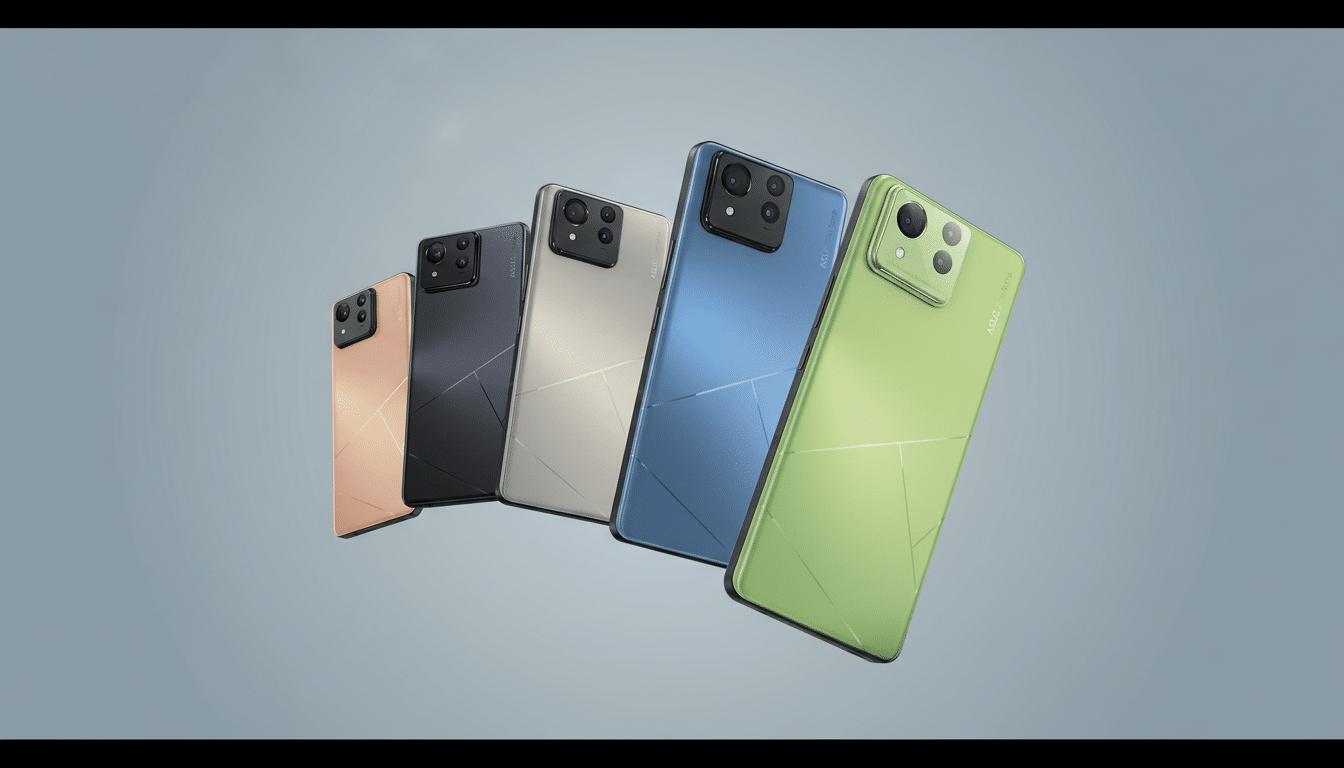
The company’s latest shift toward a plus-sized “Ultra” strategy, and the absence of a fresh compact model, sends the clearest signal yet. The market reality caught up with the best small-phone idea in years, and the business calculus no longer favors a niche flagship built for a minority of buyers.
Why Compact Phones Struggle With Power, Price, And Demand
There’s no single culprit, but battery physics and economics top the list. Smaller chassis limit battery capacity and thermal headroom; premium chipsets have grown faster and more capable, yet they still generate heat and hunger that compact frames struggle to dissipate. The end result has often been good-but-not-great endurance, which is a hard sell next to 6.1- to 6.8-inch flagships that cruise through a full day.
Then there’s pricing power. Component costs don’t shrink with the phone, and negotiating leverage belongs to brands moving tens of millions of units. According to analyst firms like IDC and Canalys, average display sizes now hover around the mid-6-inch range, and that’s where the volumes sit. Carriers and retailers prioritize those high-volume SKUs, making a compact flagship an uphill battle for shelf space and promotion.
Consumer signals haven’t helped. Market research from CIRP has repeatedly shown iPhone mini models accounted for only a single-digit slice of Apple’s sales, despite aggressive pricing and Apple’s marketing muscle. Samsung’s last mainstream compact flagship attempt dates back several generations, and Sony’s Xperia Compact line bowed out after admirable but modest global traction. In short, the buyers most vocal about small phones haven’t translated into sustainable sales.
The Market Moved While The Niche Stayed Small
Foldables now fill some of the “carry less, do more” promise once aimed at compacts. Clamshell designs collapse into genuinely pocketable shapes, and the latest hinges and crease management are markedly better. Yet even with growth, foldables remain a sliver of the market—Counterpoint Research pegs their share at roughly the low-single digits—and durability concerns, repair costs, and premium pricing leave them as a separate proposition, not a direct compact replacement.

Meanwhile, mainstream phones get thinner, lighter, and more efficient, blunting the ergonomic argument for small flagships. A 6.1-inch device today often weighs less than big models from a few years ago, with brighter screens and bigger batteries. For many shoppers, that’s “compact enough.”
What A Modern Compact Could Be In Today’s Market
The irony is that technology now exists to make compact flagships more feasible than ever. Silicon-carbon and stacked cell designs can squeeze extra watt-hours into the same volume. Mid-flagship chipsets like Snapdragon 8s Gen 3 or Dimensity 8300 offer near-flagship performance with lower thermal output. Smarter on-device AI can reduce screen-time friction through reliable voice and context-aware shortcuts, shrinking the need for sprawling displays.
Asus already nailed much of that formula: tactile finishes with real grip, playful colorways that stood out, and a software layer that rewarded single-handed mastery. A new entry with a 5.9- to 6.0-inch OLED, a 4,500mAh-class battery using denser chemistry, efficient silicon, and long-term software support could hit a sweet spot. But building it at scale—and convincing carriers and retailers to back it—remains the stumbling block.
A Niche Without A Champion As Big Brands Step Back
Without Asus in the fight, who steps in? Apple moved on from mini. Samsung’s smallest mainstream models start at 6.1 inches. Niche players can experiment, but history shows limited reach without broad channel support and multi-year update commitments. Even for companies eager to differentiate, the risk-reward math favors big screens with big addressable markets.
That leaves compact diehards in limbo, clinging to aging handsets or compromising on size. The blueprint for a brilliant small phone exists, yet today’s risk-averse industry is unlikely to fund it. For now, the most promising champion of the compact flagship has left the arena—and with it, our best shot at the next great small phone.
