


A fresh set of James Webb Space Telescope measurements has settled it: Asteroid 2024 YR4 will not slam into the moon. The space rock’s refined path shows a clean miss by roughly 13,200 miles, enough clearance that no lunar orbiters or future missions face any knock-on risk. It’s a clear win for planetary defense—and a genuine loss for science.
For weeks, astronomers had kept an eye on a lingering, low-probability scenario that 2024 YR4—about 200 feet across—might strike the lunar surface. New Webb data, cross-checked with ultra-precise star maps from the European Space Agency’s Gaia mission, shrank the orbit uncertainty and closed the lunar-impact door. NASA’s Center for Near-Earth Object Studies and ESA officials framed the outcome as expected but still important: the moon is safe, and the tracking systems worked exactly as designed.
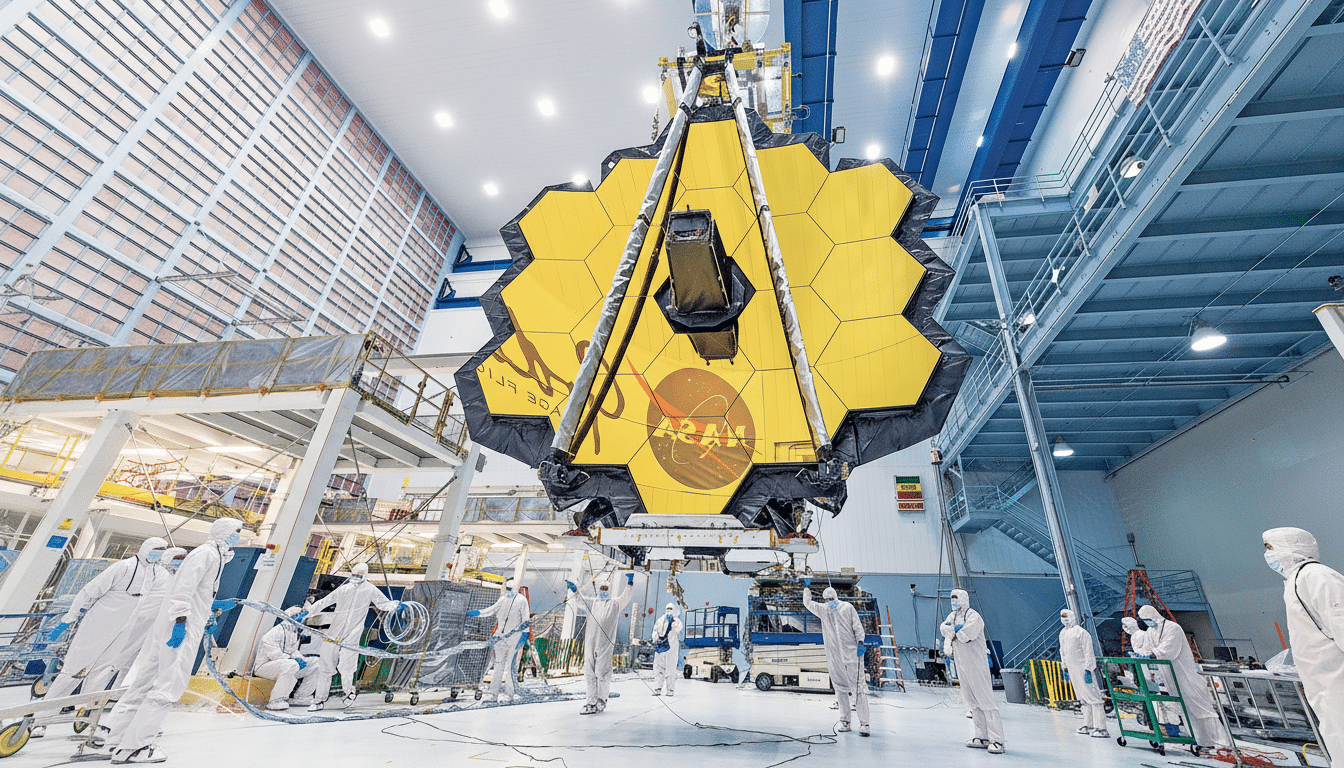
Why The Miss Is Good News For Planetary Defense
First, hazard clarity. Early estimates had placed a small chance that 2024 YR4 could threaten Earth before follow-up ruled that out; later, there was about a 4% possibility of a lunar hit. Those numbers were always provisional, contingent on new data. The latest observations cut the remaining ambiguity, demonstrating how fast coordinated teams can tighten an asteroid’s trajectory years before a close pass.
Second, capability proof. Webb’s infrared eyes usually chase galaxies, not faint, fast-moving near-Earth objects, and its field of view is tiny. Hitting two narrow observing windows required precise predictions. Matching 2024 YR4’s position against Gaia’s pinpoint stellar grid turned a difficult target into a solved orbit. That is exactly the kind of cross-mission choreography planetary defense planners want to normalize.
Third, continuity. The result feeds into long-running risk catalogs managed by NASA’s CNEOS Sentry system and international partners, reducing false alarms and sharpening priorities. It also shows how follow-up assets—ground-based surveys, space telescopes, and specialized tools—can work as a stack. The discovery pipeline that flagged 2024 YR4, including the ATLAS observatory in Chile, is doing what it was built to do: find, refine, and, when warranted, retire risks.
The Scientific Shot We Lost With 2024 YR4’s Lunar Miss
Here’s the downside: a missed natural experiment. A known impact by a ~60-meter asteroid would have been a goldmine for testing crater physics on an airless world. Telescopes could have captured the flash, timed the plume, and mapped the evolving debris cloud. The Lunar Reconnaissance Orbiter could have imaged a fresh crater—likely tens to a few hundred meters wide—within days, then revisited it to study how the surface ages.
Such a dataset would calibrate the models used to estimate asteroid impact energy, ejecta travel, and crater growth, all of which feed hazard predictions for Earth. It would also inform how regolith compaction, target layering, and impact angle shape the blast. Even better, a new generation of lunar seismometers planned by future missions could have recorded the shock waves, giving a rare peek beneath the moon’s crust and validating impact-seismic scaling laws.
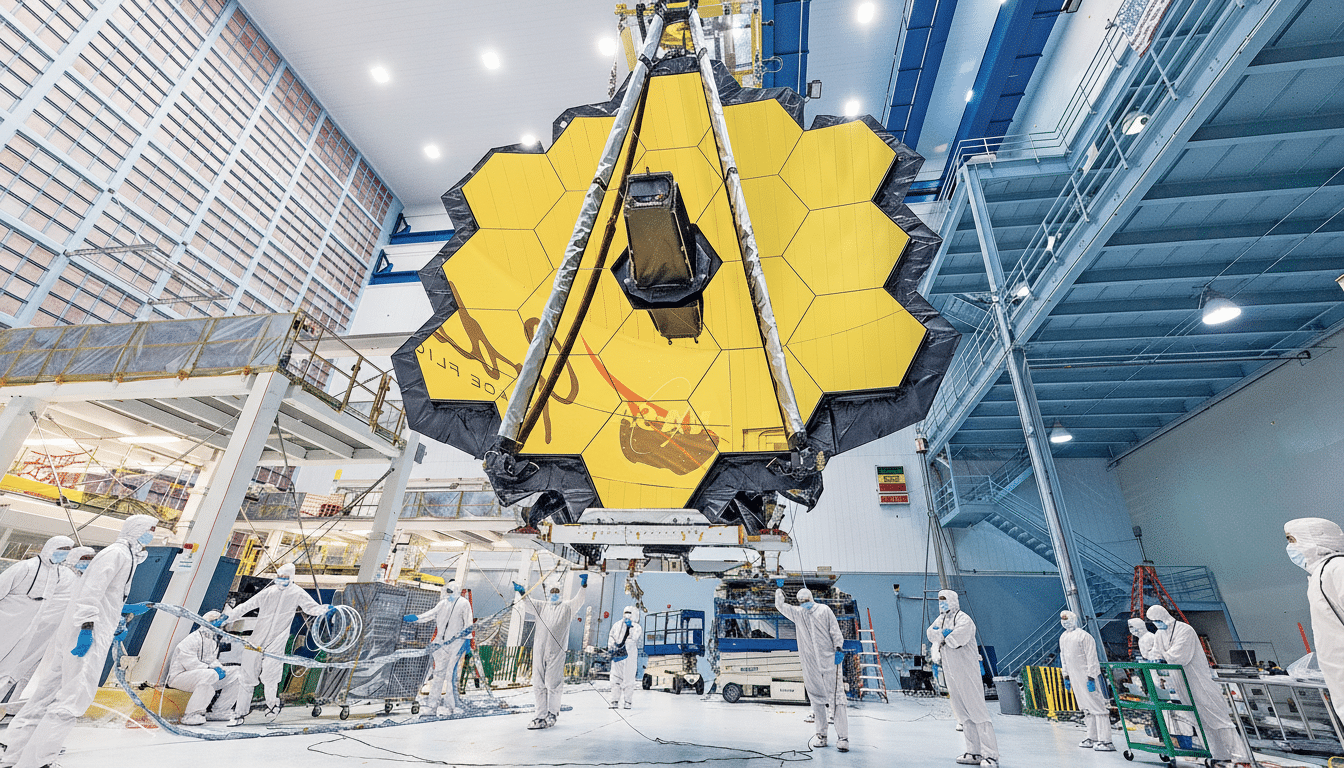
Scientists sometimes compare these opportunities with controlled tests like NASA’s DART mission, which deliberately struck the small moonlet Dimorphos and shortened its orbital period by measurable minutes. A serendipitous lunar impact by 2024 YR4 would have complemented that result: not a lab experiment, but a well-characterized, real-world strike on a body we can study up close.
How Astronomers Nailed the Trajectory With Webb and Gaia
After its initial detection by ATLAS, 2024 YR4 faded enough that most telescopes struggled to reacquire it. Webb offered a rare chance: even at long wavelengths and low brightness, it can pick out small moving targets—if observers know exactly where to point. Teams identified two brief windows when geometry, brightness, and spacecraft pointing could line up.
During those windows, astronomers measured the asteroid’s position against Gaia’s star catalog, which anchors the celestial reference frame with microarcsecond precision. That allowed them to shave down orbit uncertainties and project a safe lunar flyby at roughly 21,000 kilometers from the surface. The technique is becoming a template: combine wide-field surveys to find objects, then call in heavy hitters to lock the orbit.
What Comes Next For 2024 YR4 And The Moon
Expect more opportunistic observations during future apparitions as the asteroid brightens again. Each new data point refines the orbital solution and helps benchmark system performance. Upcoming assets—NASA’s NEO Surveyor, the Vera C. Rubin Observatory’s wide-field survey, and continued tracking by CNEOS and ESA’s Near-Earth Object Coordination Centre—will expand both discovery and characterization.
On the lunar side, researchers are already preparing playbooks for the next sizable, well-tracked impactor. Rapid-response imaging by Lunar Reconnaissance Orbiter, coordinated ground-based monitoring, and, eventually, seismic recordings from future surface stations could turn a routine collision into a high-value experiment. The goal is straightforward: translate rocks hitting the moon into better forecasts, better models, and better decisions here on Earth.
So yes, 2024 YR4’s miss is reassuring. It proves the network works. But it also reminds us that science thrives on well-timed surprises—and the next one is worth being ready for.

